These sessions, open to all citizens, aim to create a space for reflection on current energy consumption and demands in the Terres de l'Ebre. The initiative seeks to analyze the state of energy transition and the imminent publication of the Sectoral Territorial Plan for the Development of Renewable Energies in Catalonia (Plater).
The first session, scheduled for April 9, will focus on contextualizing the energy transition and presenting the quotas and zoning that the Plater foresees for the implementation of renewable energies in Terra Alta. This meeting will open a crucial debate on the desired energy model for the region.
Subsequent sessions, on April 16 and 22, will feature experts in urban planning and legal regulations. These professionals will address topics such as energy sovereignty and territorial balance, fostering discussion with attendees.
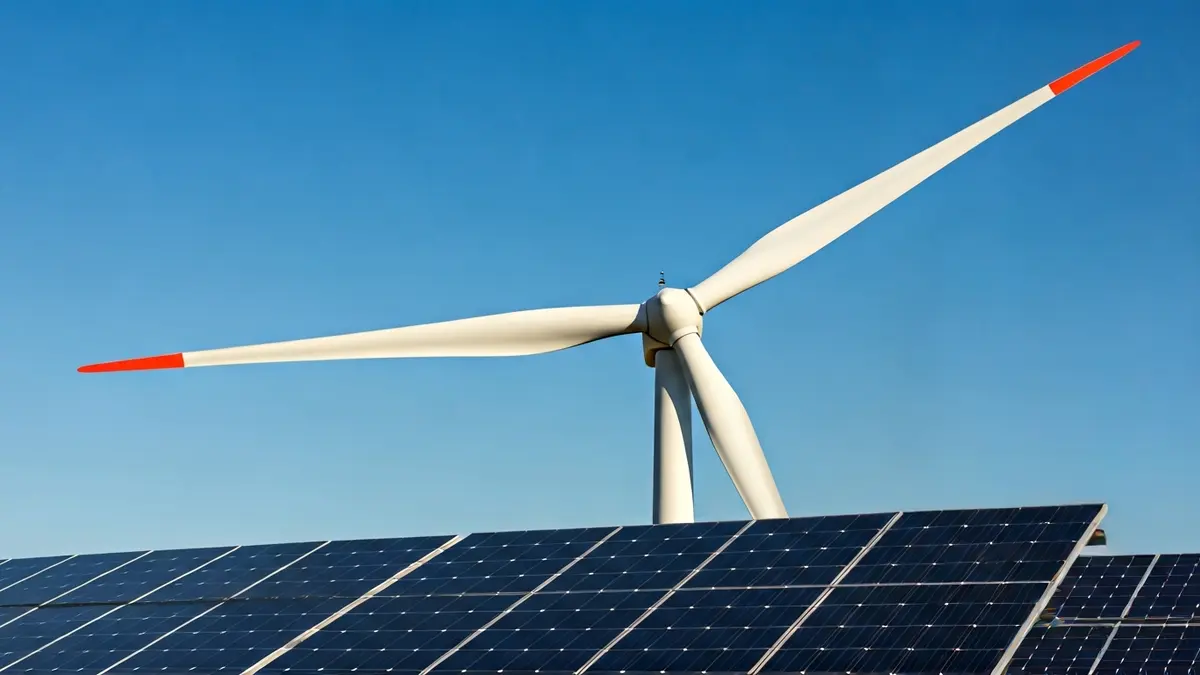
The municipalities of Batea, Vilalba dels Arcs, and Gandesa have been selected as conference venues due to their high assigned quota of megawatts to be installed, particularly in solar and wind energy. In this context, the Department of Territory, Housing and Ecological Transition has made available a provisional viewer of zoning for terrestrial photovoltaic and wind installations, allowing municipalities to analyze results and prepare allegations.
The public information period for the Plater will begin shortly with an extraordinary duration of three months, with the aim of adjusting the plan to the territorial reality. Active participation from citizens and local councils is considered fundamental to defining the region's future in the energy transition.