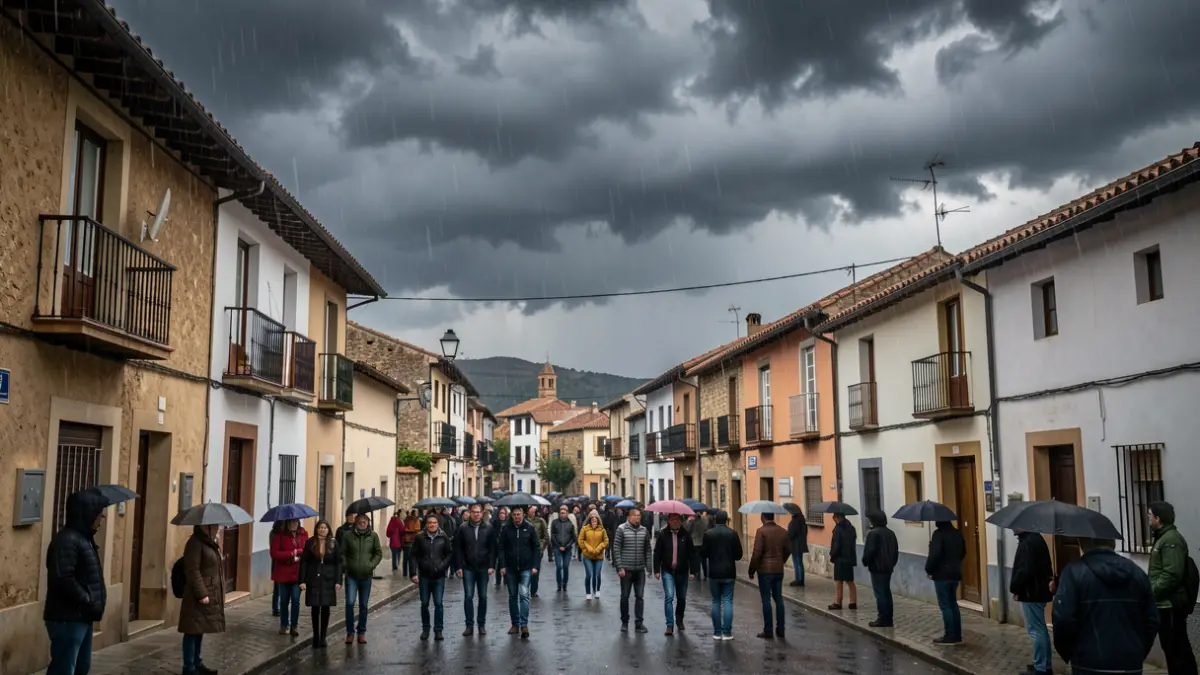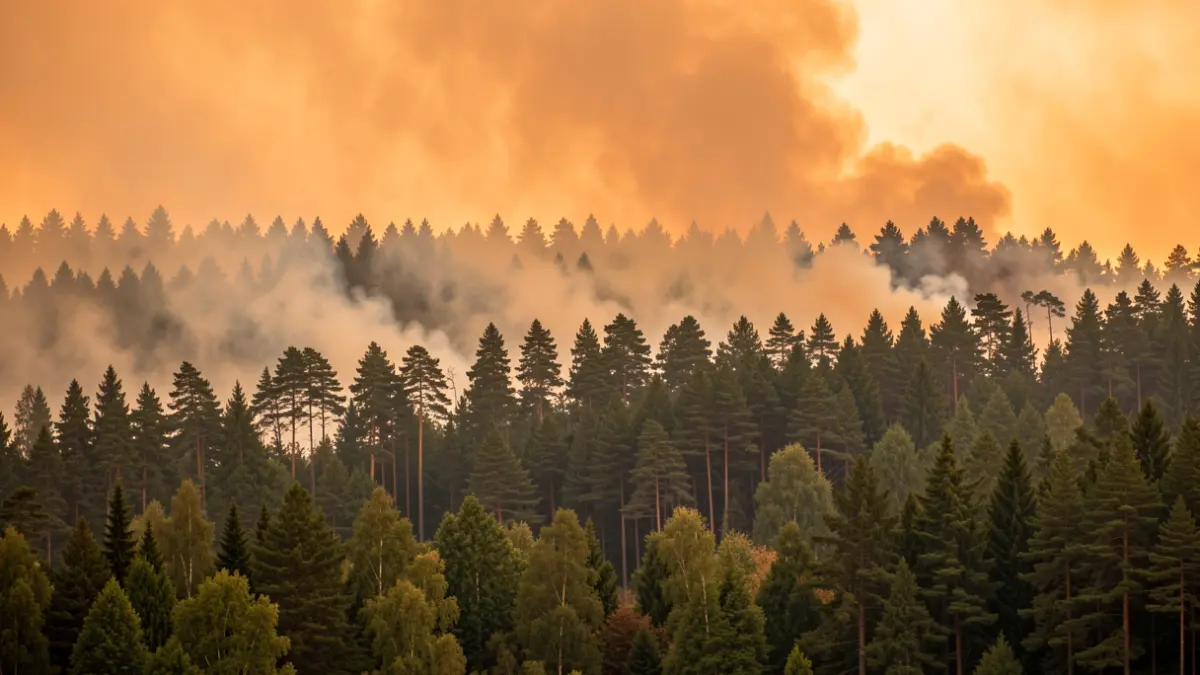
The Generalitat firefighters have ordered 40 population confinements across about thirty wildfires so far this summer, affecting at least 140,000 residents in total. According to the fire department, confinement is "the most efficient and rapid" self-protection measure during a fire, and less risky than evacuation. "Inside your home, you will always be safer than outside," explains inspector Miquel López, noting that this strategy has gained more attention this year due to the simultaneity of fires.
In the first month and a half of the campaign, entire municipalities, neighborhoods, urbanizations, campsites, industrial estates, and isolated farmhouses have been confined. The fire that started in Carme (Anoia) was the one that forced the most people to confine, 33,000. The one in Tiana (Maresme), which began on June 26, confined 30,000, and the one in Guimerà (Urgell) affected 21,000, including residents of Tàrrega. The fire in Les Gavarres, which has burned the most hectares, forced the confinement of over 17,000 residents.
Inspector Miquel López emphasizes the importance of making decisions "quickly" and preventing people from being "halfway between an evacuation and their home," as this is where historically most incidents and deaths have occurred. "When planned, evacuation is obviously the safest, but confinement is the most efficient and can be done most quickly," he adds.
Protecció Civil (Civil Protection) observes a change in the timing of confinements, now "at the beginning of fires," due to the increasing speed and intensity of the blazes. The agency's deputy director, Sergio Delgado, compares this strategy to that of a chemical accident, "when the impact is immediate," to anticipate the fire's potential.
The ES-Alert messaging system on mobile phones has improved immediacy, although it has coverage limitations and is not always suitable for very small communities or scattered houses. In such cases, municipalities or firefighters communicate the order directly.
Regarding compliance, firefighters assure that the public "behaves well," despite the anxiety. It is recommended to "prepare" homes and surroundings by closing openings and removing combustible materials from the exterior.
Firefighters admit the "difficulty" of protecting dispersed urbanizations and isolated farmhouses, where the conditions for ensuring safety are worse than in urban centers or "compact" urbanizations. They call for more prevention and environmental awareness from residents.
The number of confinements this year is higher than last year, partly due to the increase in fires. By mid-July, firefighters have recorded over a thousand fires involving vegetation, compared to 800 last year. The Department of Agriculture registered 242 significant fires between June 1 and July 19, the highest figure since 2011.
4,387 hectares have been burned in the first month and a half of the campaign, half of last year's figure (8,569). Inspector López attributes the numbers this year to the prolonged period of high temperatures and southerly winds, which have caused the moisture accumulated during the rainy spring to be lost, leaving the vegetation "stressed, losing leaves, ready to burn."
A "country-wide strategy" is called for to prevent the collapse of the fire management structure. The 2024 Infocat plan grants firefighters the "power" to determine which areas to confine in case of fire, streamlining a system that has already been applied about forty times this summer.