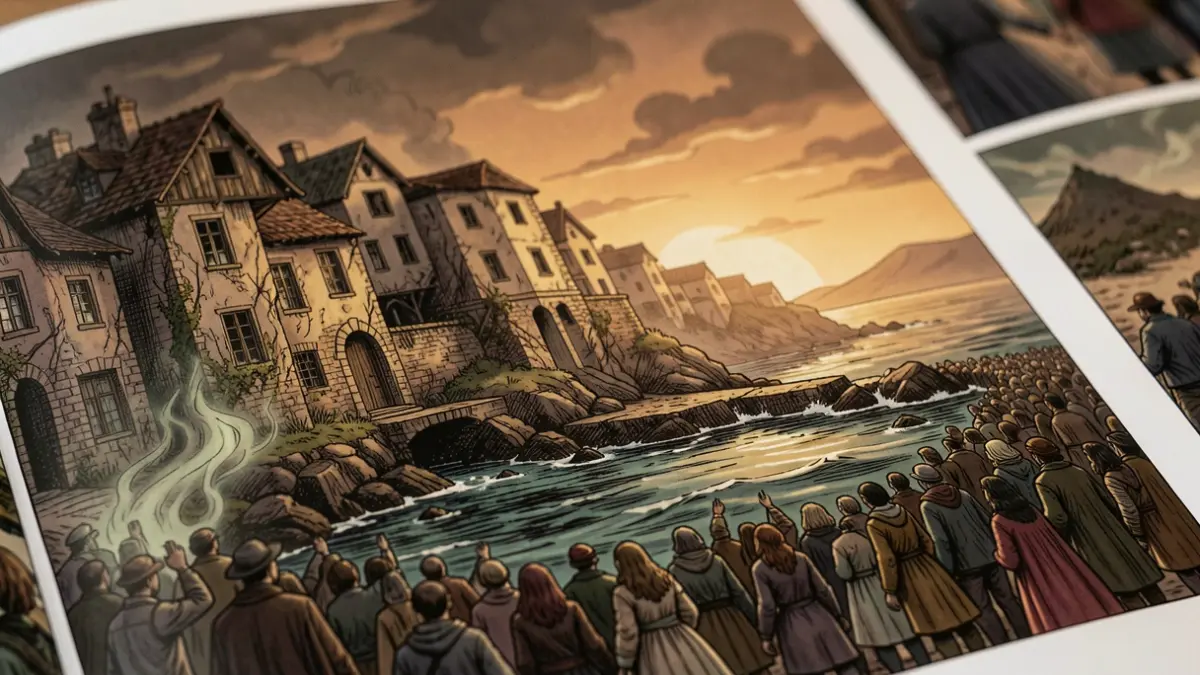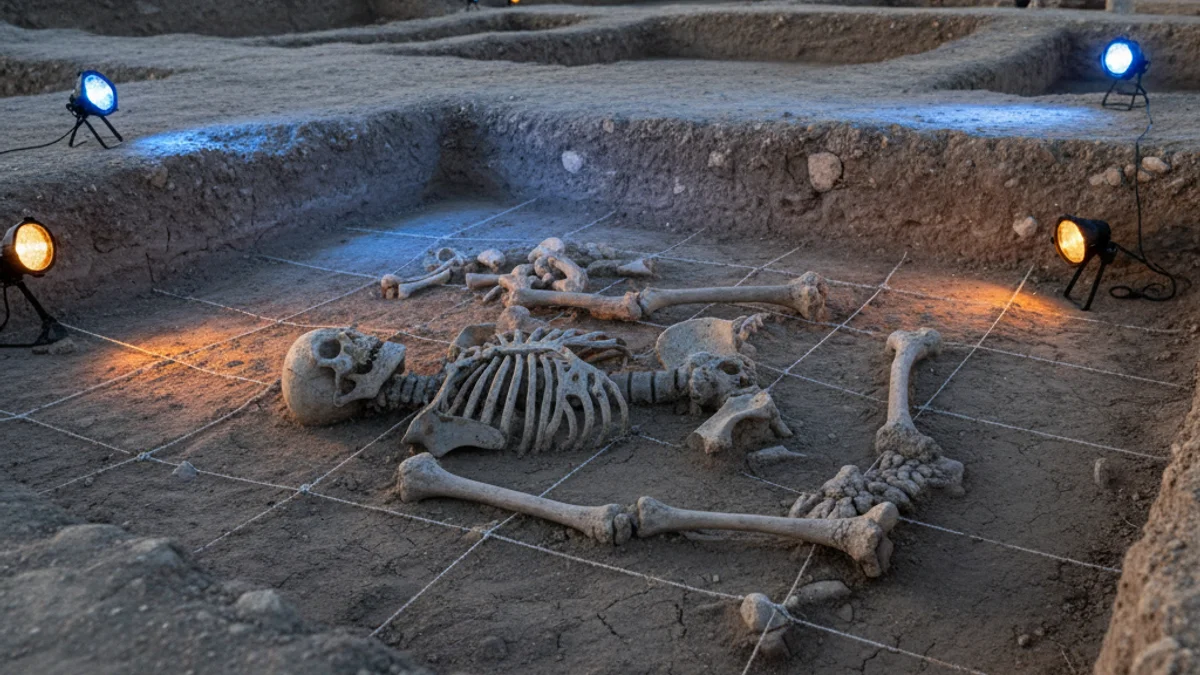
The study, led by Dr. Cristina Santos and published in the journal Genes, examined the DNA of sixteen individuals killed during the 1348 pogrom. Findings indicate a primary ancestry linked to Ancient Levant populations, combined with local Iberian genetic contributions resulting from centuries of coexistence in Catalonia.
The analysis confirms that while the community maintained a distinct biological identity connected to the Middle East, they were well-integrated into the local society. The lack of direct family ties among the victims supports the historical records of a sudden, catastrophic massacre in the Urgell region.
Coordinated by the Museum Tàrrega Urgell, this research sets a new European standard for using cutting-edge genomic technology to study ancient Jewish diaspora communities and preserve historical heritage.