The Lleida region is confronting a critical situation regarding water availability, with a projected decrease in the flow of the Segre and Nogueres rivers. This reduction will occur concurrently with an increase in demand, primarily driven by higher plant evapotranspiration due to rising temperatures.
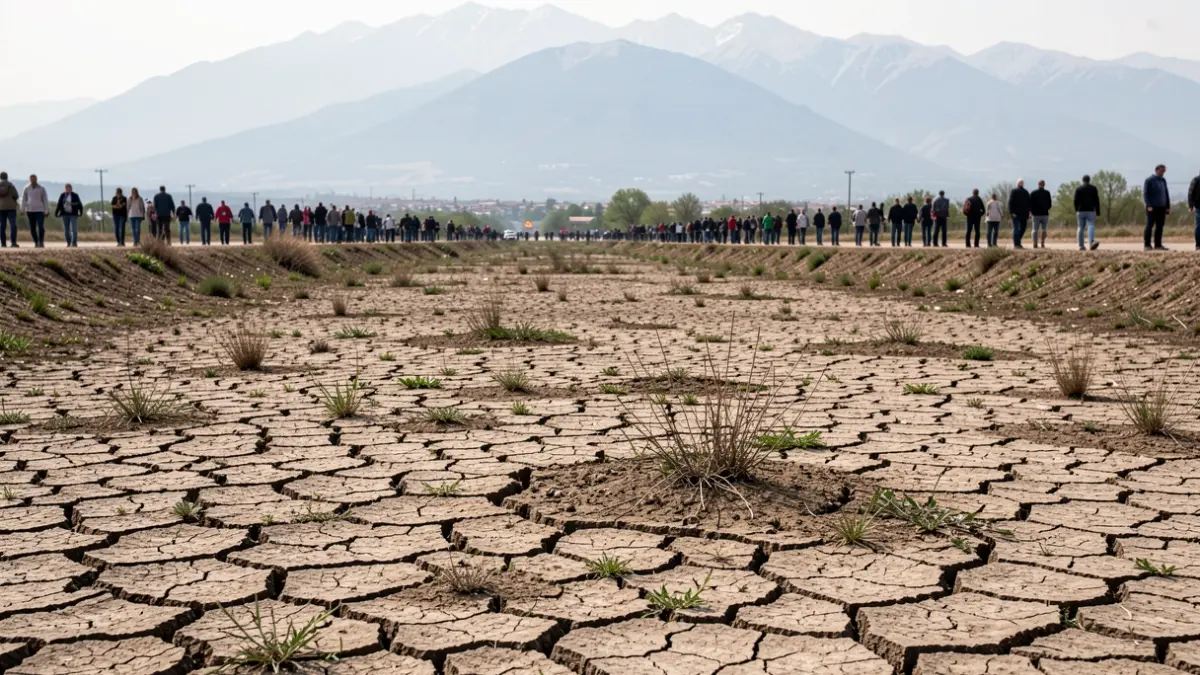
According to studies included in the updated Drought Plan by the CHE, a higher frequency of drought episodes, lasting from two to five years, is anticipated. Projections indicate a temperature increase of up to 5.5 degrees Celsius by the end of the century, accompanied by more frequent extreme heatwaves. This will impact increasingly vulnerable water systems due to diminishing soil moisture, reduced aquifer recharge, lower surface runoff, and declining circulating flows.
The document warns that prolonged droughts will become more common from 2040 onwards. The Segre and Pallaresa basins could experience a runoff reduction of between 7.04% and 14.12%, while the Ribagorçana and Éssera basins might see a decrease of 7.36% to 16.16% over the century. In the short to medium term, estimated reductions range from 3.06% to 8.9% for the current decade and the next.
Miguel Ángel García Vera, head of the CHE's Planning Office, emphasized the necessity for all users to become aware of this situation and develop contingency plans. The projected reduction in water supply and the increased frequency of extreme events like floods and droughts require adaptation to better utilize available water resources.
The plan proposes measures such as harmonizing the management of the Segre and Pallaresa rivers to allow irrigation of 25,000 hectares out of the 70,000 in the Canal d'Urgell from the Main and Auxiliary Canals. In emergency situations, it is planned to mobilize the 91 cubic hectometers of water stored for hydroelectric use in the Pallaresa, thereby ensuring a reserve for supply in Rialb.