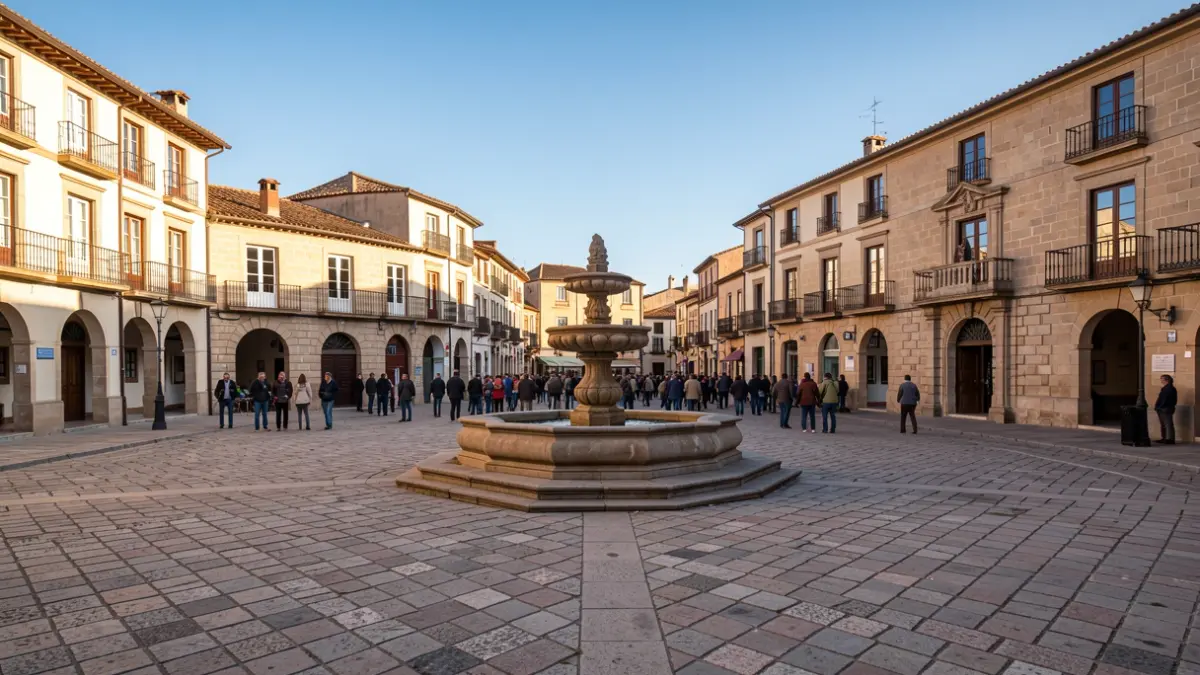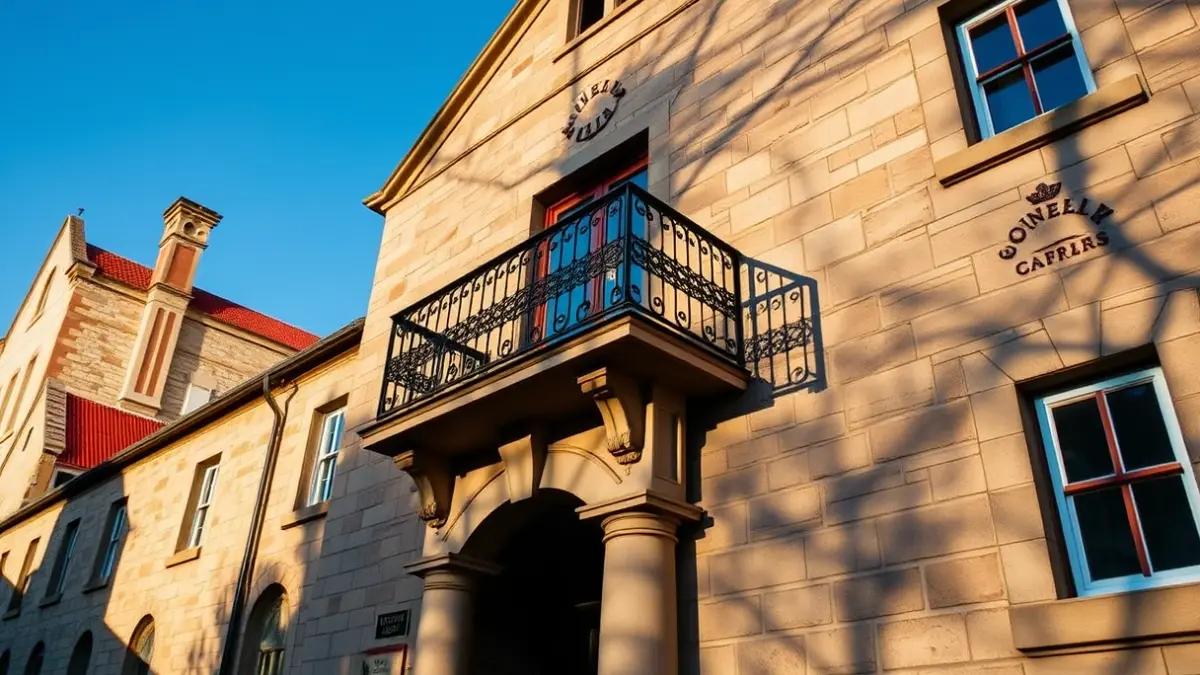
This award represents a fundamental step for the consolidation of La Seu d'Urgell as a benchmark in agri-food innovation. The comprehensive rehabilitation project for the property, located at Sant Just street, number 2, has been entrusted to the UTE formed by RAVETLLAT ARQUITECTURA and ANIMA ARQUITECTURA CONSTRUCCIÓN, with a cost of €151,764.25 (VAT included).
IRTA Pirineu already began its activities last February from a provisional location at the Casa dels Parcs de l'Alt Pirineu. With this new definitive headquarters in Ca l'Armenter, the center's presence in the city is reinforced, as is its commitment to research and technological transfer in the mountain agri-food sector.
“"The rehabilitation of Ca l'Armenter has a dual objective: on the one hand, to provide the city with a modern infrastructure that combines respect for architectural heritage with the technical needs of a high-level research center, and on the other, to bring life and economic activity to the historic center of our city."
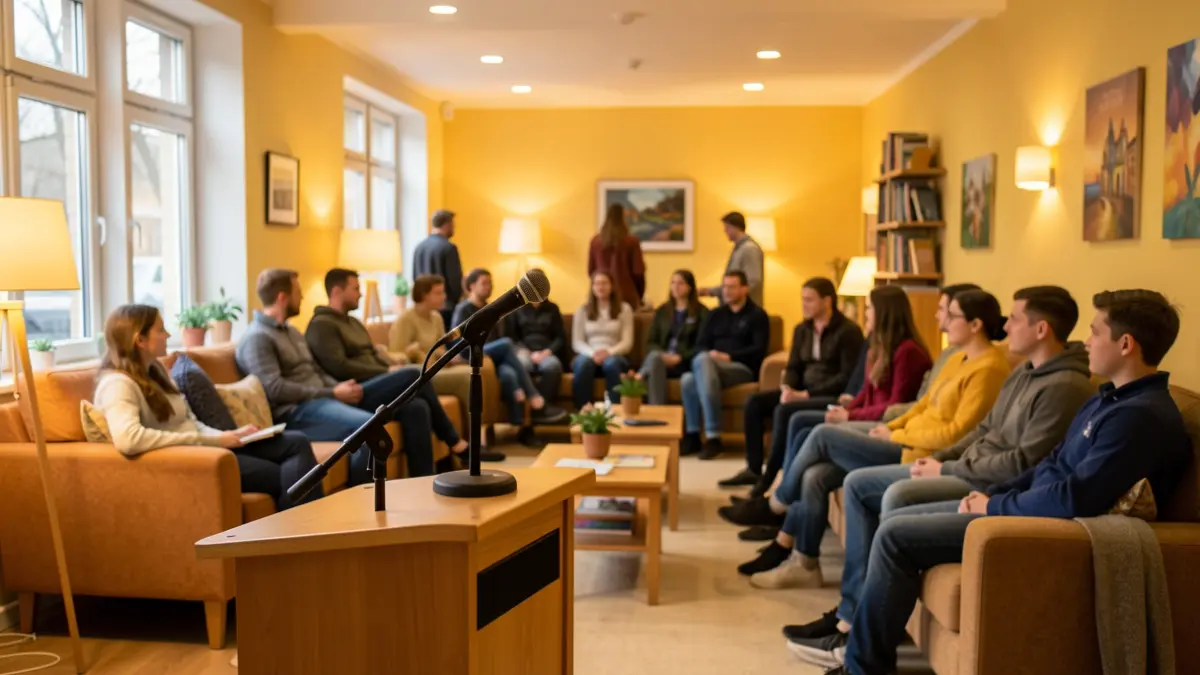
This space is designed to be a meeting and collaboration point, where local institutions, the productive sector, and social entities can interact. The goal is to transform the territory's needs into concrete R&D&i projects, technological transfer, training, and advice, promoting the economic, environmental, and social progress of the Pyrenean valleys.
IRTA Pirineu focuses on key challenges for mountain areas, such as the resilience of agricultural activity, food self-sufficiency, generational replacement, and agroforestry bioeconomy. Its activities include strengthening agri-food value chains, innovation and digitalization for climate change adaptation, generating opportunities for young people, and transversal management covering everything from sustainable pasture and forest management to the valorization of local products and animal welfare.