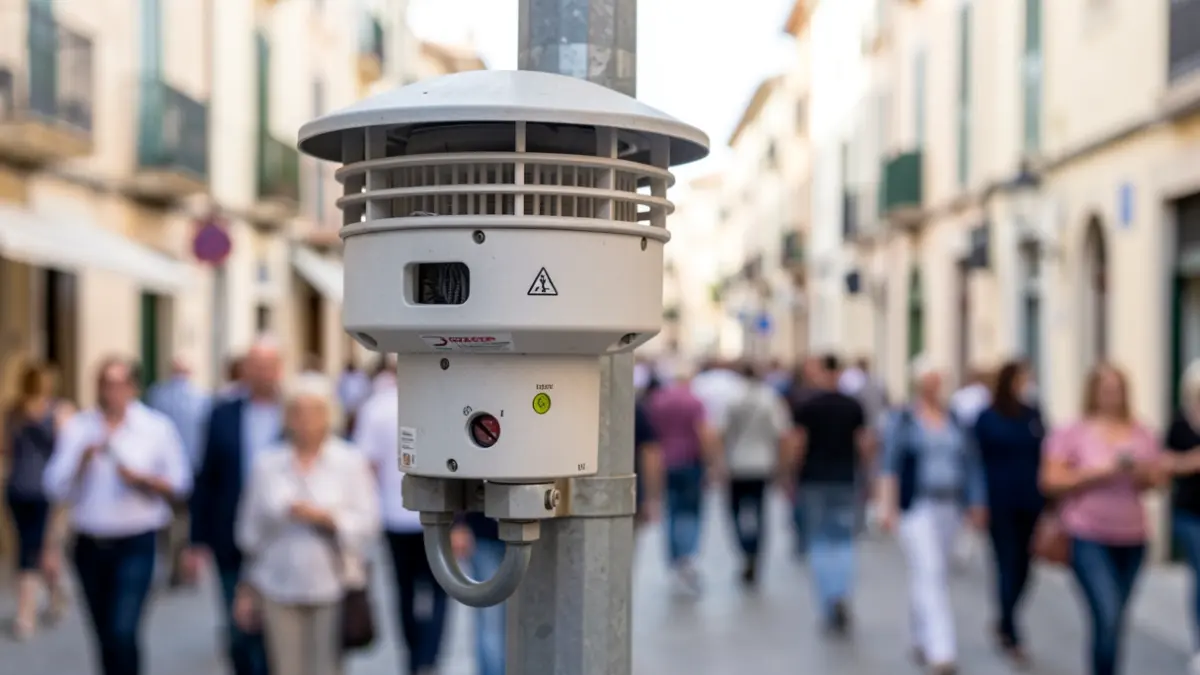
According to data collected by the Generalitat de Catalunya reference station located at Rambleta del Pare Alegre, the concentration of nitrogen dioxide (NO2) particles has decreased by 46.8% over the last ten years. While 47 micrograms per cubic meter were recorded in 2015, 2025 data place the figure at 25 micrograms per cubic meter.
These figures place the municipality within the regulatory limits currently established by the European Union, set at 40 micrograms per cubic meter. However, the local government is already working towards the new European targets for 2030, which will lower the limit to 20 micrograms per cubic meter, a figure close to the WHO recommendation of 10 micrograms per cubic meter.
The local administration attributes this positive trend to the implementation of various mobility and sustainability measures. Key actions include the introduction of the Low Emission Zone, the creation of pedestrian areas, traffic calming, and the progressive electrification of the bus fleet and municipal vehicles.
Looking ahead, the city council has announced the drafting of a new strategic plan with a 2031 horizon. The goal is to consolidate effective policies and continue encouraging behavioral changes among citizens to ensure a continuous improvement in urban quality of life.