The council has submitted the program's candidacy for the second call of the Pla de barris i viles (Neighborhoods and Towns Plan) by the Generalitat de Catalunya, an initiative aimed at reducing territorial and social inequalities. The project, set to span the next five years, is part of the municipal mandate's commitments.
Securing funding from the Generalitat would accelerate and strengthen the plan, but its development is not contingent upon it. The City Council is committed to executing the program regardless of the call's resolution, expected in October.
The program is structured around three main pillars: urban transformation (18.7 million euros), ecological transition (1.3 million euros), and socio-community action (1.5 million euros). It combines interventions on public spaces and housing with measures to enhance social cohesion, environmental sustainability, and the neighborhood's educational and employment opportunities.
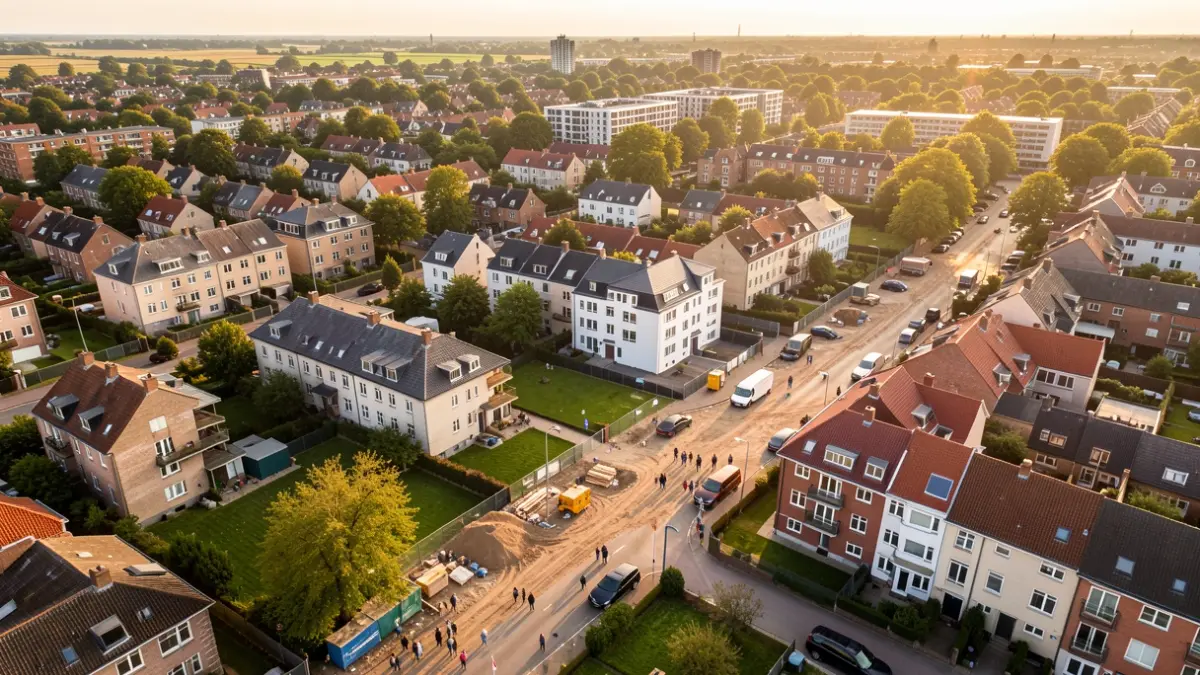
Planned actions include the renovation of squares and streets to make them more accessible, housing rehabilitation, and improvements in energy efficiency. In the ecological sphere, the program aims to expand green spaces, promote climate change adaptation measures, and foster a circular economy. For socio-community action, initiatives to strengthen coexistence, promote equal opportunities, boost educational, cultural, and community health programs, and facilitate job placement are included.
The proposal stems from a technical and participatory diagnosis identifying key neighborhood challenges, such as an aging housing stock, the need for public space renewal, climate change adaptation, social cohesion, mobility, and economic revitalization.
In September, an open day will be held in the Les Torres neighborhood to present the program's content to residents. The mayor, Ana María Martínez Martínez, emphasized that the program represents "a determined commitment to Les Torres and the entire city," and that the council's dedication remains intact regardless of external funding.