The underlying social unrest, exacerbated by the defeat of the labor movement in the 1902 General Strike, found its immediate trigger in the government’s call for reservists to fight in the colonial war in Morocco. This deep-seated discontent was noted even by conservative figures like the poet Joan Maragall, who wrote the article La ciutat del perdó demanding clemency for Ferrer i Guàrdia.
The strike began on Monday, July 26, 1909, with a complete shutdown of factories and workshops in Sabadell. Following a large rally in the Plaça del Vallès, led by unionists Josep Claramunt and Magí Marcé, strikers moved to the Estació del Nord to sabotage the railway lines and prevent troop movements. Prominent conservative figures, including Ramon Picart and the priest Fèlix Sardà i Salvany, fled the city disguised.
The most violent day was July 27. After clashes with the local police near the Ajuntament, revolutionaries, some already armed, assaulted the armory and returned to the City Hall, setting fire to the lower floor dependencies. The fighting resulted in the deaths of court secretary Josep Ruiz, bailiff Bernabé Serrano, and revolutionary Joan Bosch. A popular assembly later proclaimed the Federal Social Republic from the City Hall balcony.
“"The workers, exacerbated by so much dialectic and so much misery, went on to practice militant atheism."
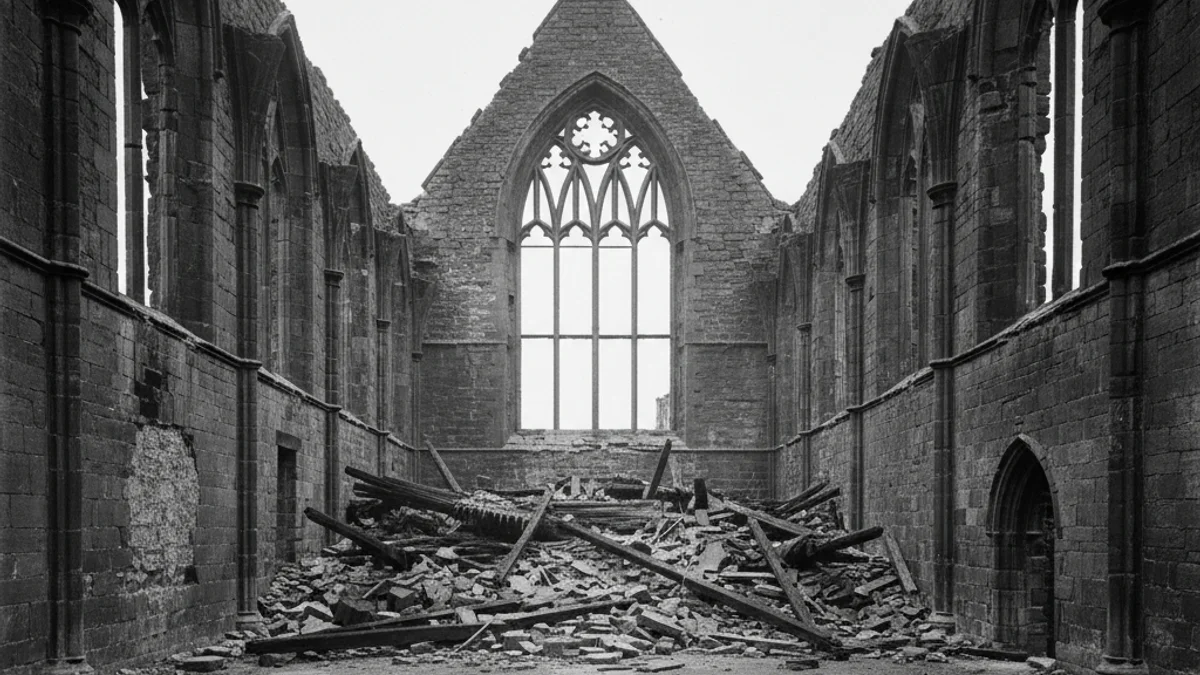
The anticlerical fervor culminated in the total destruction of the Archpriestal Church of Sant Fèlix. Radicals, known as “la colla del petroli” (the oil gang), doused the interior with petroleum, causing the church to burn completely. Artworks, relics, and the tomb of Bishop Charles de la Cropte de Chanterat were destroyed or profaned. The revolt was crushed when military forces led by General Manuel Bonet arrived on Saturday, July 31.
In the aftermath, the Junta Constructora was formed, composed largely of the city's textile manufacturers, including Enric Turull Comadran and Jaume Gorina Pujol. They financed the reconstruction of the temple, designed by architect Enric Sagnier Villavechia, and also contributed funds for the new Guàrdia Civil barracks. The new, larger Neo-Gothic church was solemnly inaugurated on May 8, 1921, and later hosted a royal visit by Alfonso XIII and Victoria Eugenia in May 1924.