Aiming to address the growing vulnerability to forest fires, exacerbated by months of drought and record temperatures, Terrassa is preparing to strengthen its safety. The new safety line will act as a defensive barrier between residential neighborhoods and the forest mass of the Green Belt.
The project, promoted by the Civil Protection Service, involves clearing undergrowth and pruning trees across 57.5 hectares of rural land. According to Security Councilor Ruth Hibernón, the work is expected to begin in September and continue until December. This measure will allow firefighting teams to "gain precious time" and operate more safely in emergencies, adding to the over 136 hectares of existing strips in the municipality.
The tender, amounting to 124,597.16 euros and partially funded by the Provincial Council of Barcelona, will be carried out by a single company to ensure technical consistency along the entire perimeter.
“"Low-combustibility strips are a good idea to stop fires, and they work. The moment we have to authorize the City Council to work on our land to open it, we will do so without hesitation; it would be irresponsible not to."
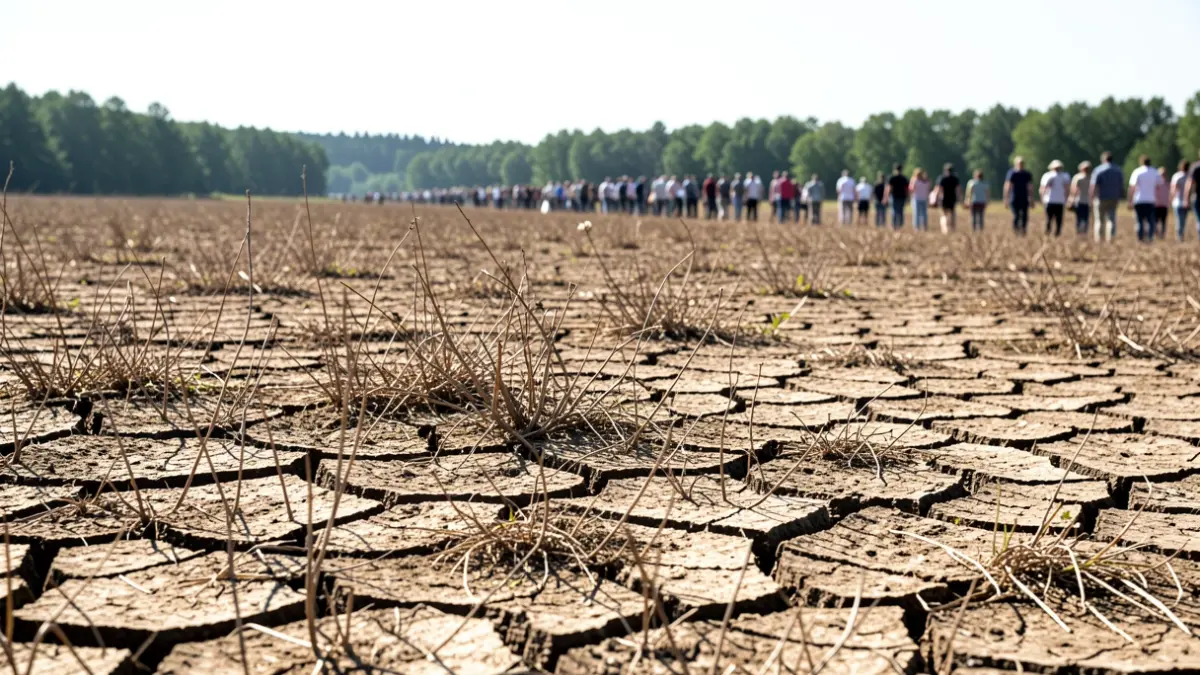
Owners of affected properties, such as Eloi Carbonell, representative of the Association of Agricultural Owners, support the initiative and will facilitate the passage of machinery. Carbonell describes a "very worrying" forest situation in the Green Belt, marked by prolonged drought and water stress, compounded by pressure from wild boars on crops.
Carbonell emphasizes that while the municipal strip is a necessary tool, long-term forest management is key to preventing fires. "Management doesn't make money, it costs money," he notes, calling for a technical plan with public investment to maintain the forest, highlighting the benefits for biodiversity, water retention, and drastic reduction of fire risk.