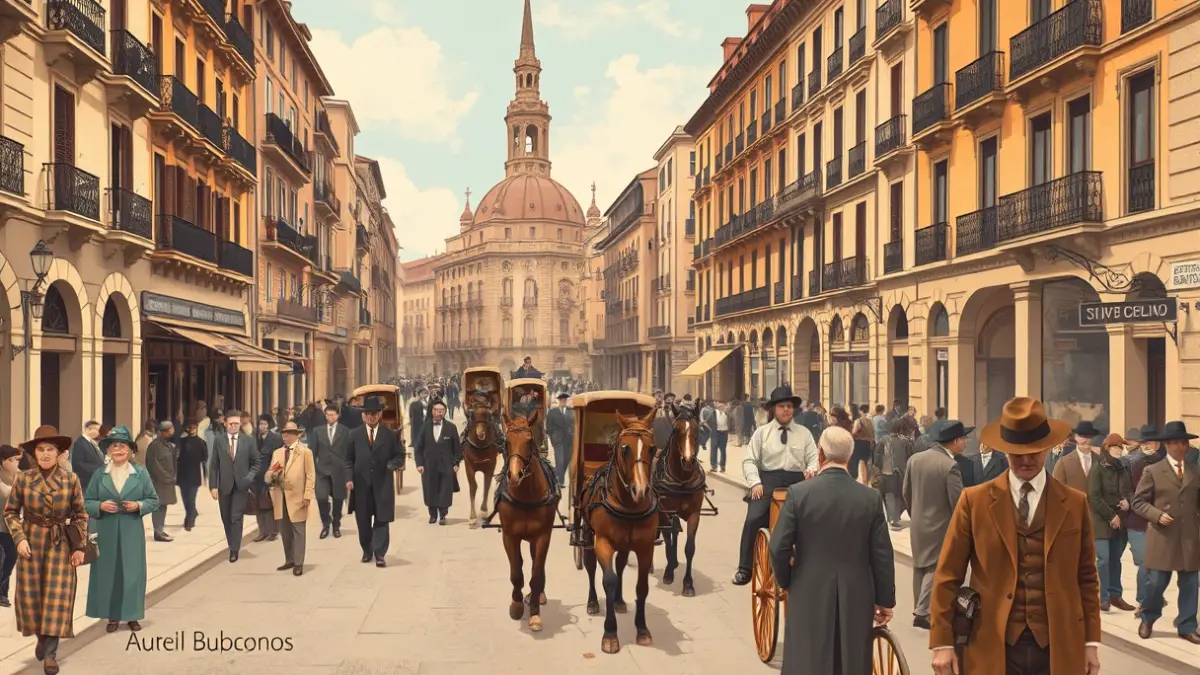
The modernist Terrassa of the early 20th century, with its architectural splendor, is often an object of nostalgia. But what would happen if one of its great creators, the architect Lluís Muncunill, suddenly found himself in today's digital Terrassa? This is the premise of an imaginative exercise that explores the cultural and technological clash.
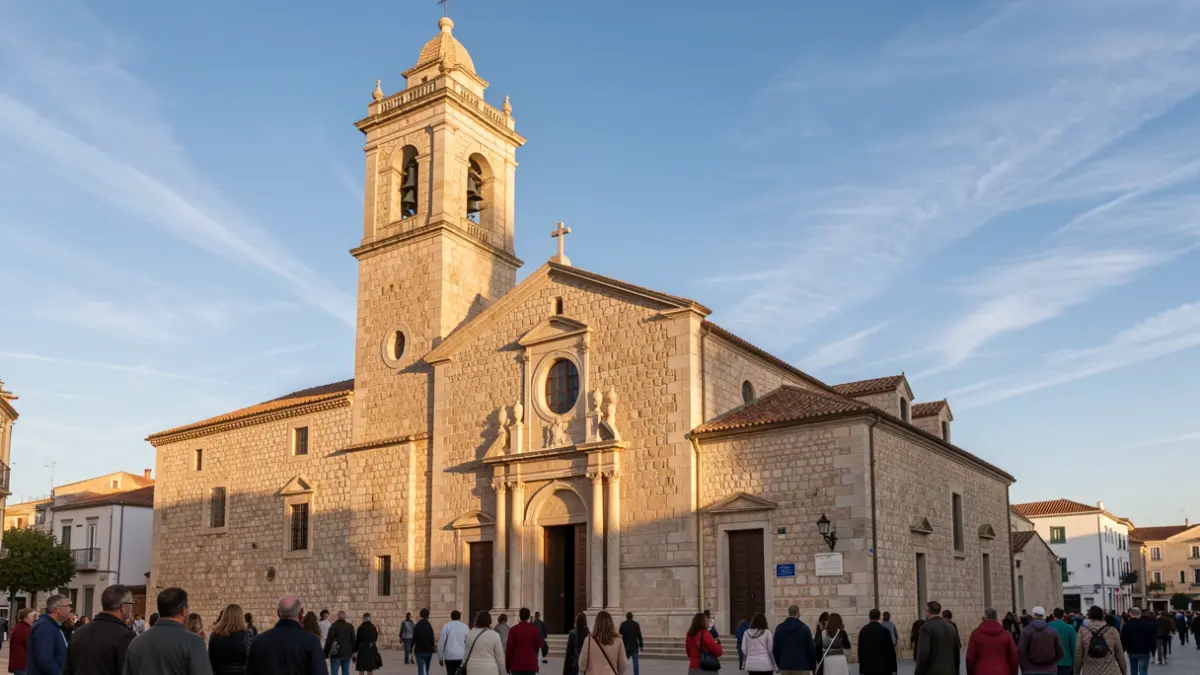
For Muncunill, seeing his works like the Masia Freixa or the Vapor Aymerich transformed into city icons would be a source of pride, but also surprise. He would struggle to understand that they no longer primarily serve the bourgeoisie and industry, but have become symbols of Egarense identity. The proliferation of
selfies
and social media in front of his buildings, conceived with a social and practical function rather than a scenic one, would deeply disconcert him. The idea that these images are shared globally could be overwhelming for him.
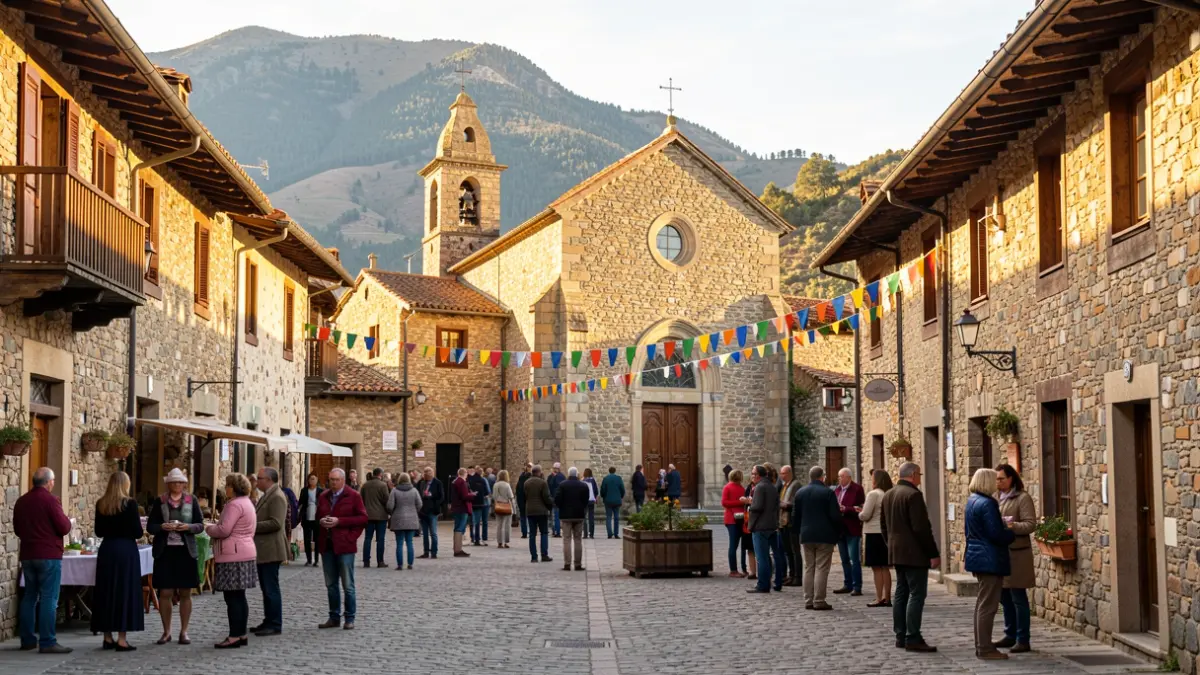
Furthermore, today's Terrassa, with its urban growth and social diversity, would disorient him. The city today is a mosaic of cultures and realities, very different from the hierarchical society he knew. This plurality, however, might even inspire him to conceive a more inclusive architecture. He would also question the change in construction styles, missing the soul and detail of modernist architecture in contemporary, more functional and minimalist forms.
The exercise also reverses the situation: what would happen if a contemporary citizen visited Terrassa in 1900? The first impact would be sensory: the smell of coal and industry, the constant noise of machines and horses, and a much slower pace of life, with exhausting working days and the presence of child labor. Current attire, with comfortable clothes and bright colors, would make him an attraction, as clothing in that era clearly marked social class and gender.
Finally, the social reality of 1900, with its extreme contrasts between the bourgeoisie and laborers, would be a shock. And, of course, the complete absence of Wi-Fi and mobile networks, despite the invention of the telephone decades earlier, would be the ultimate reminder of the temporal distance.