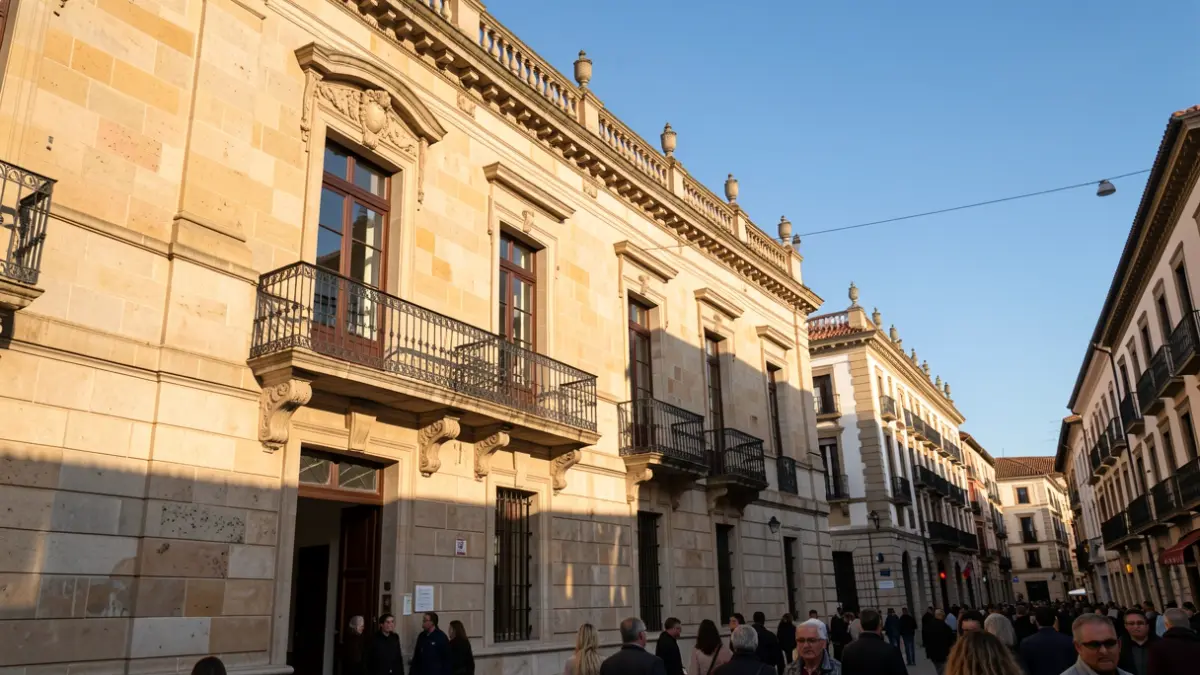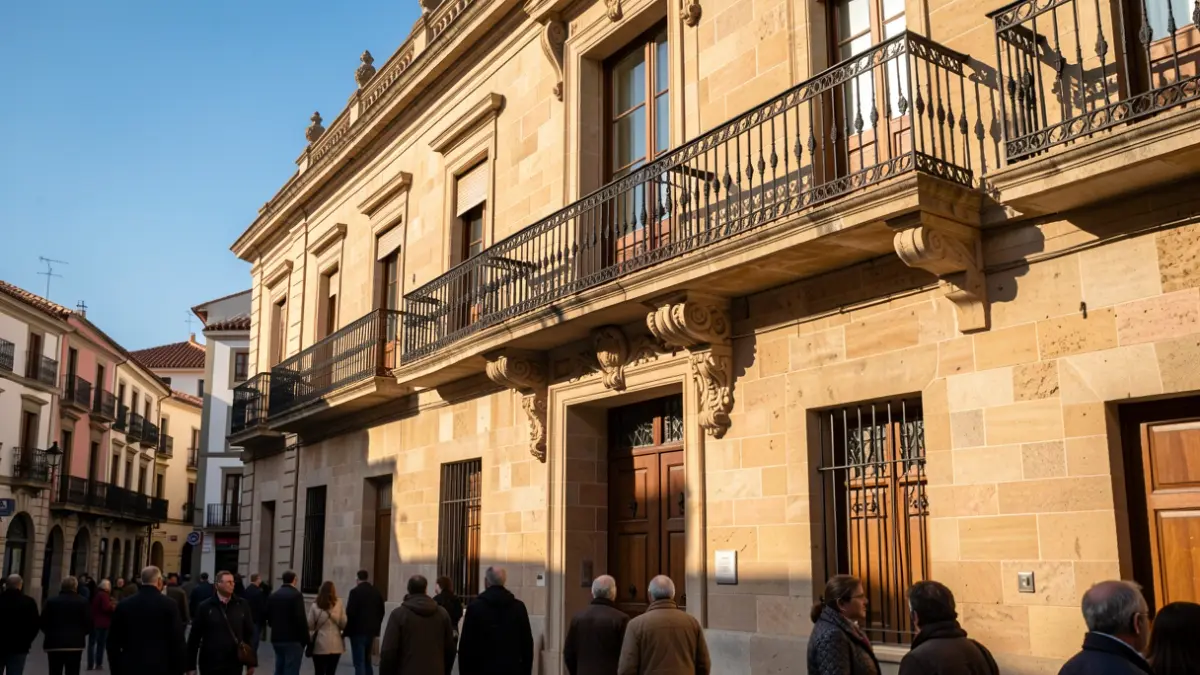
The Valldoreix Neighborhood Board approved on Thursday, June 18th, a motion by the Popular Party to recognize the damages suffered by residents of Baixador Avenue and demand compensatory measures until the area's urbanization is completed. The proposal passed with favorable votes from PP and Vox, while the rest of the political groups abstained, despite sharing the diagnosis of the residents' situation and expressing doubts about the legal feasibility of financial compensation.
The popular spokesperson, Carlos Aranguren, argued that residents have endured years of grievances due to the lack of urbanization and continue to pay property taxes under "lamentable" conditions. He proposed that the Sant Cugat City Council study compensation formulas based on this tax until the works are executed, arguing that "there are sufficient grounds to seek an extraordinary agreement" to compensate for the accumulated damages.
From Vox, Juan Pich-Aguilera supported the initiative, hoping it would pressure administrations and accelerate urbanization. He suggested that the "loss of taxpayers" could be a significant reason for administrations to continue working on the project.
Junts per Valldoreix abstained, considering compensation "necessary." Board member Lluïsa Muñoz stated that her group supports the motion's core idea but requested "legal guarantees" before definitively approving it.
The Economy councilor, Ramon Segura (ERC), admitted that residents "are not being treated as they should" and recalled previous actions by the EMD to improve the area. However, he expressed reservations about linking compensation to property taxes to avoid "complicated precedents." The government also abstained "out of solidarity with the residents," leaving the door open to studying possible measures.