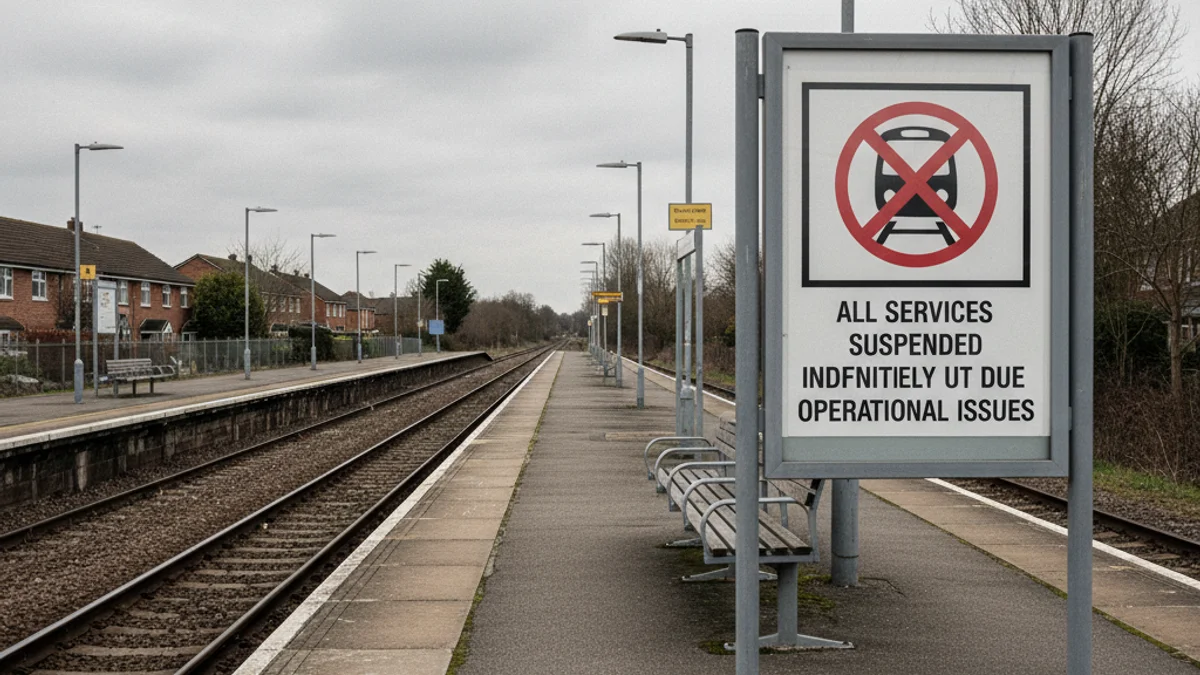
The suspension of the Rodalies service remains in effect until further notice throughout the Catalan rail network, following several incidents recorded during the last week. This interruption, which affects thousands of commuters, continues throughout Sunday, January 25.
Meanwhile, the city of Rubí has recovered part of its historical essence with the celebration of the Sant Antoni Abat festival. The central event, the Rua dels Tres Tombs (Three Turns Parade), is held this Sunday, with some events returning to their emblematic venue, the Casino de Rubí.
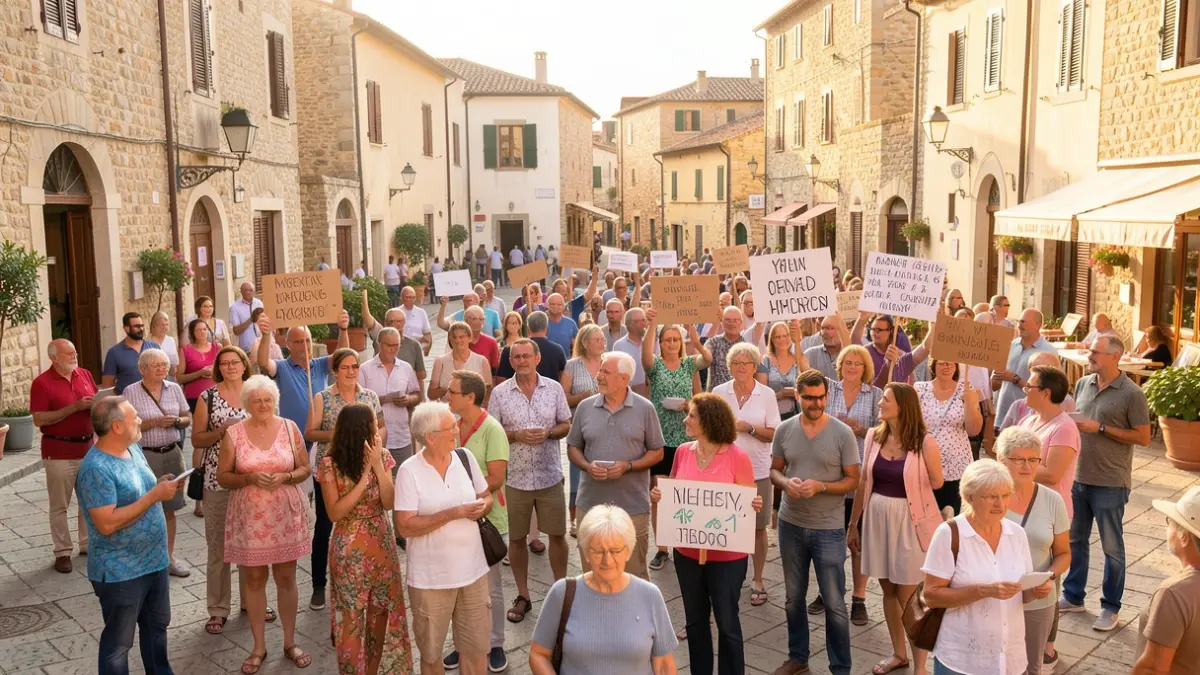
The population's concern for public health was evident, focusing on mental health care and long waiting lists.
In the political and infrastructure sphere, the Mayor of Rubí, Ana María Martínez, has publicly defended the transformation works on the Avinguda de l’Estatut, arguing that they represent a determined commitment to a more friendly, sustainable, and cohesive city.
Regarding incidents, the Bombers de la Generalitat (Firefighters) received an alert about the collapse of an exterior wall on Carrer Menahen Beguin, which affected a light pole. Despite the impact, no injuries were reported. This was the only major incident during the rain storm in the city. Additionally, two workers in a warehouse in the Polígon de Can Rosés suffered carbon monoxide poisoning due to a possible poor combustion of a generator.
Finally, the historian Jordi Vilalta has highlighted the figure of Pere Xercavins, an amateur photographer who documented the life and landscapes of Rubí in the early 20th century. His archive, with over 800 glass plates, is an essential source for local history.