The strike, which peaked on Thursday, February 26, 1976, kept the population and institutions of Sabadell under intense tension for almost a month. Following the dictator's death, the Francoist authorities, often referred to as the “bunker,” insisted on maintaining their repressive policies instead of pursuing democratic reforms.
“"Sabadell is Petrograd."
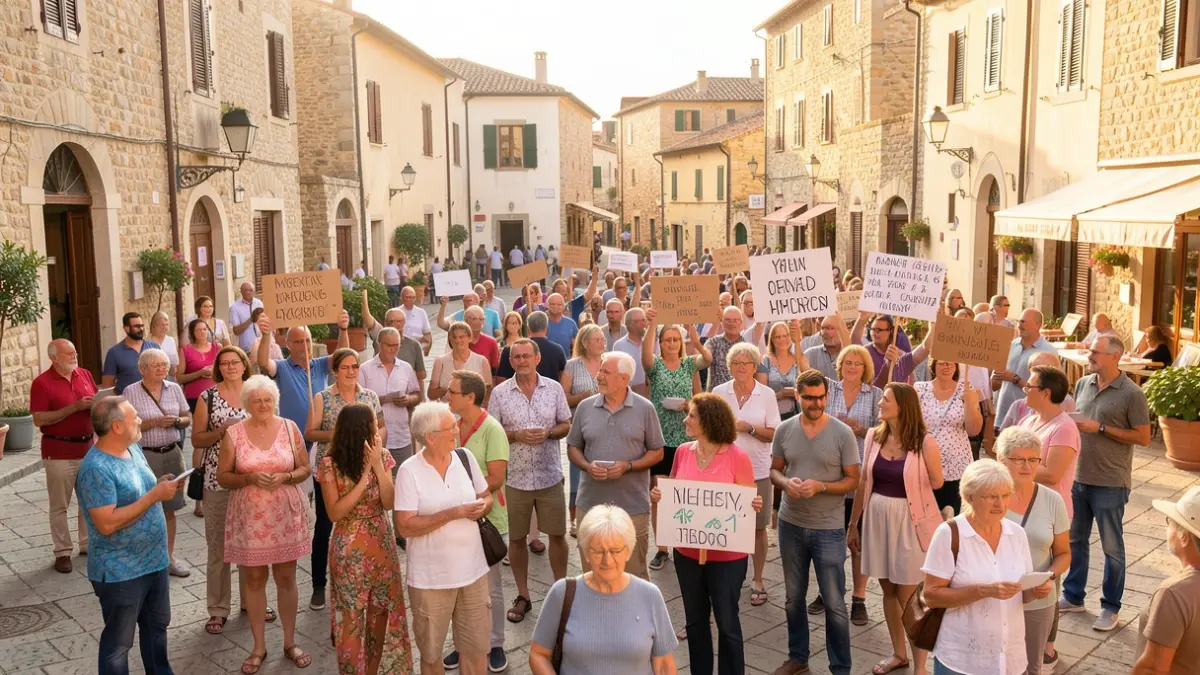
Tensions escalated dramatically on Friday, February 13, 1976, when a peaceful demonstration by primary school students, parents, and teachers demanding free education was violently repressed by the police. This disproportionate action fueled widespread public outrage, leading to a major protest rally on Thursday, February 19.
The police action on February 19 left several people seriously injured. Among the victims were worker Andrés Quero Almansa, hospitalized for six days with a cerebral concussion after being beaten, and Manuel Rodríguez Arcos, critically injured by a rubber bullet to the neck. English teacher David Wilson, hit by a tear gas grenade, died months later due to the resulting complications.
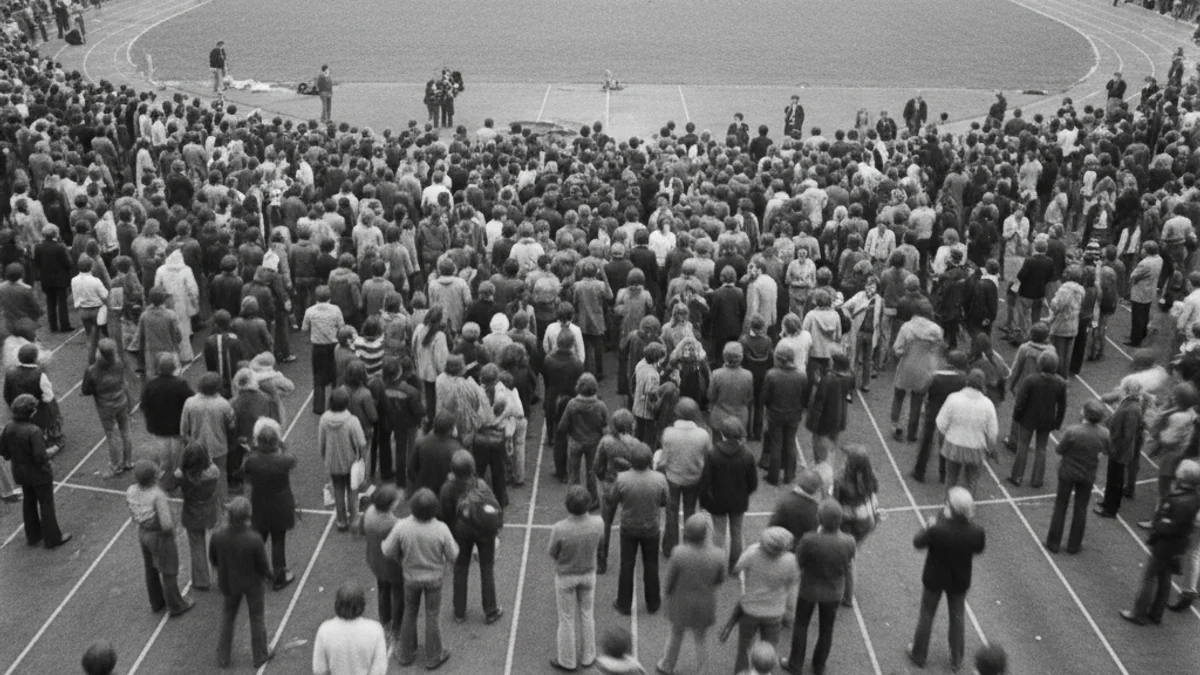
The general strike reached its climax on Thursday, February 26, with a total shutdown of the city. Thousands of attendees, estimated at 25,000, gathered at the Athletics Tracks. The arrival of lawyer Antoni Farrés with eight previously detained strikers signaled the end of the immediate conflict, which was followed by the formal resignation of Mayor Josep Burrull on October 15.