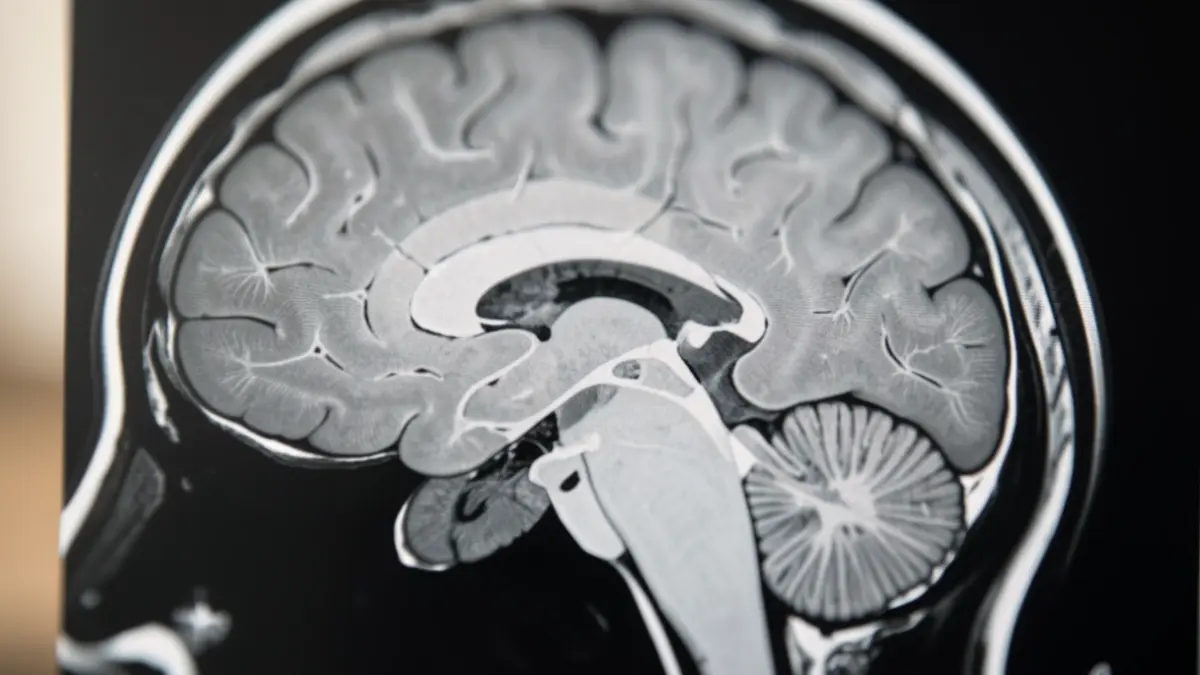
Ataxia is a neurological sign characterized by impaired coordination of movements and balance. It is not a disease in itself but rather a manifestation of numerous pathologies primarily affecting the cerebellum and its connections. Individuals with ataxia may experience walking instability, lack of limb coordination, as well as speech, swallowing, or eye movement disorders.
The causes of ataxia are diverse. Some are acquired, linked to strokes, certain medications or toxins, nutritional deficiencies, or autoimmune diseases. There are also ataxias of hereditary origin. According to Dr. Maria Cristina Lafuente, a neurologist at Parc Taulí, hereditary ataxias are a very heterogeneous group, with onset ranging from childhood to adulthood.
The neurology department at Parc Taulí conducts a comprehensive neurological evaluation when ataxia is suspected, including assessments of gait, balance, coordination, speech, and eye movements. Complementary tests, such as genetic studies for hereditary ataxia, are crucial for accurate diagnosis, thanks to recent advancements in genetics.
Treatment depends on the underlying cause. While some ataxias have specific therapies, many degenerative forms still lack a curative treatment. Therefore, a multidisciplinary approach involving specialists in neurology, rehabilitation, physiotherapy, and speech therapy is essential to maximize patients' autonomy and quality of life.
Every September 25th marks World Ataxia Day, an occasion to raise awareness about these conditions, promote early diagnosis, and emphasize the importance of continued research.