Data from the Catalan Waste Agency for the 2025 fiscal year shows that the 42 associated municipalities generated a total of 189,130.18 tons of waste. Of this, 98,369.50 tons were selectively collected at source, representing 52% of the total. This figure is more than three percentage points higher than the 48.76% recorded the previous year.
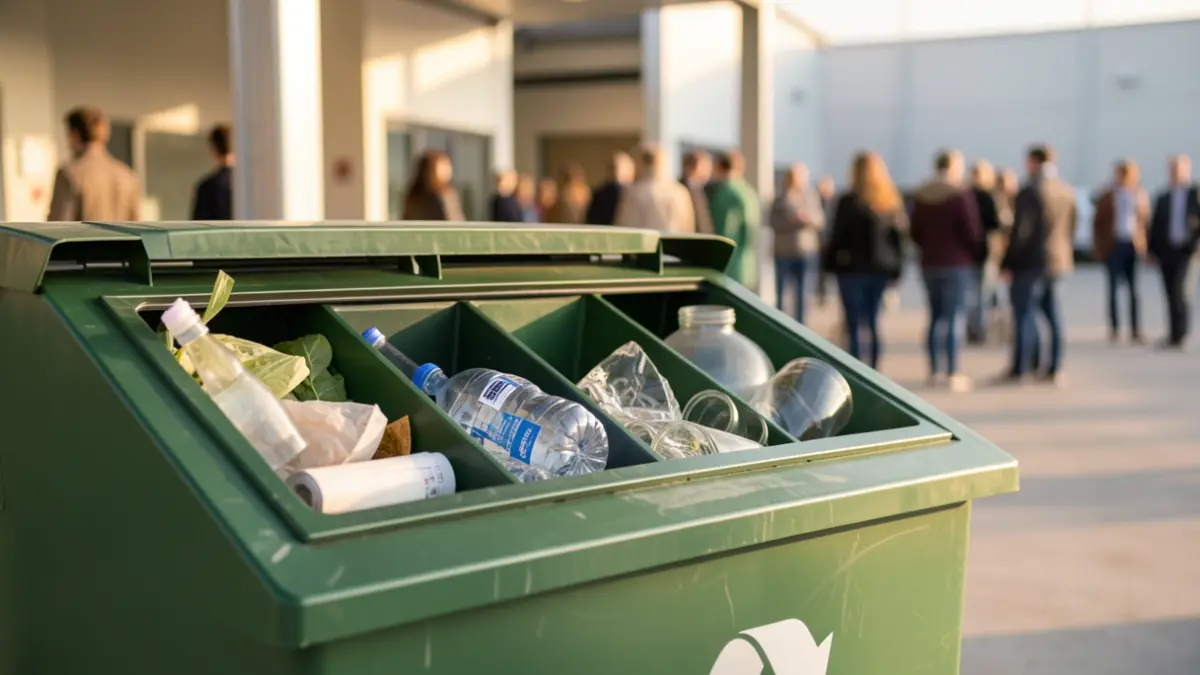
This result places the Consortium ahead of the Catalan average, which stood at 48% in 2025. This improvement is attributed to the implementation of more efficient collection models, such as closed container systems.
In terms of per capita generation, the Consortium's area registered 436.32 kg of waste per person per year, 46 kg less than the Catalan average (482.77 kg). Selective collection per capita was 226.94 kg (52%), while the residual fraction was 209.39 kg (48%).
Within selective collection, organic matter leads with 30,550.04 tons (31% of the total selective), followed by waste from recycling centers (23.3%) and paper and cardboard (14.2%). Light packaging amounts to 13,325.25 tons, glass to 8,746.90 tons, and garden waste to 6,443.83 tons.
The residual fraction has decreased by 4.4%, with 90,760.68 tons generated, representing 48% of the total municipal waste. Most of this waste undergoes pre-treatment before its final destination.