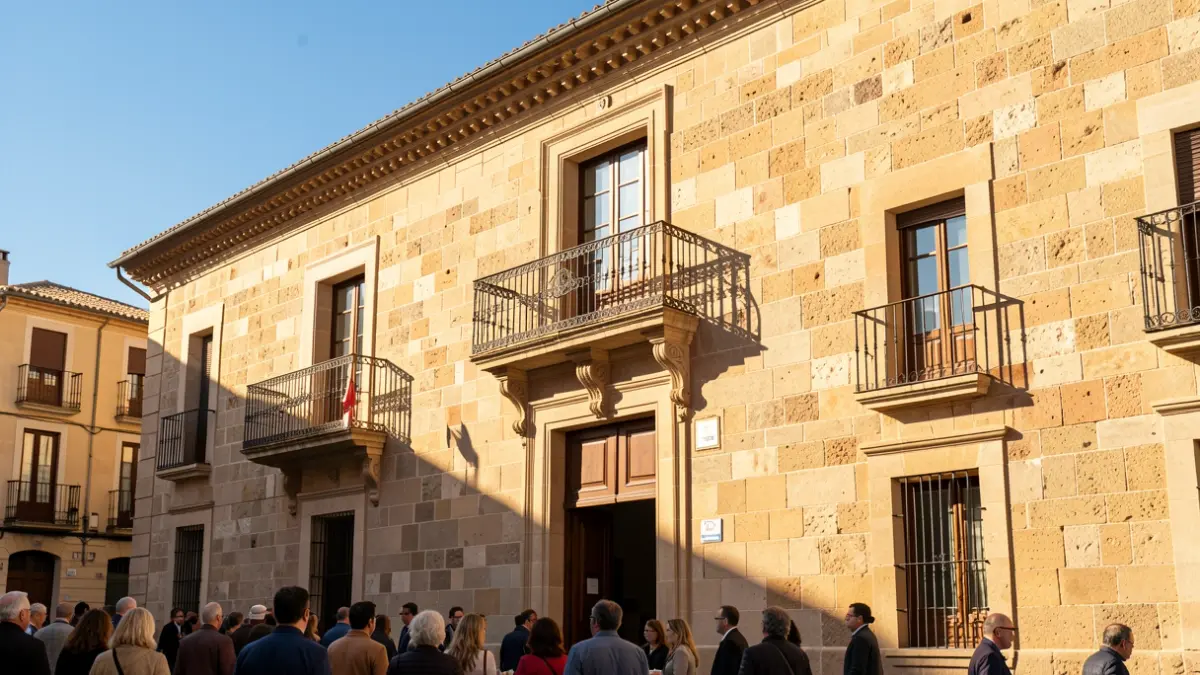
Catalan has been decisively introduced into Catalan prisons with the campaign ‘El català obre portes’ (Catalan Opens Doors), a joint initiative by the Justice and Linguistic Policy departments. The goal is to foster its regular use among inmates and staff, aiming for a 20% increase in speaking by 2030. This campaign seeks to make inmates aware that mastering Catalan can open doors to employment, as well as cultural and social opportunities.
The initiative includes a linguistic diagnosis, the creation of linguistic referents, language partnerships, specific vocabulary, and the promotion of Catalan events in various areas such as sports, occupational workshops, and cultural and leisure activities. The plan targets inmates, including young offenders, as well as prison staff and collaborating entities involved in rehabilitation.
The initial implementation phase has taken place at the Youth Penitentiary Centre in La Roca del Vallès, the Wad-Ras open centre (Barcelona), and the Mas d’Enric prison (el Catllar, Tarragona). Councillor Francesc Xavier Vila highlighted that the objective is for Catalan to become a language of daily use, accessible and valued, thereby facilitating the social reintegration of inmates.
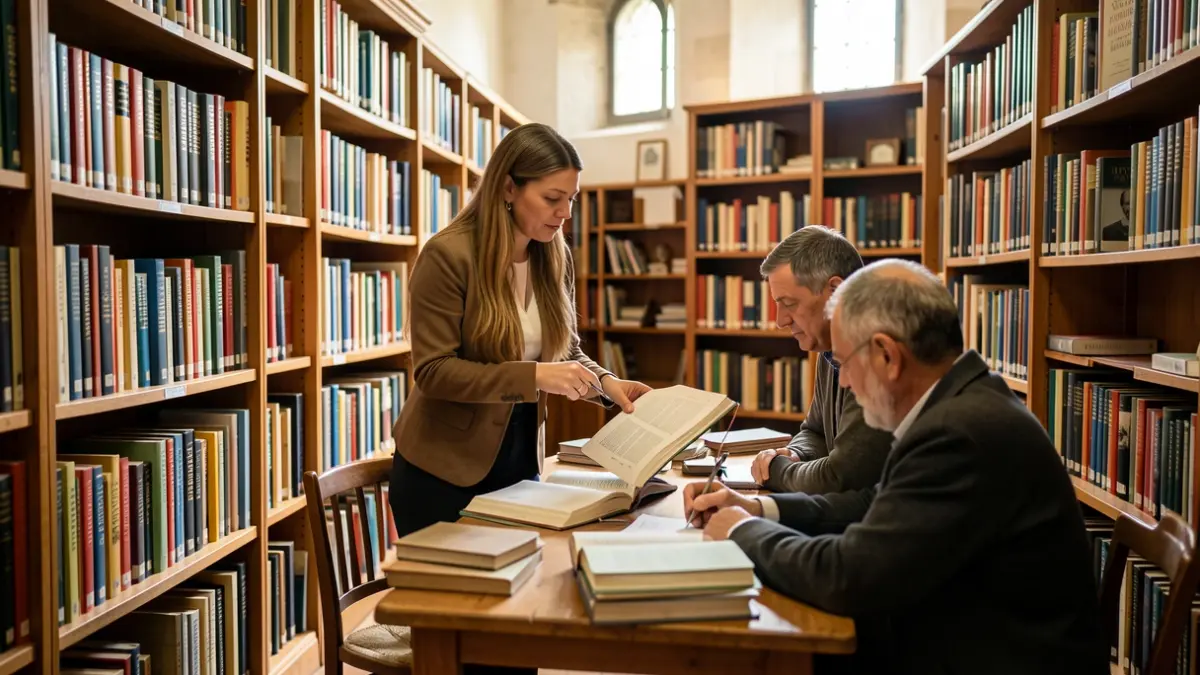
To integrate Catalan beyond the classroom, it is being learned in key spaces such as occupational workshops, where inmates receive a stipend for tasks like folding cardboard bags or manufacturing components. Isaac, a technician from CIRE, explains that the language is adapted to each person's knowledge level. In the library, linguistic referent Èlia has promoted the acquisition of new books to facilitate learning at different levels.
Inmates like Huyang Liu, originally from China, and Uriel Tomás, from Brazil, view learning Catalan as an opportunity to improve their employment and social prospects in Catalonia. Kevin Bonilla, from Ecuador, emphasizes that knowing Catalan can positively surprise potential employers and participates in Catalan debates that foster cohesion and mutual understanding.
Councillor Ramon Espadaler noted that linguistic referents have been established to encourage the natural use of Catalan within the centres, finding a positive reception from both public servants and inmates. The director of the La Roca del Vallès centre, Lluís Plaza, confirmed this good reception, stressing that Catalan should be the primary language of use for Generalitat staff.