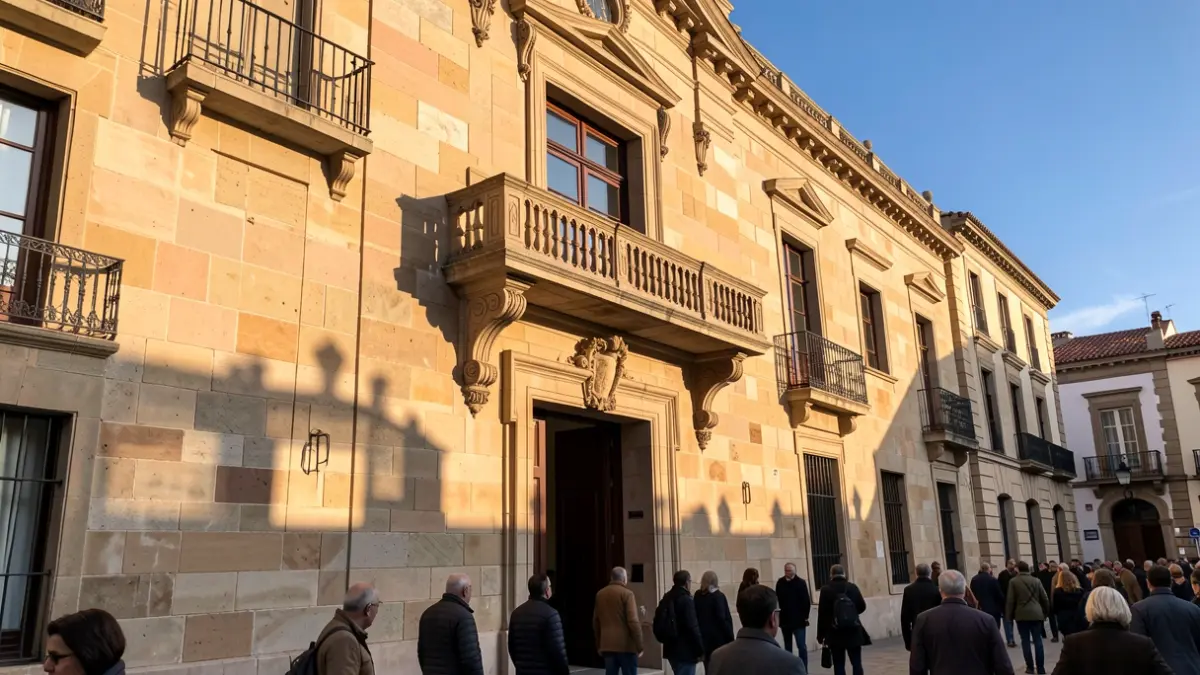
The third edition of Granollers' participatory budgets has concluded with unprecedented participation success, registering 3,146 votes cast, of which 2,977 were deemed valid. This figure, which triples that of the previous edition, represents 5.16% of the electoral roll, exceeding the average of 3.3% for municipalities with over 50,000 inhabitants, as reported by the council.
The winning proposals, to be implemented before July 31, 2029, include improvements to playgrounds, school environments, public lighting, and sidewalks. The total investment allocated to these 12 projects amounts to 1,780,000 euros, with individual costs ranging between 40,000 and 200,000 euros.
Among the most voted initiatives are the improvement of lighting on Hospital, Rosselló, and Corró streets (928 votes), sidewalk renovations on Hospital street (831 votes), the creation of shaded areas in playgrounds (820 votes), the installation of exercise equipment for the elderly in la Bòbila park (778 votes), and the protection of school surroundings (720 votes).
Other planned actions include garden improvements, the installation of a roof over the pergola in Apel·les Mestres square, the creation of a raised pedestrian crossing between Ponent and Lledoner parks, the renovation of children's play equipment in various parks (Can Comas, la Corona, Ciclista square, and Torras Villà park), lighting upgrades for the Fluvial promenade, and enhancing thermal comfort at Salvador Espriu school.
The proposal collection phase, which began in December, generated 44 proposals through 10 open sessions for citizens. Out of a total of 229 initial proposals, 102 were accepted and moved to the final vote, from which the 25 finalists emerged.