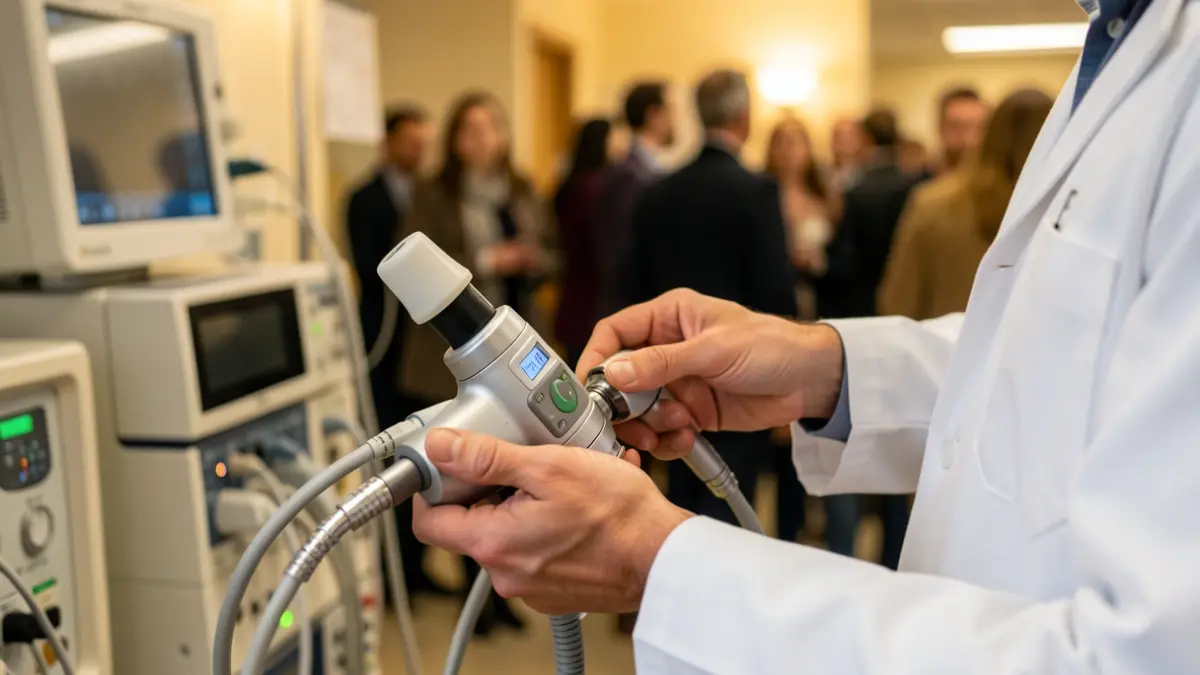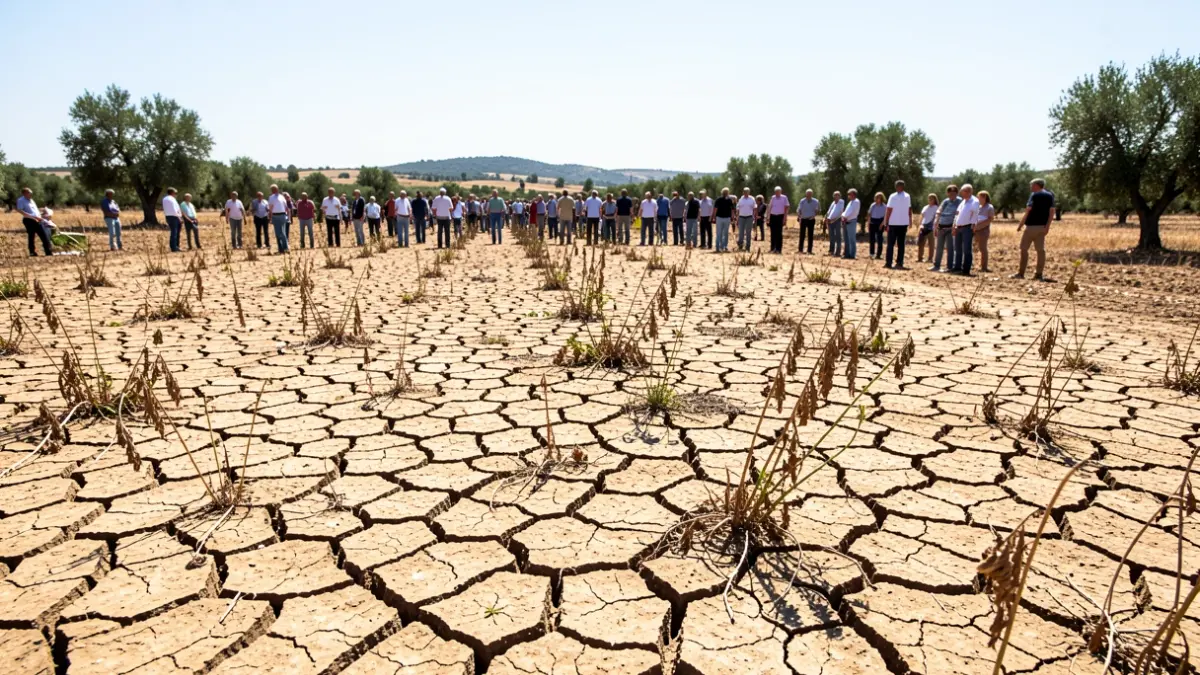
Summer 2026 has marked a turning point in Catalonia, becoming the hottest and most suffocating since records began. Nationally, excess heat has caused 1,835 deaths according to the MoMo system. In Alt Camp, extreme heat has had an alarming impact on both public health and the agricultural sector.
According to data from the Centre Meteorològic de l'Alt Camp (CMAC), the central observatory at Fornàs in Valls recorded nights with a mugginess temperature of up to 32.7 °C. This lack of nocturnal rest has led to numerous health attentions at the region's CAPs for dehydration and syncope. Nulles experienced 8 torrid nights, Vilabella 6, and Valls 5.
The CMAC's latest-generation stations have confirmed the historical anomaly. The highest temperature recorded in the region was 41.2 °C in Nulles, closely followed by Vilabella (41.0 °C), Rodonyà (40.9 °C), and Valls and Vallmoll (40.8 °C). Mountainous areas like Querol and Mont-ral served as the only refuges with more moderate temperatures.
Local agriculture has severely suffered the consequences of thermal stress and water scarcity. Vine growers of the DO Tarragona were forced to advance the grape harvest to early August, about three weeks earlier than usual. Locations such as Nulles, Vilabella, Vallmoll, Valls, Rodonyà, and Bràfim show a high degree of agricultural impact, with smaller grape berries reducing the harvest volume, although the product's health is excellent.
Other traditional crops are also compromised. Hazelnuts are suffering from water stress with premature fruit drop, and dryland olive and almond trees face threatened yields. The region's vegetable gardens also show widespread leaf scorch and increased irrigation costs.