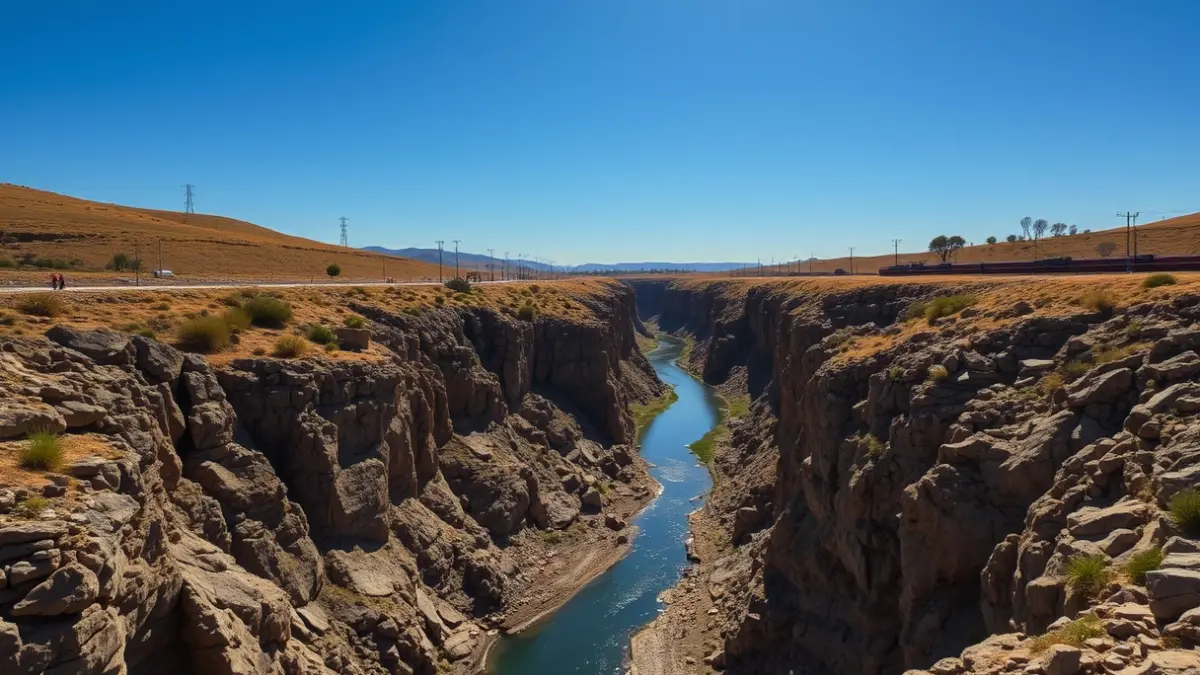
In a recent debate, a comparison has been drawn between the relevance of the Estret de la Riba and the tension surrounding the Strait of Hormuz. This analysis seeks to offer a perspective on how dynamics of peace and conflict manifest in both locations, despite their geographical and geopolitical differences.
The Estret de la Riba, located in the Alt Camp region, has historically been a confluence point for various transport infrastructures. From the arrival of the railway in 1863 to modern highways and the passage of the AVE, this area has seen its territory traversed by multiple communication routes. This concentration of infrastructures has generated a significant impact on localities such as Lilla, which has borne the consequences of development without receiving the expected economic benefits, unlike other municipalities such as Montblanc.
The need to bypass Lilla became evident in the 19th century, freeing the town from the burden of traffic from 1844. In contrast, other localities such as Vilaverd and Fontscaldes had to wait until the 1970s-1980s for their own bypasses, demonstrating a considerable delay in infrastructure planning.
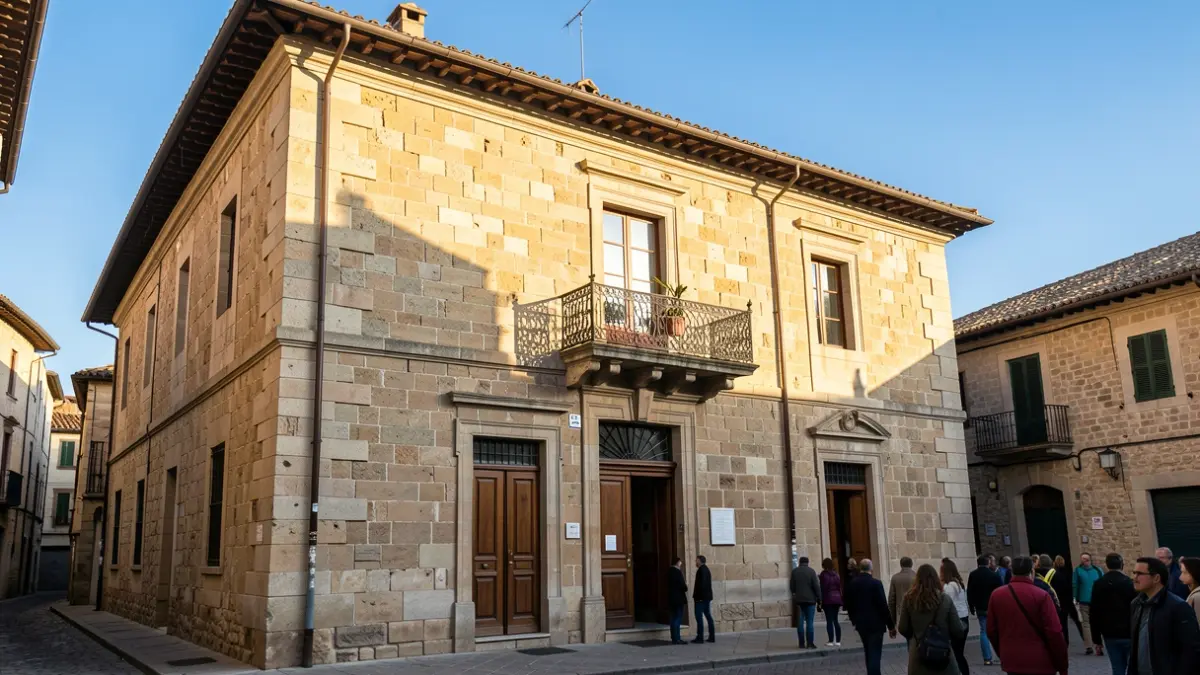
“"Lilla is an ancient and beautiful village. Sheltered by the cliff, a crossroads, generous with its springs, spread across forests and cultivated fields, a watchtower of the Conca, a village that presents itself to the traveler as a flock of houses nestled one upon another."
Meanwhile, the Strait of Hormuz, a vital channel between the Persian Gulf and the Gulf of Oman, is a global strategic point for international trade. One-third of the world's liquefied natural gas and 25% of global oil consumption pass through here. This economic importance makes it a constant focus of geopolitical tensions, especially in the current context of conflicts in the region.
The situation in the Strait of Hormuz is exacerbated by disputes between regional and international powers. Recent escalations of tension have highlighted the fragility of peace in the area, with periods of calm allowing for fluctuations in oil prices and stock market quotations. The resilience of the factions involved, as well as the influence of major powers, are determining factors in the evolution of the conflict.
The final reflection underscores the importance of human life above geopolitical interests, recalling the words of Salvador Espriu about the necessity for a man to die for a people, but never an entire people for a single man.