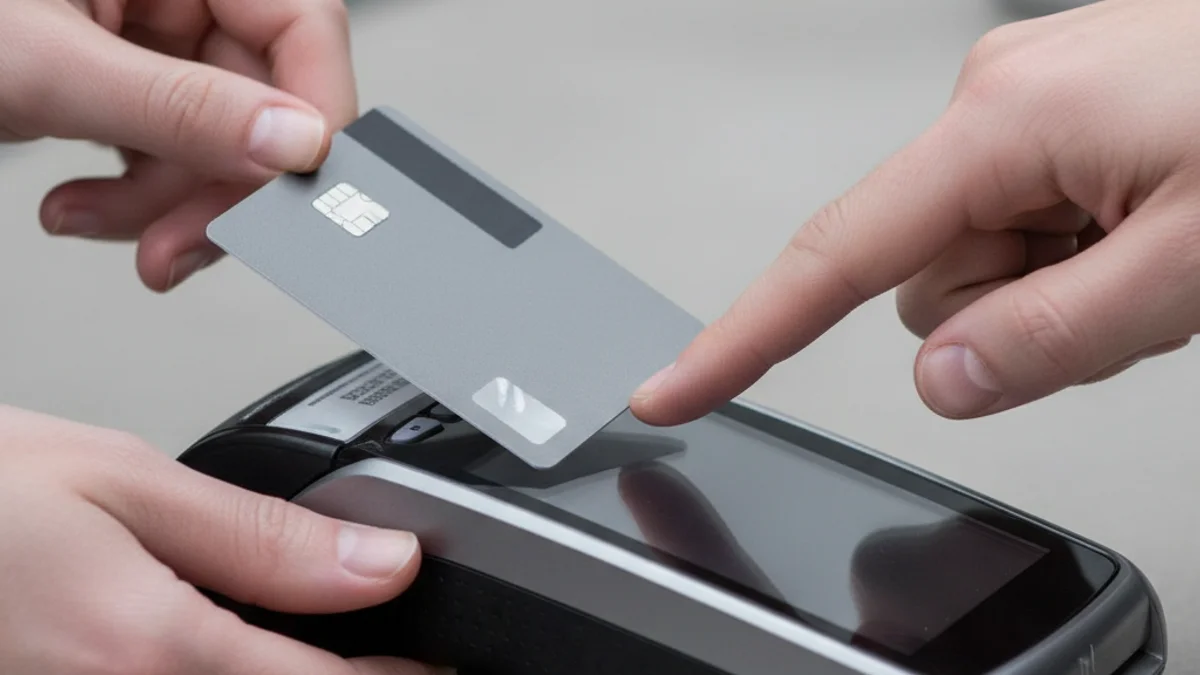
The convenience of credit and debit cards has led them to surpass cash as the usual payment method in Spain, both for in-person and online purchases. However, their growing popularity has been accompanied by a significant increase in fraud associated with misuse or risky situations that users often overlook.
One of the most common errors occurs when the seller or waiter takes the card away to swipe it through the dataphone. Devices that clone cards, known as skimmers, remain a real threat. In a matter of seconds, data can be copied without the user having any control over the process.
Experts recommend never handing over your card to anyone and always demanding to be the one to swipe it through the dataphone personally.
It is also crucial to be suspicious if the dataphone shows strange elements, such as added cables or pieces that do not look original. These accessories can be used to intercept banking information and send it to external servers.
Another potential risk scenario is using public Wi-Fi networks or shared access computers for online payments. In these environments, communications can be intercepted, or someone might be observing the screen during the payment process. Beyond in-person payments, phishing remains a major threat.
The advice is clear: do not provide card details over the phone or on the street, or to supposed NGOs. Users must avoid entering card numbers on suspicious sites or fake pages accessed via attractive email offers. Common sense is the best defense.