The Gaudí Awards reach their majority age with the announcement of a new headquarters at Torre Avenir. The institution was conceived by actor and director Joel Joan, who presided over it for the first five years, followed by producer Isona Passola (2013-2021). Since then, film director Judith Colell has been at the helm, overseeing a year with 85 candidate productions.
“"The Gaudí Awards arrive in good health at 18 years old, but if you compare the budget of the Gaudí Awards with that of the Goya Awards, ours is ridiculous."
The first gala was held on January 19, 2009, on a TV3 set, under the direction of Mònica Terribas. Joel Joan recalled that the creation of the Academy was essential for self-recognition: “Catalan cinema was 50% of the Spanish industry but we did not feel like protagonists. Creating the Catalan Film Academy meant taking ourselves seriously and having our own gala.”
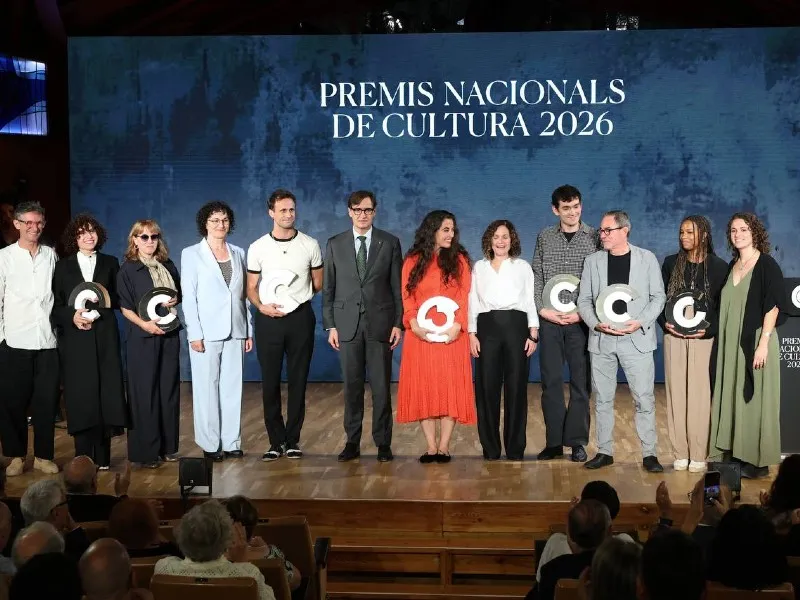
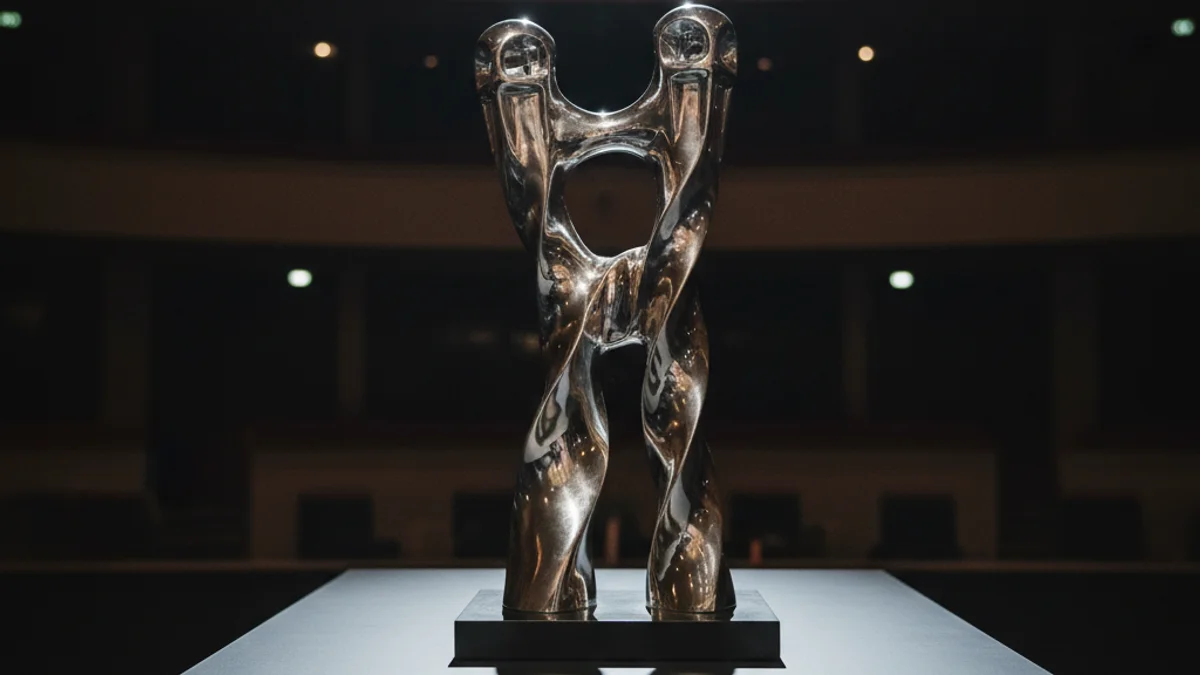
The statuette, designed by Montse Ribé, an Oscar winner for the makeup in Pan's Labyrinth (El laberinto del fauno), was inspired by the chimneys of the Pedrera. The goal was to create a sleek and shiny award, similar to the Oscar. The Academy has grown from 45 founding members to 650 today, despite initial resistance from a sector that considered the Spanish Academy sufficient.
During Isona Passola's presidency (2013-2021), the goal was to enhance the prestige of the awards, achieving galas that were “the best rated by the European Film Academy.” The Academy gained European recognition and joined the European Film Academy, supported by figures like Wim Wenders, despite being the only institution without a supporting State. Under Colell, the budget has grown from 750,000 euros to 1.5 million annually.