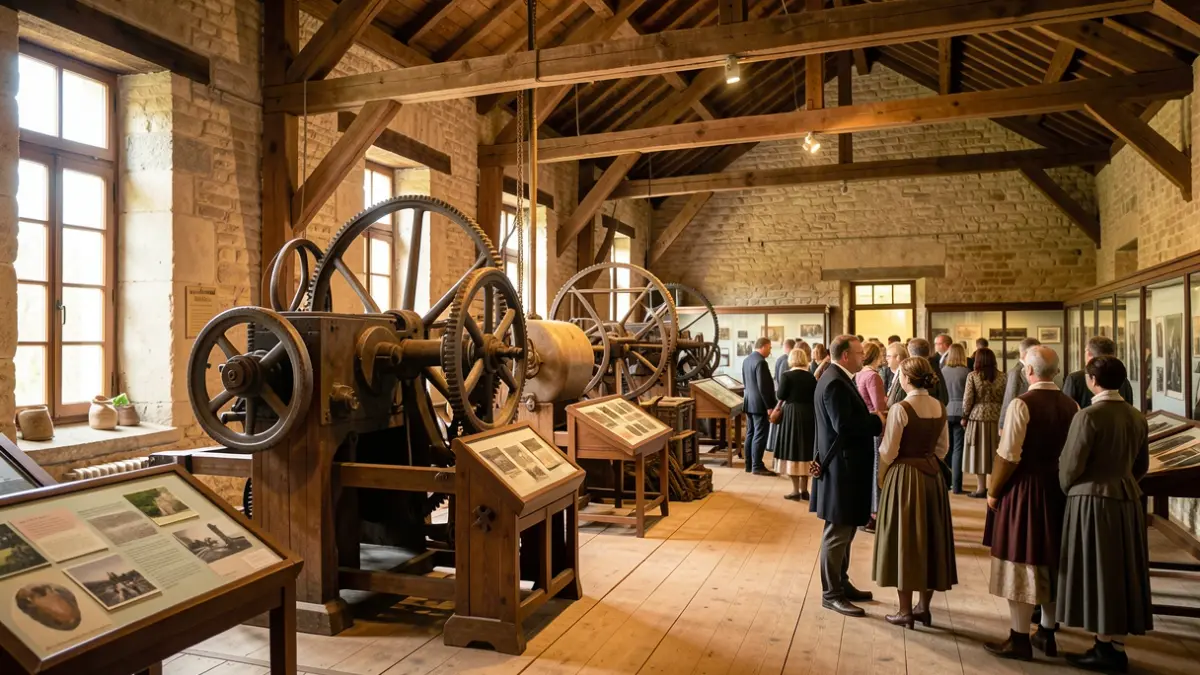
The Ecomuseu Farinera de Castelló d'Empúries begins a new chapter with a complete overhaul of its museographic narrative. This initiative, part of the City Council's strategy to project municipal heritage, links industrial heritage, food, health, and sustainability through two main spaces: the historic flour mill and the ÀgoraTeca.
The transformation involved an investment of approximately 783,000 euros, fully funded by European Next Generation EU funds. This project is part of a broader initiative to recover local heritage, which also includes the rehabilitation of the Palau dels Comtes.
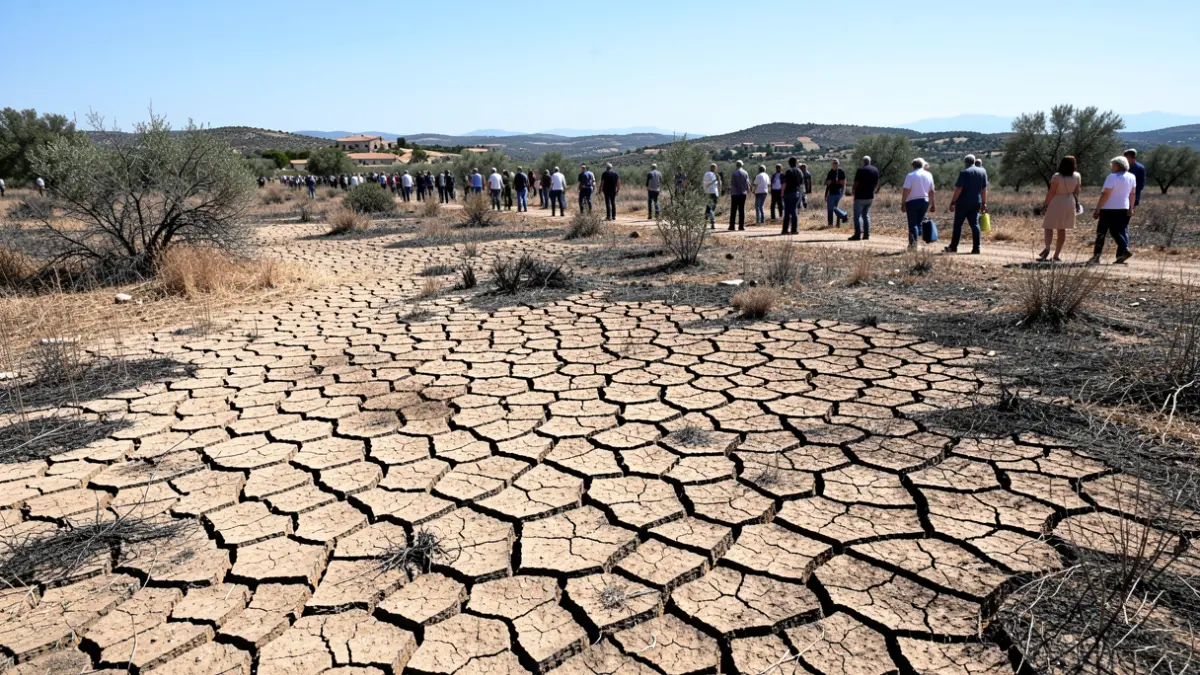
The new museographic project uses wheat, flour, and bread as a common thread to reflect on 21st-century challenges, such as the impact of the food model on the planet, health, and the relationship between people, landscape, and society.
The museum is organized into two areas: the flour mill, showcasing the operation of the old facility and its original machinery, and the ÀgoraTeca, a space dedicated to food, health, and sustainability, addressing topics like the Mediterranean diet and food waste.
The renovation prioritized universal accessibility, with spaces and content designed according to physical, sensory, and cognitive criteria. Content is available in four languages, and digital tools are incorporated to expand interpretive resources.
The Mayor of Castelló d'Empúries, Anna Massot, emphasized that investing in heritage builds the future and aims to make it useful, vibrant, and a source of culture and knowledge.
The project, selected among the few Catalan municipalities funded by Next Generation EU, reinforces the Ecomuseum's role as a facility serving the community, fostering critical thinking and connection with the territory.