The Department of Territory, Housing and Ecological Transition has admitted delays in approving conservation and recovery plans, mandatory since 2008 (flora) and 2023 (fauna), which were initially expected to be finalized in 2025. Currently, only plans for six animals and one plant exist out of the 725 species in poor conservation status in Catalonia.
“"Instead, we will promote multi-species plans, a much more effective model for the effective custody of fauna and flora."
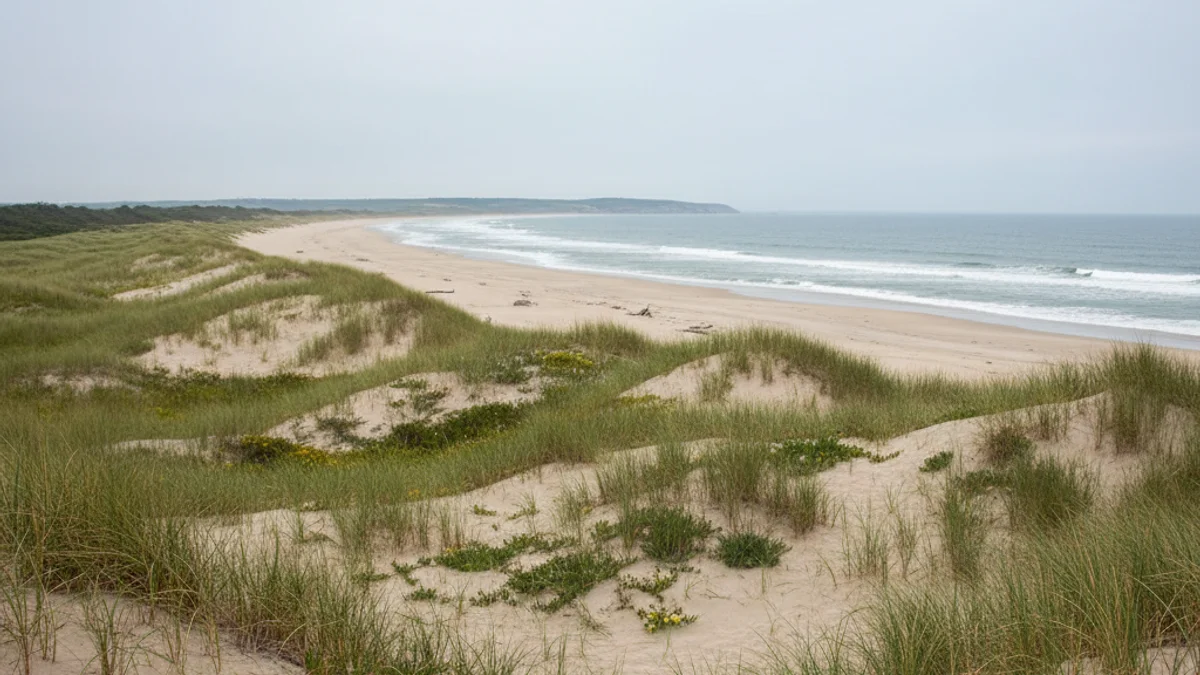
The new strategy, led by Marc Vilahur, will focus on the 24 ecosystems that host the majority of these species. The first three plans to be approved, scheduled for late 2026 or early 2027, will address dunes and sandy areas, coastal cliffs, and high-mountain river sections.
These initial plans will cover 77 species, including 37 threatened species inhabiting dunes and 16 in coastal cliffs. Entities like the Xarxa per la Conservació de la Natura (XCN) support the multi-species model, as it is more aligned with restoring entire ecosystems, but warn that effective protection is not guaranteed until the plans are formally approved.