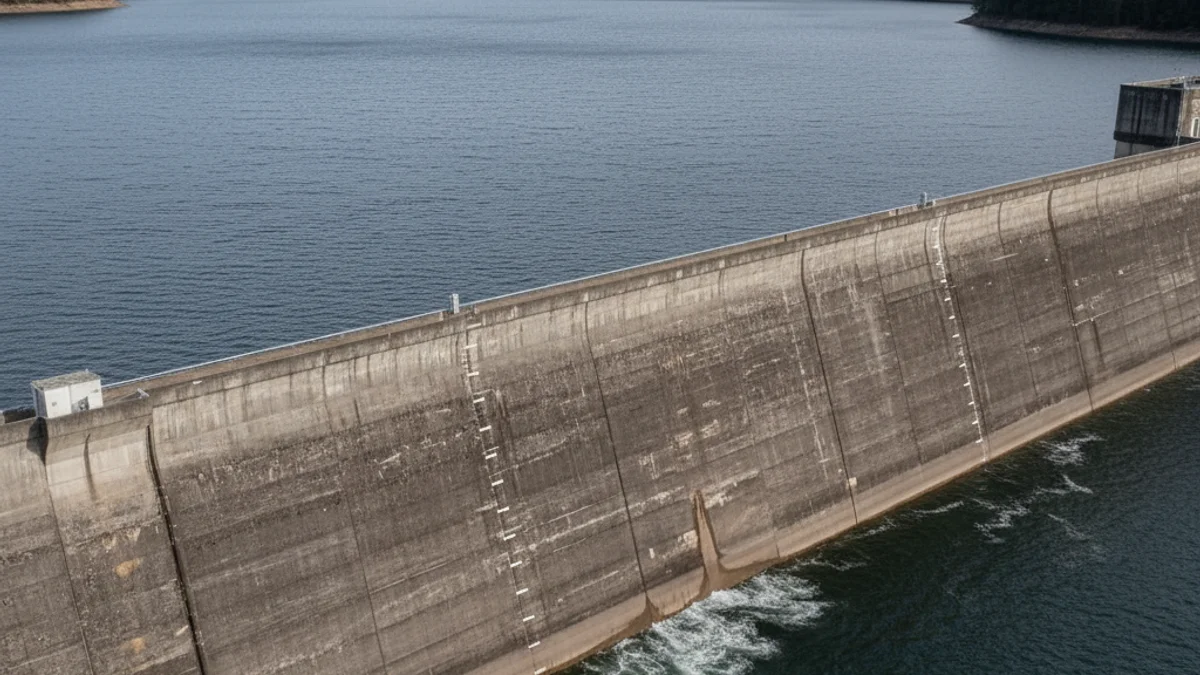
The 4.5 percentage point increase in just one week has raised total reserves above 613 cubic hectometers. This volume, according to the Agència Catalana de l'Aigua (ACA), ensures supply for more than a year, even if precipitation ceases, without the need to impose water restrictions.
The Darnius-Boadella reservoir, located in the Alt Empordà region, was among the most benefited by the storm, reaching 92.5% capacity. The crucial Ter-Llobregat system, which supplies Barcelona, Girona, and Central Catalonia, averages 91.5%, with Sau at 96% and Susqueda above 92%.
The strategy of preventive water management facilitated optimal regulation before the arrival of the storm.
The ACA carried out a preventive water release between January 15 and 19, anticipating significant rainfall. This measure was essential to gain a safety margin in the reservoirs, allowing them to absorb the new water contributions from storm Harry without causing severe flooding.