The need to protect the coastline in the Bay of Roses is increasingly evident, not only to preserve sun and beach tourism but also to safeguard public and private spaces, ports, and infrastructure. This protection extends beyond natural heritage, including wetlands and river mouths, which are vital for the local ecosystem.
“"Thanks to l'Escala's historical experience in dune engineering, pioneering in Spain and Europe around the 1900s, today we can still see l'Escala and Sant Martí d'Empúries standing and thriving."
L'Escala's experience in dune engineering, dating back to the early 20th century, is an example of how natural barriers with vegetation can root dunes and protect the coast from sandstorms generated by the tramontana wind. This technique allowed towns like l'Escala and Sant Martí d'Empúries to remain standing. Forgetting this pioneering knowledge is considered an unforgivable mistake, especially when the cost of inaction can be five times higher than prevention.
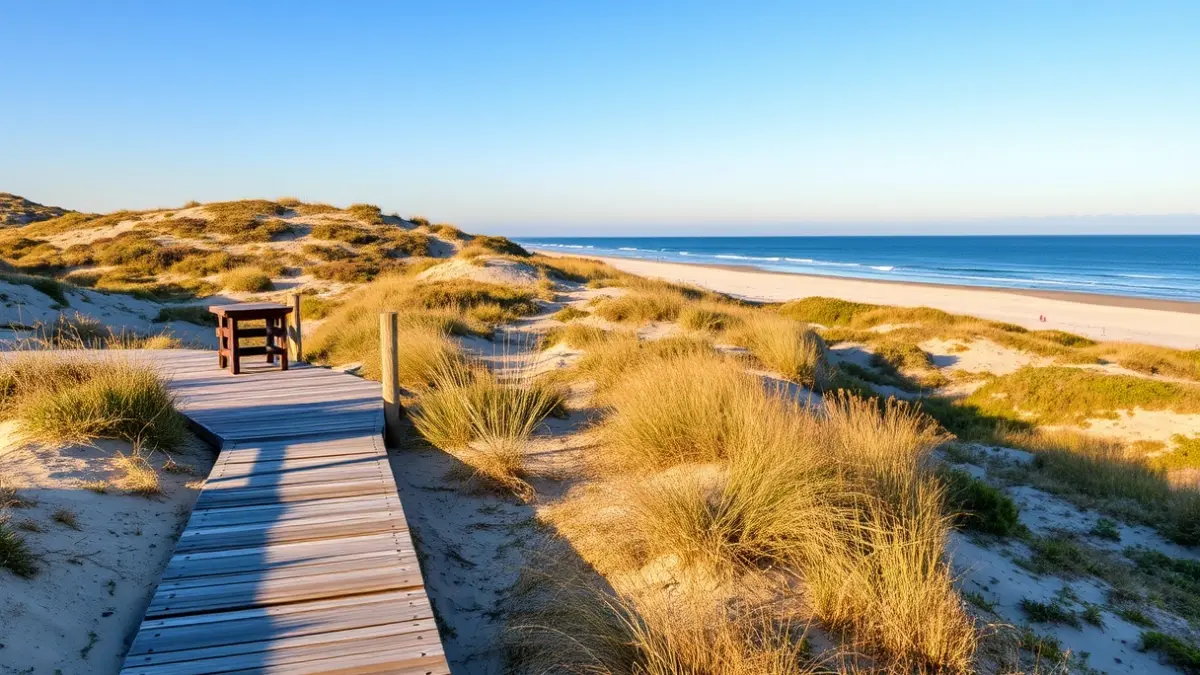
The transfer of this knowledge to a consortium and the adaptation of this engineering to protect the Bay of Roses is a matter of political will. A successful example can be found between Peníscola and Benicarló, where a seven-kilometer naturalized dune barrier exists. This rooted barrier, featuring a walkway for pedestrians and cyclists, demonstrates that it is possible to integrate coastal protection with tourist use, even adjacent to promenades filled with hotels. This solution could be viable in the Bay of Roses, taking advantage of the existing beach width, which, however, is receding every year.