The figure of Salvador Dalí continues to generate global interest, even 37 years after his death. This fascination is evident in the long queues to enter the Teatre-Museu in Figueres and in the constant production of studies and interpretations of his work. One of the main objectives of the Dalí Foundation, chaired by Jordi Mercader, is to deepen the research into the master's legacy.
In this vein, the Foundation has launched an ambitious project to digitize its collections and historical archive. This initiative will make a total of 600,000 captures of documents, images, drawings, and sculptures available to the public and researchers. This democratization of information is expected to further boost research and literature on the artist.
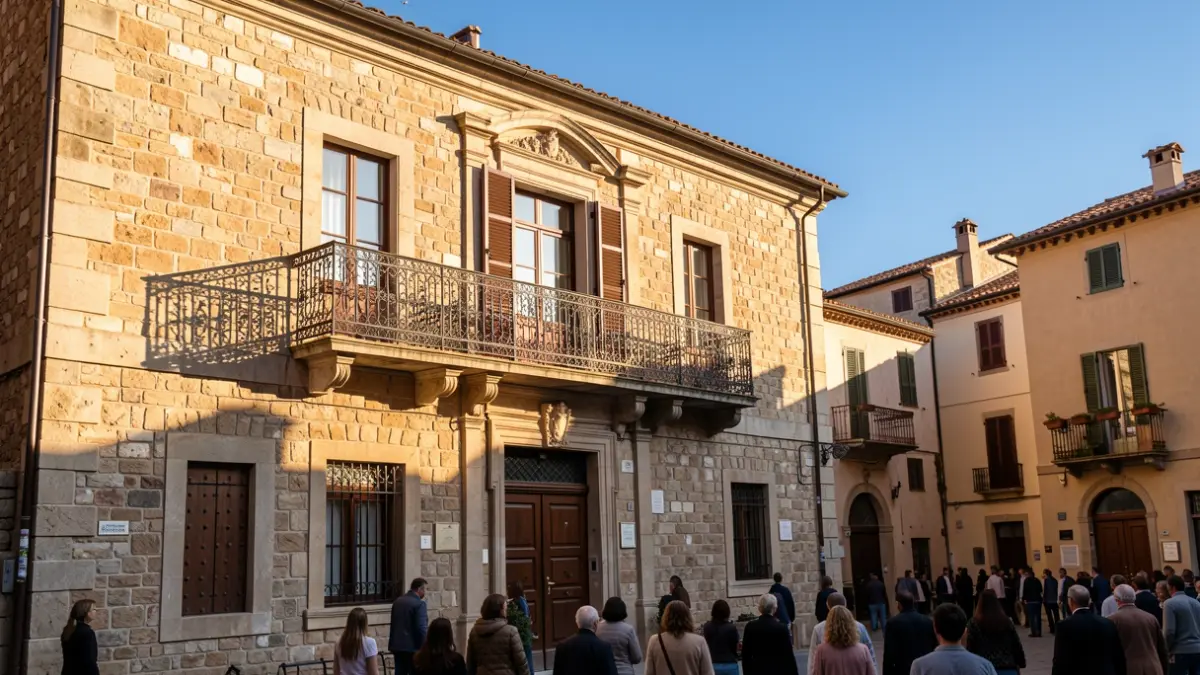
Recently, two new contributions from Alt Empordà have emerged, illustrating the richness of Dalí's study. The writer Mònica Soler has investigated an unknown essay of Mariana Pineda by Federico García Lorca, with sets painted by Salvador Dalí, in Can Met de Palau-saverdera. This performance would have taken place before the official premiere at the Teatre Goya in Barcelona on Saint John's Day in 1927. Soler's article highlights the friendship between Dalí and Lorca, the poet's stay in Cadaqués, and the role of Jaume Canals, known as 'en Met de Can Met'.
In parallel, the journalist Josep Playà has presented in Roses research on the importance of this town and its bay in Dalí's artistic development. Traditionally, the artist has been linked to the triangle formed by Figueres, Cadaqués, and Púbol. However, Playà, based on Dalí's family biography, his writings in Un diario 1919-1920. Mis impresiones y recuerdos íntimos, and the analysis of works such as La pesca de la tonyina (1966), argues that Roses was a key space for understanding the work and personal universe of Salvador Dalí i Domènech.