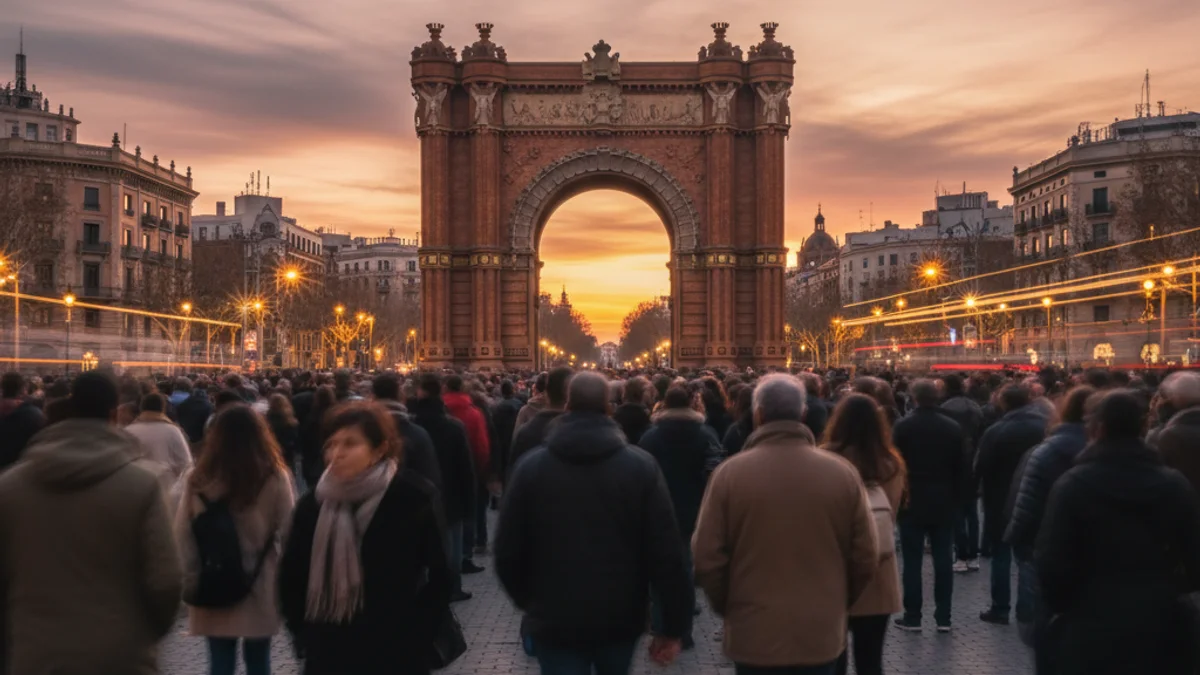
A failed meeting at the Arc de Triomf in Barcelona recently sparked global interest in the therian movement. These individuals identify with animals such as wolves or cats, adopting their behaviors. Experts suggest this is less about literal belief and more about expressing complex emotions in the digital age.
“"This trend is fueled by the idea that biology does not necessarily dictate identity."
According to Ingrid Mulero, the rise of this identity is linked to a crisis in traditional social structures. In a postmodern world, individuals often seek to build their own identities through symbols. Social media acts as an amplifier, providing the public validation that these subjective experiences often require.
While Maria José Valiente emphasizes the importance of respecting personal feelings, she also notes that biological and legal boundaries remain essential for collective life. The phenomenon highlights a deep human need for belonging and finding a unique place in the world.