The downfall of iRobot, creator of the Roomba, which will be effectively controlled by a Chinese giant by February 2026, is not merely a market failure. It is the consequence of the “Roomba Principle,” which describes how sustained offshoring of production to “industrial colonies” can lead to an accumulation of knowledge and technological capacity in those territories.
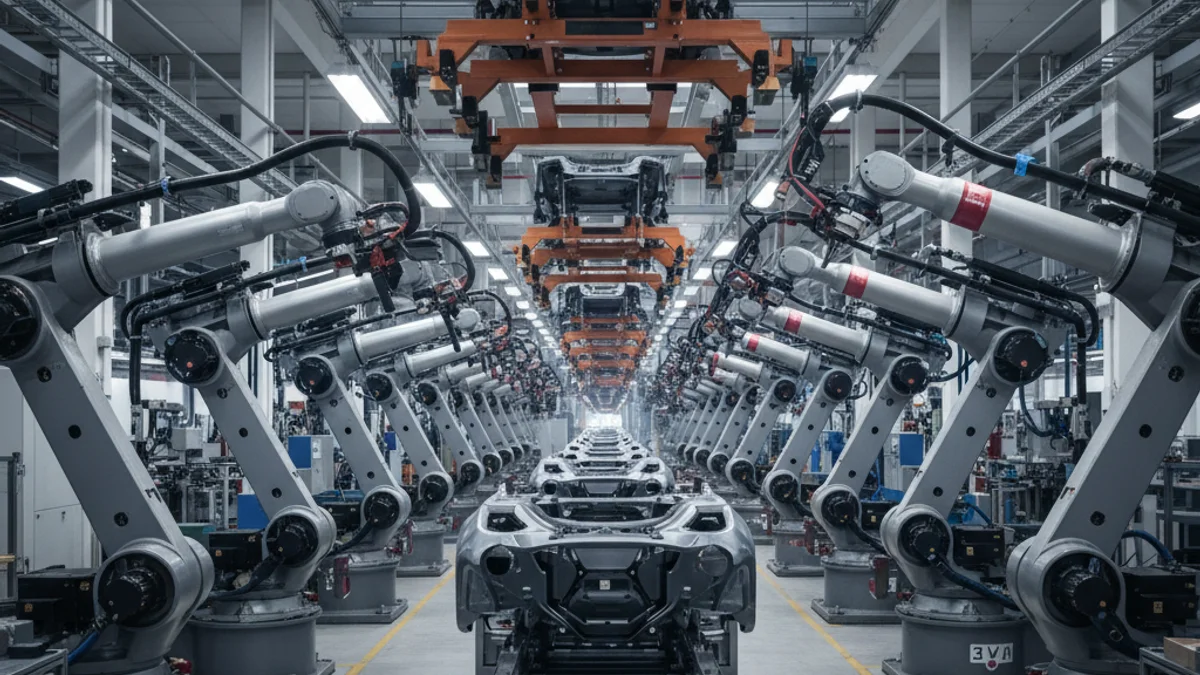
For decades, the Western strategy relied on the premise: “We provide the design, and China provides the labor.” While iRobot focused on marketing from Boston, Chinese companies like Roborock mastered “process innovation,” optimizing assembly lines and turning production itself into a competitive advantage.
Data from the ASPI Critical Technology Tracker 2025 (an analysis center based in Australia) confirms this trend: China leads in 66 of the 74 critical technologies set to define the 21st century. This advantage is no longer limited to hardware but extends to the algorithms and language models that will power future machines.
One of the most valuable assets iRobot transfers to Shenzhen is its precise digital mapping data, covering over 25 million Western homes. This database, foundational for the future smart home, has moved from Massachusetts to the hands of Washington's main rival, highlighting a strategic failure by elites who prioritized immediate profits.
The reaction of the United States, with escalating tariffs since the Trump administration, proved erratic and counterproductive. This policy pushed companies like iRobot to move production to Vietnam, only to be penalized later by new tariff rounds. The “Roomba Principle” concludes that sovereignty is no longer decreed from an office; it is manufactured on the factory floor.