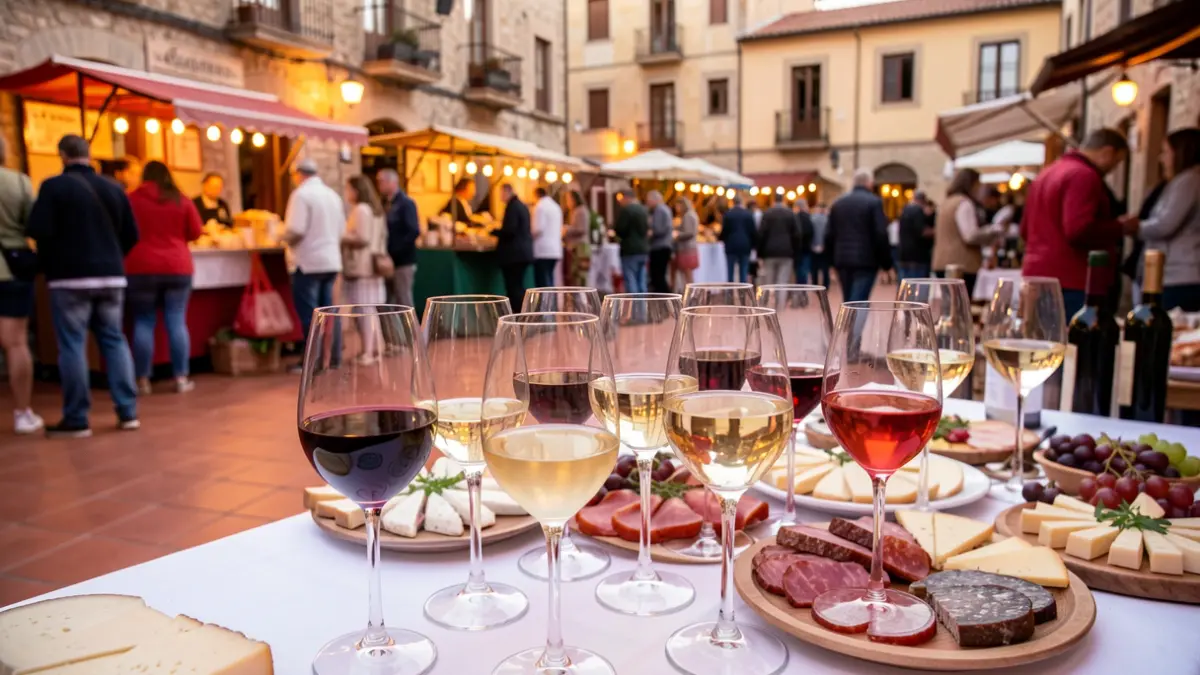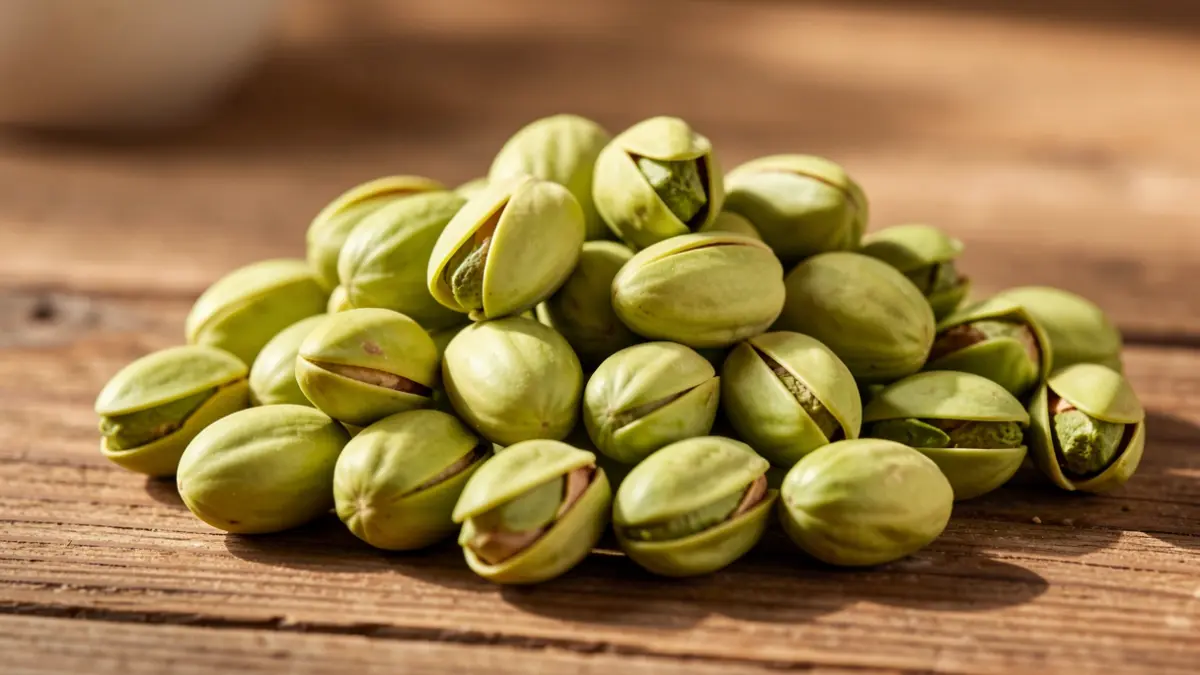
The presence of pistachios has surged across a variety of products, from chocolates and ice creams to pastries and social media feeds. This phenomenon has captured the attention of experts like Enric Tomàs, a journalist and marketing specialist who founded the educational channel PistachoToday. Tomàs analyzed the trend at the Fira Àpat in Sabadell, highlighting pistachios' potential from geopolitical, economic, nutritional, and gastronomic perspectives.
According to Tomàs, pistachios are "very healthy, caloric, and protein-rich," characteristics that align with current consumption trends. Furthermore, their "highly Instagrammable green color" gives them significant potential for virality on digital platforms. The chocolate and pistachio combination, popularized by food influencers, has generated global demand, being merely "the tip of the iceberg" of a deeper interest.
Historically, pistachio cultivation in Spain dates back to Roman times, although a key characteristic of their pollination (the need for male and female plants) was not understood for a long time, leading to the felling of many trees. Currently, planting pistachios can be a "very profitable investment" starting around 8 years, with a crop that requires "little water" and can generate "a lot of money" if managed properly.
Regarding the trend's longevity, Tomàs suggests that while the initial "furore" may subside, the presence of pistachio lines from major ice cream brands indicates that the product "will stick around," similar to the establishment of soy milk in the market.
Geopolitically, the pistachio has a long history, originating from Central Asia, with Iran and the United States (particularly California) as the world's leading producers. Turkey ranks third. Growing consumption in Asia creates demand that outstrips supply. In Spain, production has seen significant growth, especially in Castilla-La Mancha (3,000%), and with historical presence in Catalonia (Reus and Lleida), thanks to climates with hot summers, low humidity, and cold winters. The price per kilogram ranges between 6 and 12 euros depending on quality.
The pistachio has been considered a "premium" product throughout history, appearing in the royal gardens of Babylon, brought by Alexander the Great, and mentioned in the Bible. The term "pistachio" is accepted by the Institut d'Estudis Catalans, with Persian and Greek roots, while "festuc" (Catalan for pistachio) comes from Arabic. In China, it is known as "the nut of happiness."