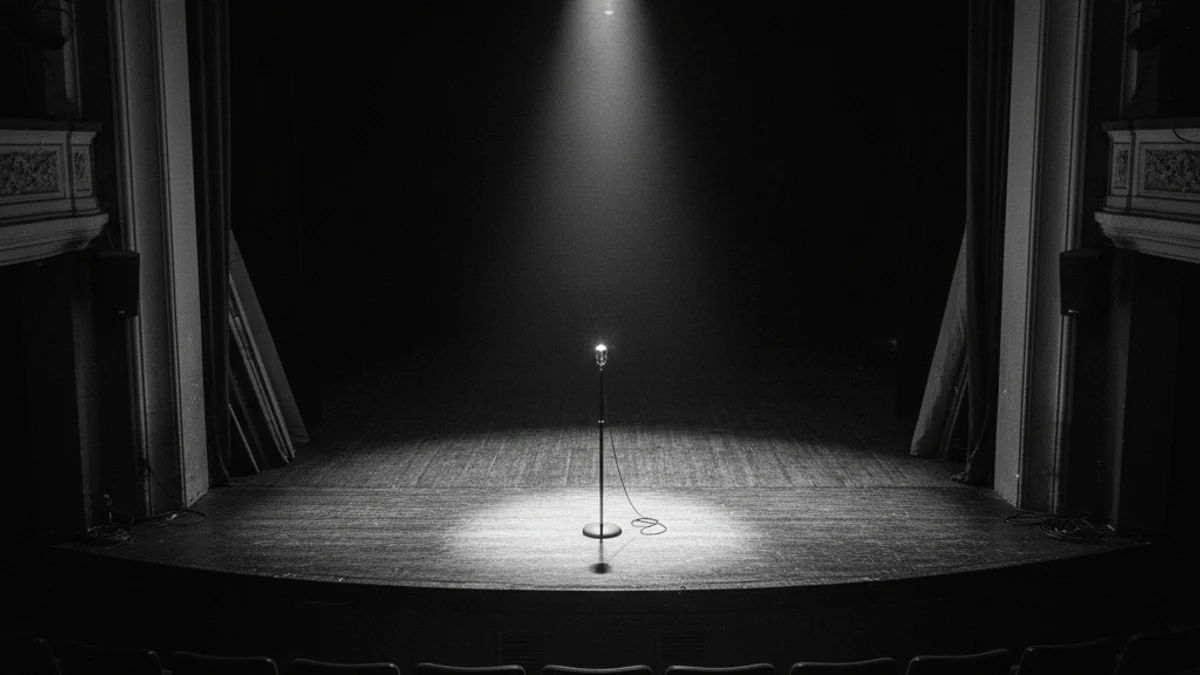
The analysis of the programming recently presented at the Roses Municipal Theater points to a lack of coherence and solidity, giving the impression of being a collection of titles that prioritize commercial success. This selection is based on works that already function widely, without incorporating creative risk.
In a municipal theater, it is totally legitimate to program shows that ensure the audience and fill the hall, but this cannot be the only compass.
Critics argue that, while the strategy of filling the hall is efficient, it turns the space into a place of exhibition rather than discovery, limiting its transformative potential. Therefore, a stronger commitment is requested for contemporary dance, creative circus, new dramaturgy, and connection with the Alt Empordà territory.
It is proposed that the municipal theater should 'activate' local and regional culture, providing space for emerging talent, promoting co-productions and residencies. The goal is to transform the venue into a platform that helps both creators and audiences grow, avoiding being just a container.
Finally, it is suggested that the unused spaces in the building, such as empty rooms and offices, should be converted into workshops, laboratories, rehearsal spaces, and meetings with professionals, so that the Roses Theater is full of life beyond the scheduled performances.