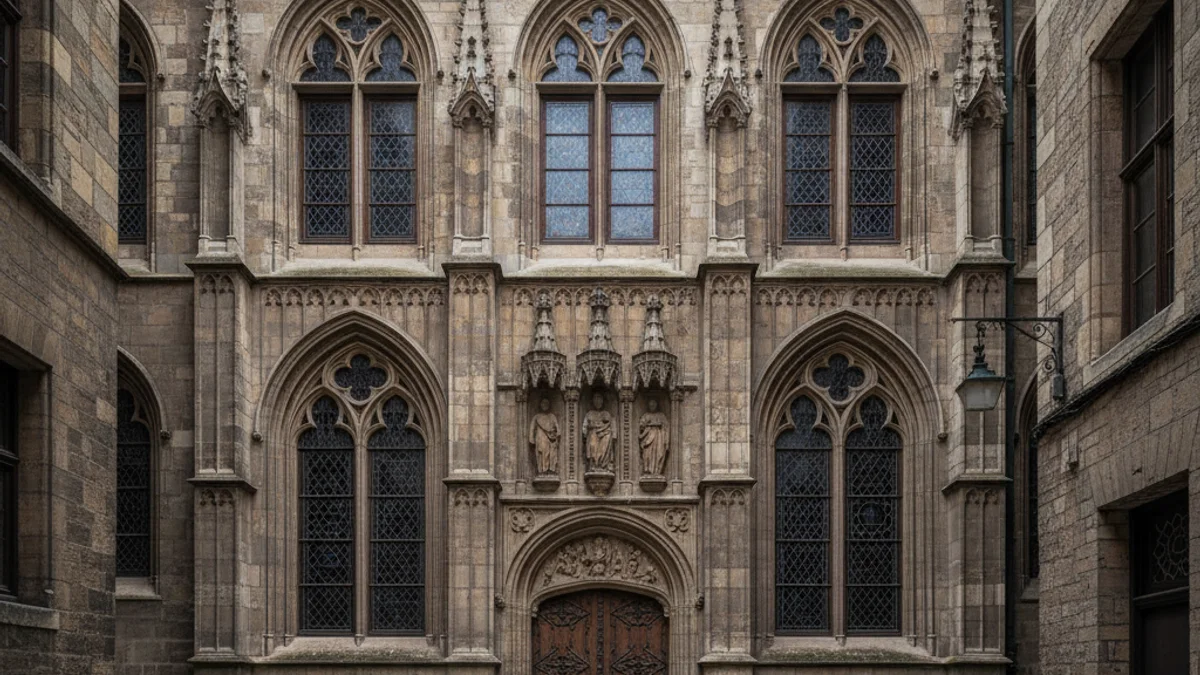
This commitment to decentralizing research and innovation in rural environments will be integrated into the applied research network of the Institute of Agri-Food Research and Technology (IRTA), which already has 20 centers distributed throughout Catalonia. The chosen location is the historic ca l'Armenter building, situated at carrer dels Canonges 15 in the capital of Alt Urgell.
The transfer of the building to the Generalitat will be formalized with the unanimous approval of all municipal groups in the Plenary of the La Seu d'Urgell City Council, scheduled for this Monday. The center will be officially presented at an institutional event on February 19.
“"This new center is a unique opportunity for the Pyrenees, as it will become a link between the productive sector, the scientific community, and the administrations."
The main objective is to maintain agricultural activity, promote local gastronomy, and revalue local products and by-products within a circular economy model. The counselor added that IRTA, with over forty years of experience, “is a reference center that integrates a global vision with a clear territorial rooting.”
The ca l'Armenter building is a Gothic architectural gem from the 14th-15th centuries, popularly known as the house of Pope Luna (Benedict XIII), although there is no evidence linking it directly to the schismatic pope. The building holds special historical value for having been the residence of the Bishop of Urgell Pere de Luna.