The Via Romànica is a route that extends from Perpignan, in Roussillon (Northern Catalonia), to Bassella, on the southern border of Alt Urgell. This route follows a natural corridor linking the valleys of the Tet river and the Segre river, crossing the regions of Roussillon, Conflent, Cerdanya, and Alt Urgell.
The Pyrenean area covered by the Via Romànica possesses common cultural roots dating back to the beginning of the Middle Ages, featuring hundreds of Romanesque monuments.
The architectural complex of Alt Urgell includes over a hundred monuments, mostly religious in nature. The Via Romànica is divided into eight itineraries, with Itinerary 7 passing through Oliana, Peramola, and Bassella.
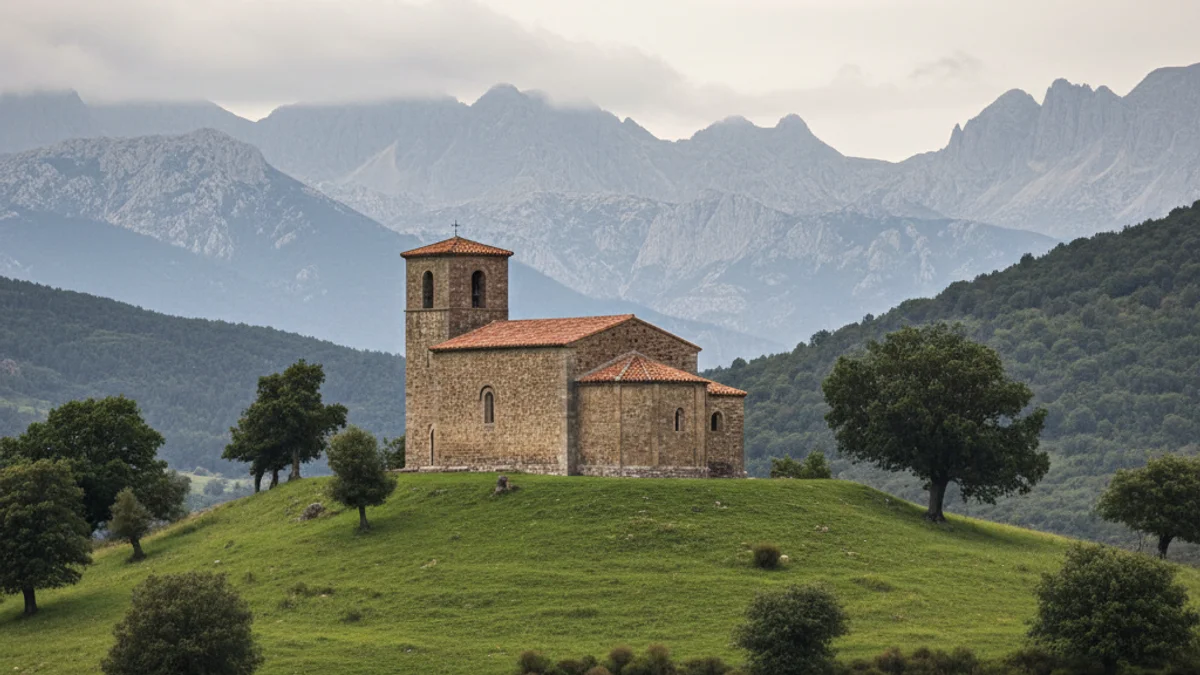
This section includes historically valuable buildings such as the church of Sant Miquel de Peramola, the church of Santa Maria de Castell-llebre, and the church of Sant Andreu del Castell. Within the municipality of Bassella, the church of Sant Serní de la Salsa (Ogern) stands out, being of Romanesque style and recently restored, documented since the year 1025.
In addition to the rich religious heritage and the Medieval Bridge of Ogern, Bassella offers other tourist attractions such as the Museu Moto Bassella and specialized 4x4 vehicle circuits, aimed at thrill-seekers on challenging terrain.