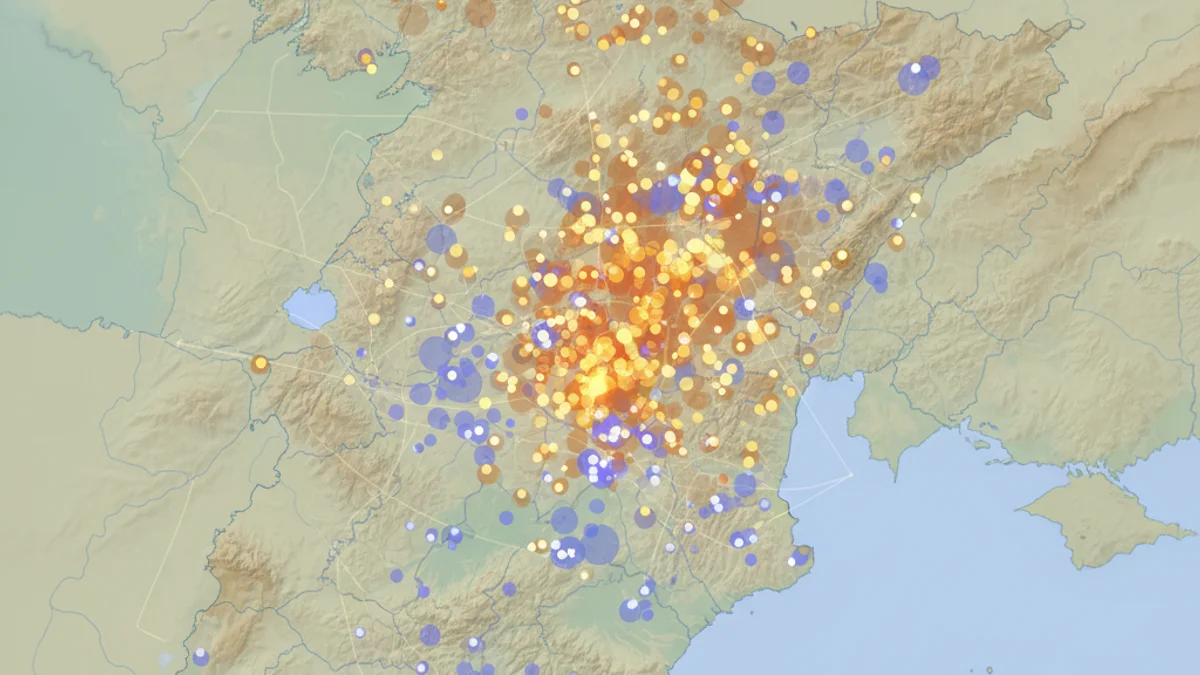
The EULP data shows that the percentage of citizens who use Catalan as their habitual language has dropped from 36.1% recorded in 2018 to 32.6% in the latest study from 2023. This downward trend is reflected across all territorial areas, with the sole exception of the Comarques Centrals (Central Regions), where the percentage remains stable.
The area with the most habitual speakers remains the Terres de l’Ebre, with 66.8%, although it has also suffered a considerable drop compared to the 72.2% recorded in the previous survey.
Regarding local use, the Ofercat study from 2024, focused on commerce in Igualada, shows that 60.5% of staff initiate conversation in Catalan. However, the restaurant and hotel sector breaks this dynamic, as 64.2% of gastronomic and hotel establishments in the city use Spanish as the main greeting language.
Furthermore, the Igualada report indicates that less than half of the restaurant staff can serve in Catalan even if the client requests it, and 34.3% of customer service personnel in this sector do not even understand the language.
Despite the decrease in habitual use and language of identification, the only positive aspect is the knowledge of the language. Between 2018 and 2023, Catalan gained 267,600 knowledgeable speakers, indicating that more people know how to understand, speak, read, and write it, but choose not to use it.