Spring marks an increase in monitoring and protection actions for the capercaillie, an emblematic Pyrenean bird listed as endangered. The Department of Territory, Housing and Ecological Transition, along with the Corps of Rural Agents, is implementing new measures to ensure the survival of this vulnerable species.
One of this year's main innovations is the remote monitoring of areas inhabited by the capercaillie. Camera traps will be installed with informational signs to detect unauthorized human access to sensitive zones. This surveillance will be intensified during the breeding season and winter, critical periods for the species' biology.
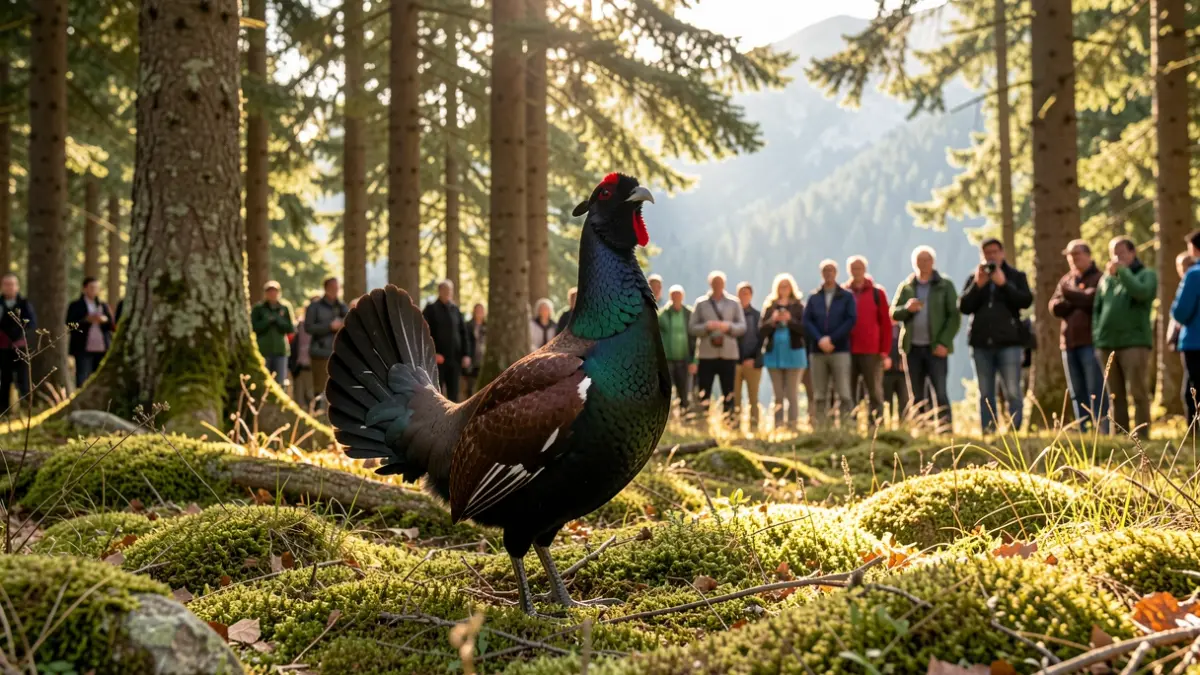
The capercaillie is extremely sensitive to human disturbances. During spring, when males gather for their lekking displays, human presence can cause stress, affecting reproduction and reducing fertilization chances. Current Catalan regulations impose fines of up to 3,000 euros for intentional disturbance of endangered species.
Since the 1980s, the Generalitat de Catalunya and the Conselh Generau d’Aran have collaborated in monitoring to identify the capercaillie's limiting factors. Studies indicate that nest predation by mammals such as the pine marten, stone marten, and red fox, whose populations have recovered, is a key factor to address. This predatory pressure adds to other anthropogenic threats.
To combat predation, the Department of Territory is strengthening lines of work to reduce the impact on eggs. The effectiveness of deterrent feeding is being evaluated by providing alternative food sources to predators to lessen pressure on nests. This measure has shown success in Scotland, increasing chick survival by up to 130%.
Other measures implemented in collaboration with the Conselh Generau d’Aran include population monitoring, delimitation of critical areas, ensuring compatibility with forestry activities, habitat improvements, management of public use (signage and route modifications), and awareness campaigns.
Efforts also include removing obsolete cables and marking in-use cables to prevent collisions, as well as studying the impact of chemical contaminants and pathogens. These actions are coordinated with neighboring territories and are part of the state working group and the Capercaillie Research Network in the Pyrenees, involving Andorra and France.
An awareness campaign, particularly targeting the naturalist and photography community with the slogan “Let them sing!”, urges people to avoid photographing capercaillies during the breeding season. The Corps of Rural Agents calls for collective responsibility to protect this species.
The capercaillie, listed in Annex I of the Birds Directive and classified as endangered, faces a critical situation. The 2025 census in Catalonia estimates only around 245 males, a 58% decrease in 20 years, with a greater than 50% probability of extinction in the next 40 years if threats are not mitigated.