Barcelona is preparing for a historic visit by the Pope on June 9 and 10, with an unprecedented security and mobility operation involving various administrations and emergency services. Traffic restrictions will begin on Monday, June 1, and will particularly affect areas such as Ciutat Vella, Montjuïc, and the surroundings of the Sagrada Familia.
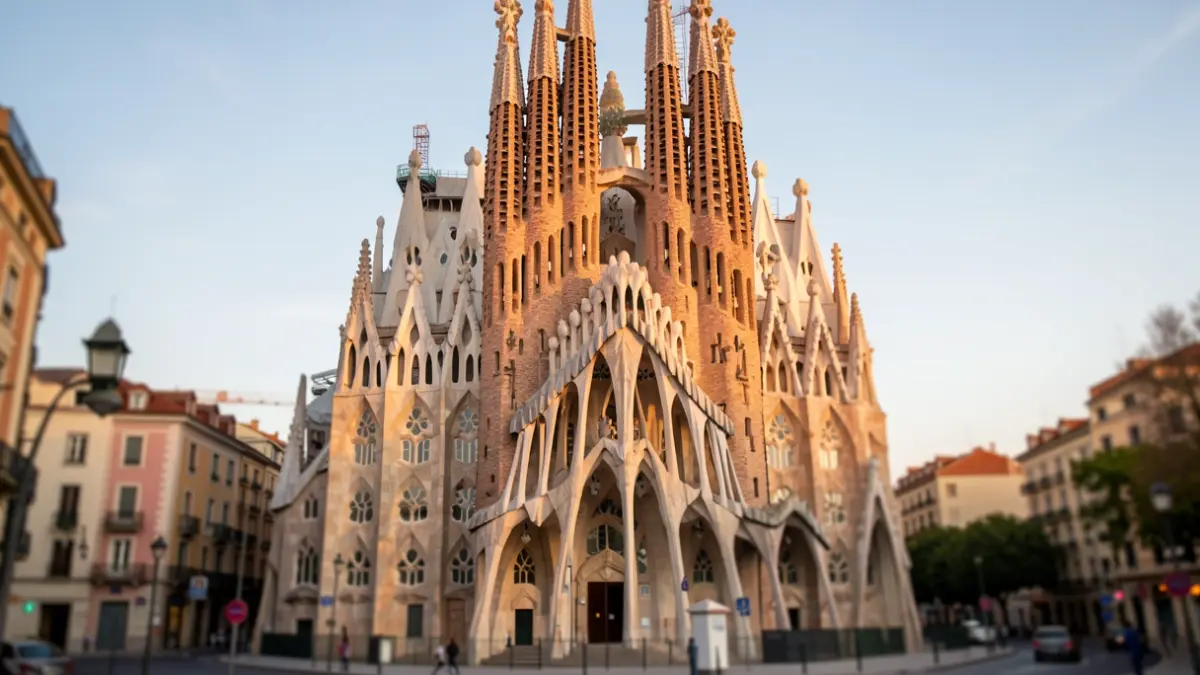
The Pontiff will undertake a journey of approximately one kilometer in the popemobile along Rosselló street, which will be completely secured on the 10th with three access points controlled by the Mossos d’Esquadra. The area around the Sagrada Familia, including nine city blocks, will be designated a high-security zone, with restricted access for residents and accredited personnel.
The Sagrada Familia metro station will be closed to the public for the entire day of the 10th, although trains will pass through without stopping. The use of public transport is recommended for getting around the city, with increased frequencies planned by TMB on several lines. Large screens will be installed in Glòries and Arc de Triomf to follow the events.
The visit also includes events at the Cathedral, the Raval, and the Olympic Stadium, where thousands of people are expected. In Montserrat, access to the mountain will only be possible by public transport (Ferrocarrils, Cremallera, and Aeri), given the expectation of 8,000 attendees.
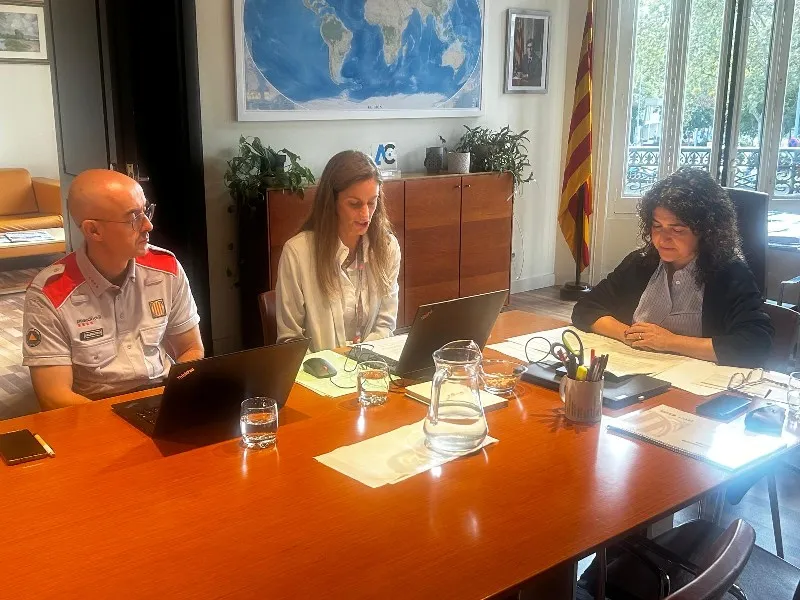
The security operation by the Mossos d’Esquadra will involve 5,600 officers and a 24-hour coordination center. The Minister of the Interior, Núria Parlon, emphasized that the objective is to guarantee security and the normal functioning of life in the affected areas. The Sant Pau Hospital will serve as the reference medical center.