The analysis begins with the example of a school made of temporary modules in Manresa, which the author describes as a symptom of poor planning and slow reaction in a country with a high per capita GDP. Although acknowledging that educational quality depends on teachers, the presence of modular classrooms is considered "unthinkable" in an advanced economy.
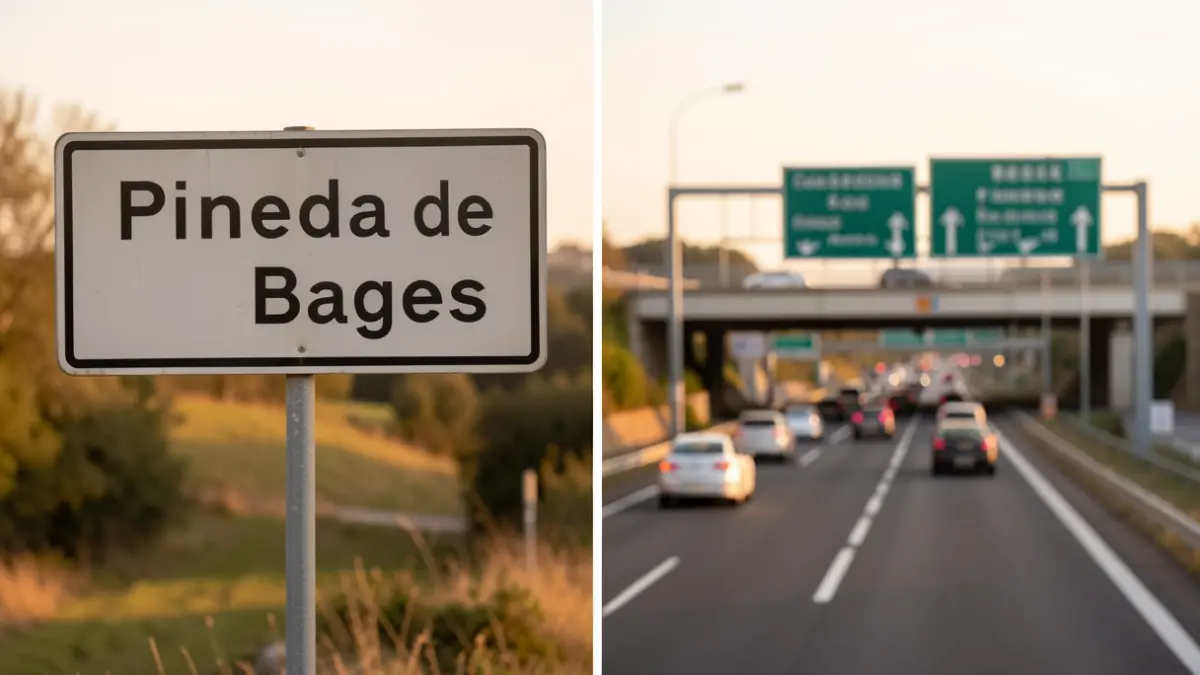
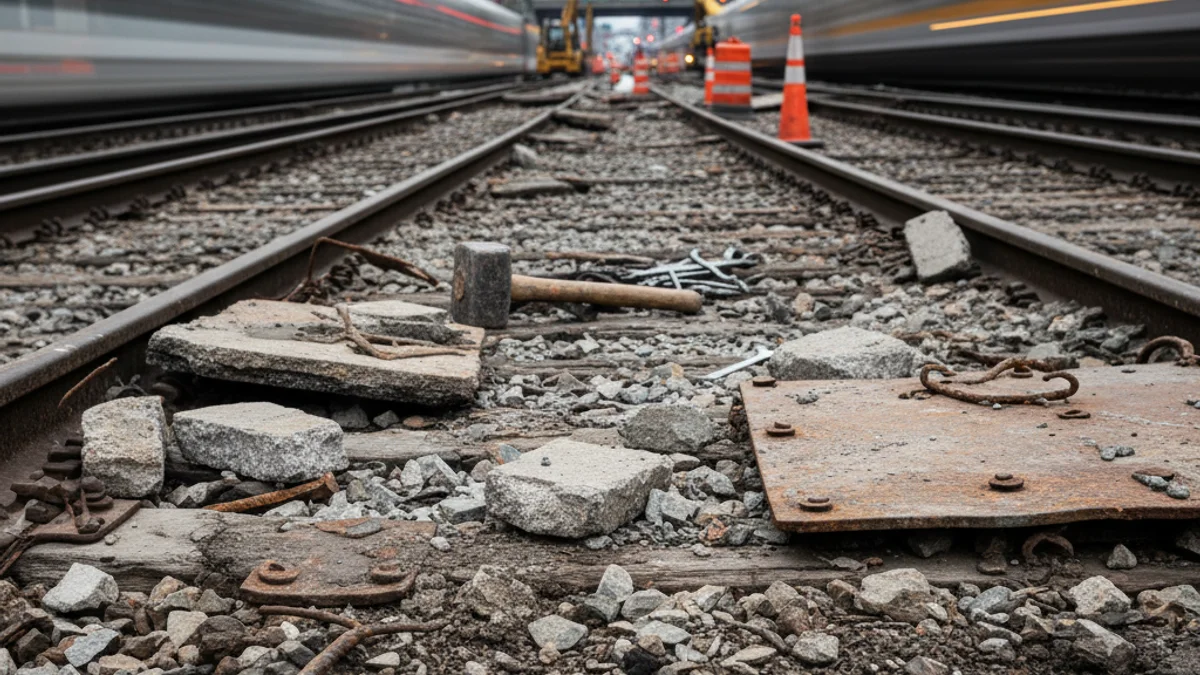
The text highlights the warning from geologists about the increase in landslides and earth movements, which have multiplied by four due to repeated rains. This vulnerability is reflected in the Rodalies network, where stops to inspect Adif tunnels and trenches reveal dozens of dangerous points. Furthermore, the highway connecting the country suffers constant traffic jams and accelerated pavement degradation since tolls were removed.
The lack of solution to structural problems is attributed to political paralysis, caught between those who stake everything on independence that they do not know how to achieve and those who do not dare or do not want to confront their Spanish coreligionists.
Finally, the article addresses the demographic crisis, with a negative natural growth rate, and criticizes those who reject immigration, warning that this stance would lead to a "society of retirees" without a workforce. The situation of the social use of Catalan is also lamented, especially in the metropolitan area, where it is considered to be "beyond the limit: it is collapsing."