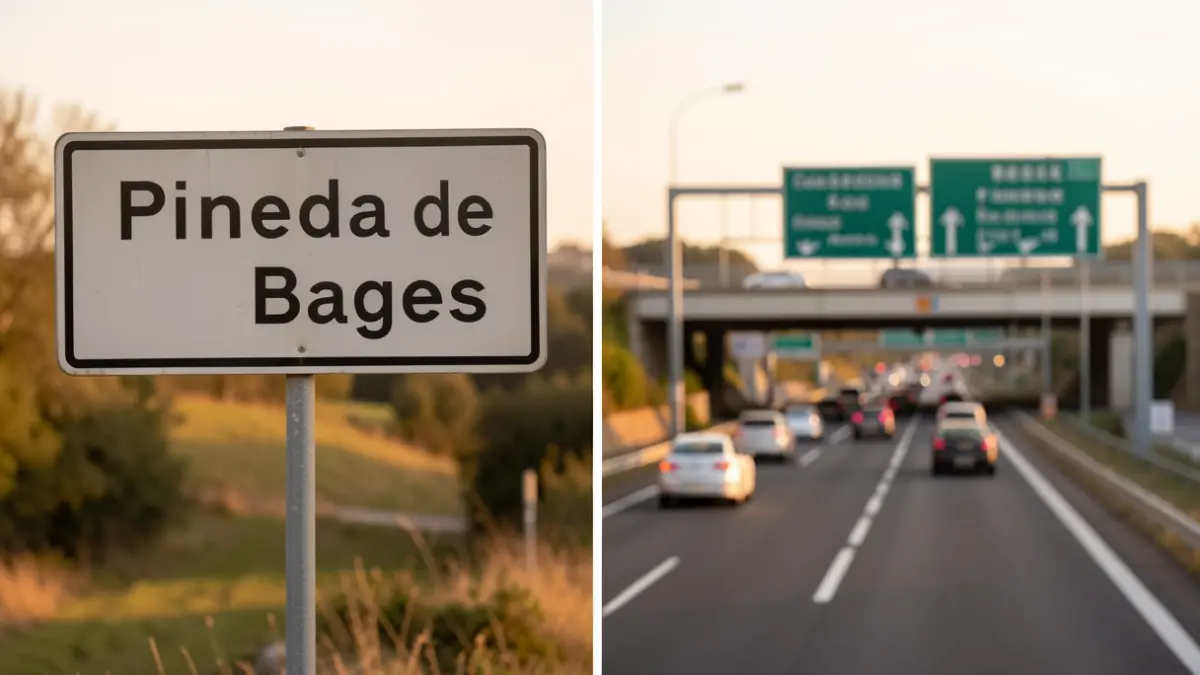
According to estimates by notary Borja Morgades, delegate of the notarial district of Manresa (covering Bages and Moianès), one in ten wills formalized in the region results in disinheritance. This practice has been clearly increasing «for six or seven years», in an area where more than 3,000 wills are signed annually.
The increase is attributed to the revision of succession law approved by the Parliament of Catalonia in 2008. Law 10/2008 introduced a new cause for depriving heirs of the llegítima (the quarter of the estate reserved for children or parents): «the manifest and continuous absence of family relationship between the deceased and the forced heir», provided it is exclusively attributable to the heir.
“"It is a very hard figure to deal with. People regret, despite everything, having to use it. I have had people crying in the office when formalizing it."
This cause, considered «much less painful» than previous grounds (such as severe abuse or denial of support), has become the main reason. Notary Morgades states that only one in ten disinheritances he formalizes is for a cause other than lack of relationship. Often, this general cause hides underlying issues like neglect during illness or hospitalization, or even unproven abuse.
The rise in life expectancy and the increased need for care for the elderly, often unmet by children, has also contributed to the rise of this figure, typically used by «people aged seventy or older». After the testator's death, the disinherited heir can challenge the will. In this case, the heir must prove the existence of the alleged cause, a fact that can lead to complex legal disputes.