The R4 line section between Manresa and Terrassa has experienced weeks of chaos since the fatal accident in Gelida, with normal circulation interrupted and replaced by buses and shuttle trains requiring transfers at the Terrassa station.
However, during the three days of the train drivers' strike (February 9, 10, and 11), the line resumed almost complete routes from the capital of Bages to Barcelona, L'Hospitalet, and Martorell, without the need for transfers, albeit with reduced frequency due to minimum services.
The paradox lies in the fact that, once the strike is called off, alternative buses and shuttle trains are expected to return, eliminating the direct service.
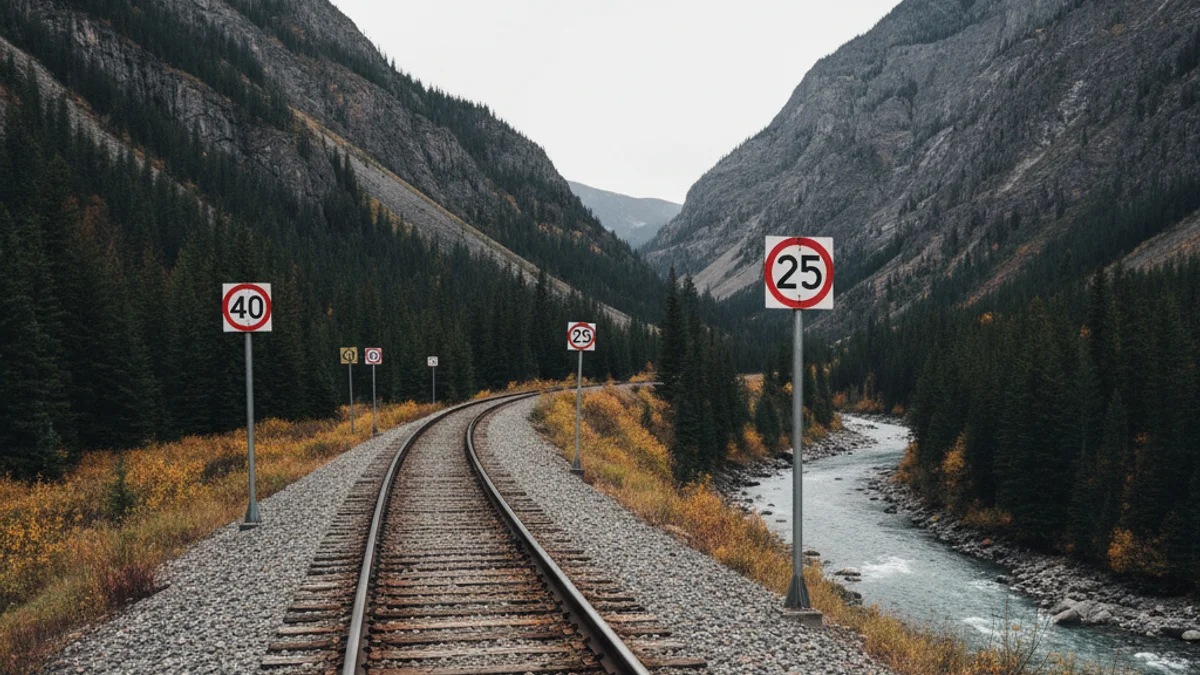
Sources from Renfe explain that the key is the combination of minimum services with speed restrictions imposed due to risk points on the network. The low frequency of trains during the strike (66% less during peak hours) allowed the necessary fluidity despite the reduced speed.
If the network were to operate with the usual full train offering, the current speed limitations would cause a total collapse, which is why the shuttle service and alternative buses must be maintained until infrastructure problems are resolved.