Farmers in Camp de Tarragona, represented by Unió de Pagesos, have escalated their demands due to the severe water crisis particularly affecting hazelnut cultivation. Protests, such as the one held on January 19 in front of the Aigües de Reus headquarters, highlight the need for immediate measures to prevent the sector's collapse.
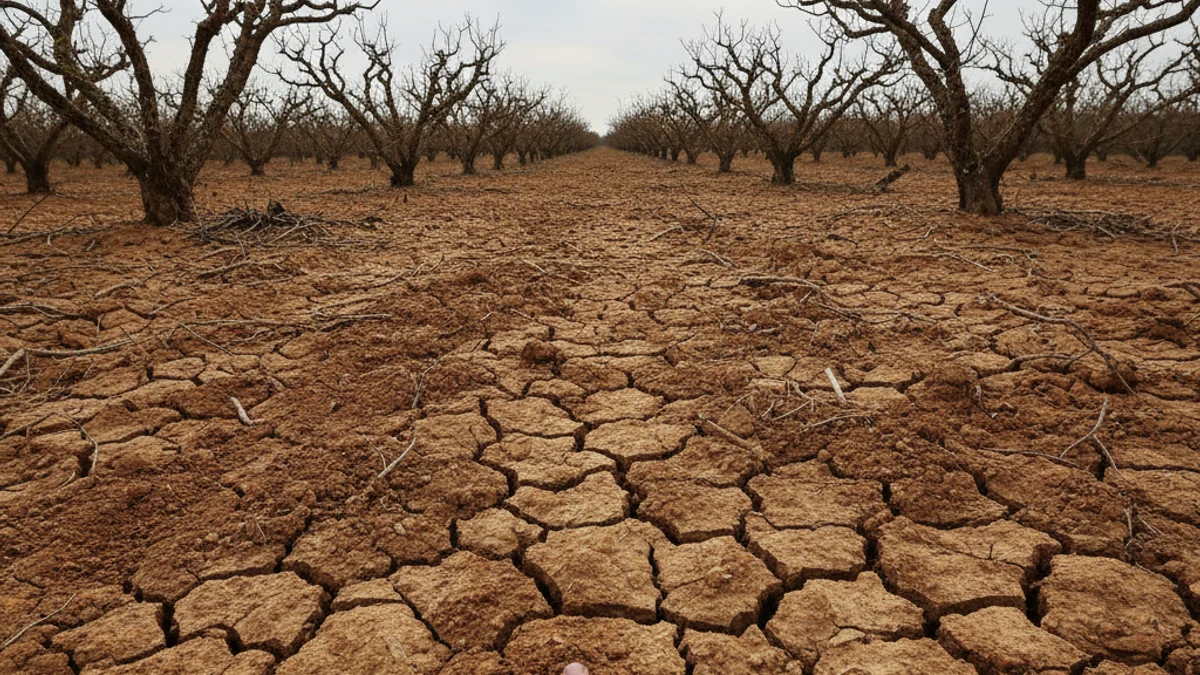
The extreme drought of 2023 and 2024 has caused the massive death of hazelnut trees, drastically reducing local production. This situation forces processing professionals to purchase hazelnuts from countries like Turkey to sustain their businesses, while many families in Camp de Tarragona dependent on this crop are forced to shut down.
The priority of agricultural water use must be a state policy to guarantee the survival of the peasantry, which is essential.
The union harshly criticizes the delays by the Administration, especially regarding the aid promised by the Agriculture department for the uprooting of dead trees, whose resolution has not yet been published. Furthermore, Unió de Pagesos demands that the Government guarantee regenerated water for irrigation from the Reus wastewater treatment plant, a project currently slated for the end of this decade.
Another key demand is access to water for areas like Priorat. The union argues that since the Riudecanyes reservoir (which irrigates 1,800 hectares of hazelnut trees) has been unable to supply farmers, water from the Siurana-Riudecanyes system must be released exclusively for agricultural use, as municipalities and private companies have alternative sources.