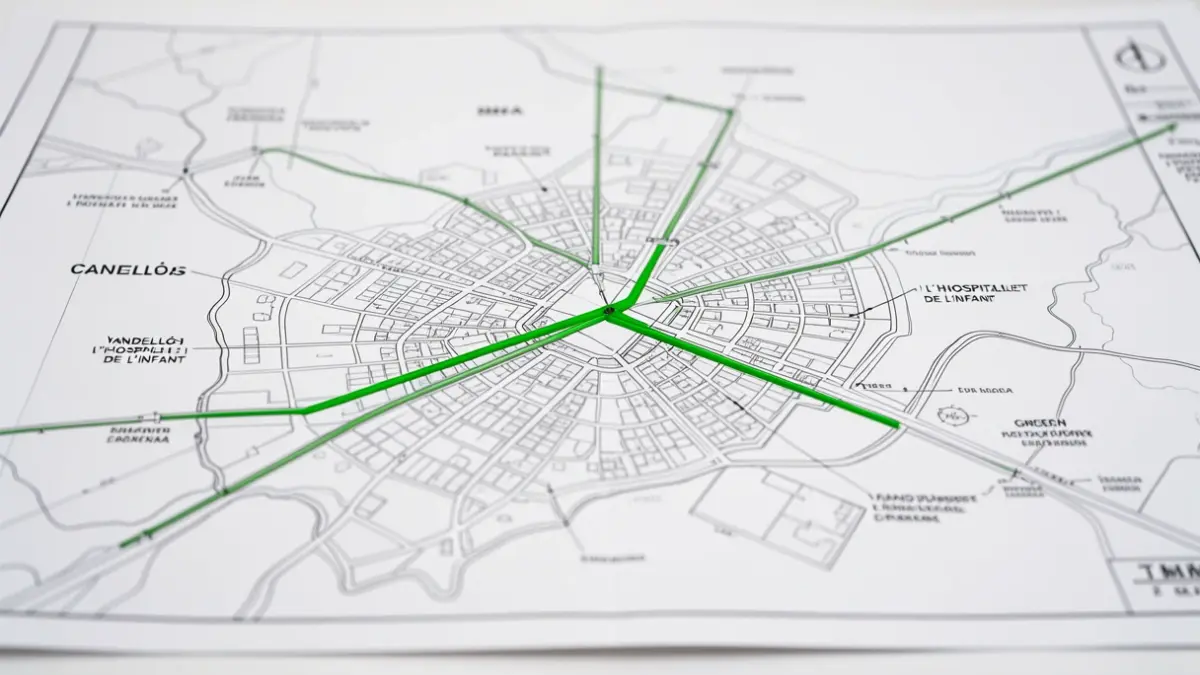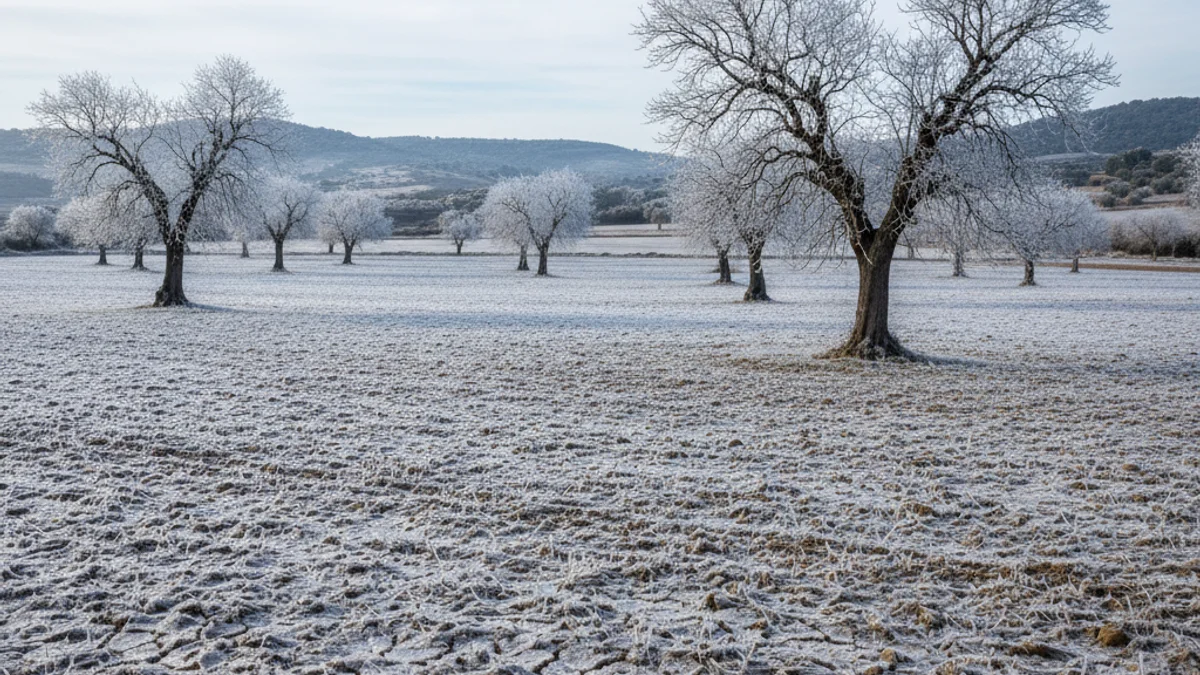
That episode seven decades ago remains the most extreme of the 20th century in the Northern Hemisphere. For three weeks, Siberian air masses plummeted temperatures across Europe. In the Tarragona region, the cold became particularly severe starting on February 2nd.
Official records show minimums of -5.6 °C in Vila-seca and -7.5 °C in Cambrils. In the Pyrenees, the absolute record for the Iberian Peninsula was set at Estany Gento with a staggering -32 °C.
“"It was so cold that the milk froze inside the containers while walking through the streets of Reus."
The economic impact was devastating, killing resilient trees like carobs and olives, which accelerated rural depopulation. Even in the Ebro Delta, the lakes of Buda Island turned into solid blocks of ice.