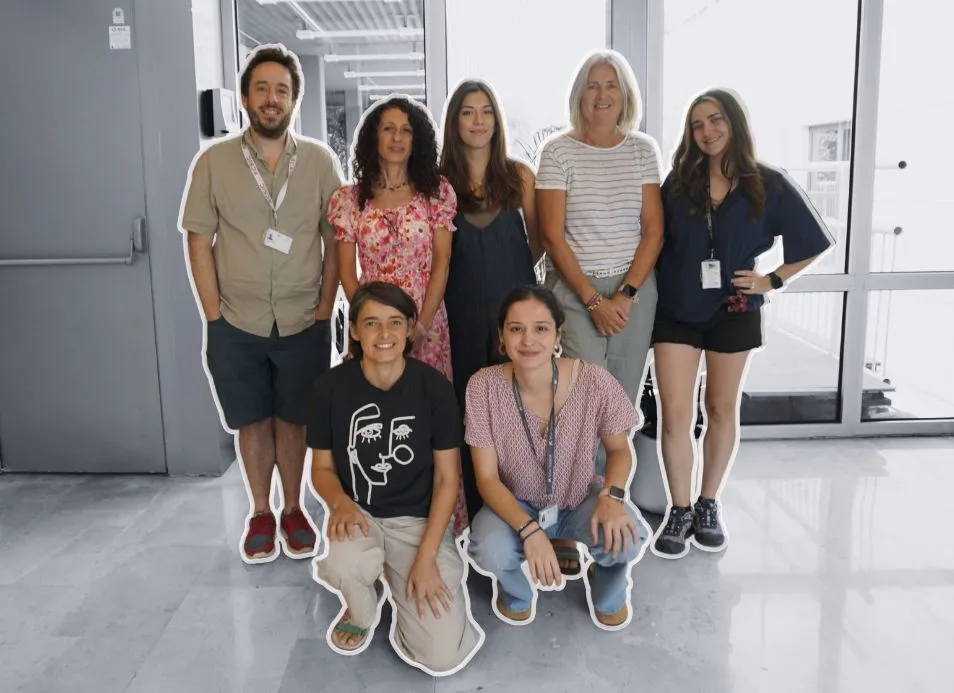
The IRB CatSud, through the Oncological, Translational, Epidemiological and Clinical Research Group (GIOTEC) at the Sant Joan de Reus University Hospital, is co-leading a key workstream in the European project CancerWatch. This project, funded with 13 million euros by the EU4Health program and scheduled from 2025 to 2028, aims to enhance cancer intelligence in Europe by optimizing data quality and updates while maintaining affordable costs.
After its first year, CancerWatch has completed a survey of 192 European cancer registries, the largest conducted to date. This initiative has also strengthened the data and systems underpinning the European Cancer Information System (ECIS), the primary source of comparable cancer statistics. Updated statistics are expected to be available before the end of 2026, offering a more precise picture of the cancer burden, including new estimates on survival and prevalence.
Manola Bettio, from the Joint Research Centre of the European Commission, highlights that CancerWatch is improving the timeliness and quality of European cancer indicators through the efficient use of recent cancer registry data. She emphasizes the added value of the project's innovative methods and tools for deriving survival and prevalence indicators quickly, harmonized, and comparably, allowing for the assessment of country progress and the effectiveness of health policies.
Vesna Zadnik, head of the Slovenian Cancer Registry and coordinator of the European survey, notes that for the first time, a comprehensive overview of how population-based cancer registries function across Europe is available. This allows for the identification of what is working well, where challenges persist, and where more support is needed to measure registry performance.
The project is part of the European Beating Cancer Plan (EBCP), the EU's most ambitious initiative to reduce the cancer burden. Population-based cancer registries provide the evidence needed to track cancer outcomes, identify inequalities, and evaluate the impact of prevention, screening, and treatment policies over time.
Over the next two years, CancerWatch will continue to work on AI-assisted cancer registration, common standards, and digital tools to make data collection more efficient, and prepare registries for the European Health Data Space. The goal is for Europe to monitor the cancer situation on the continent in near real-time.
Romana Jerković, a Member of the European Parliament, states that "Europe cannot manage what it does not measure" and that "without robust data systems to track progress and expose inequalities, the Beating Cancer Plan will not deliver the results Europe needs".