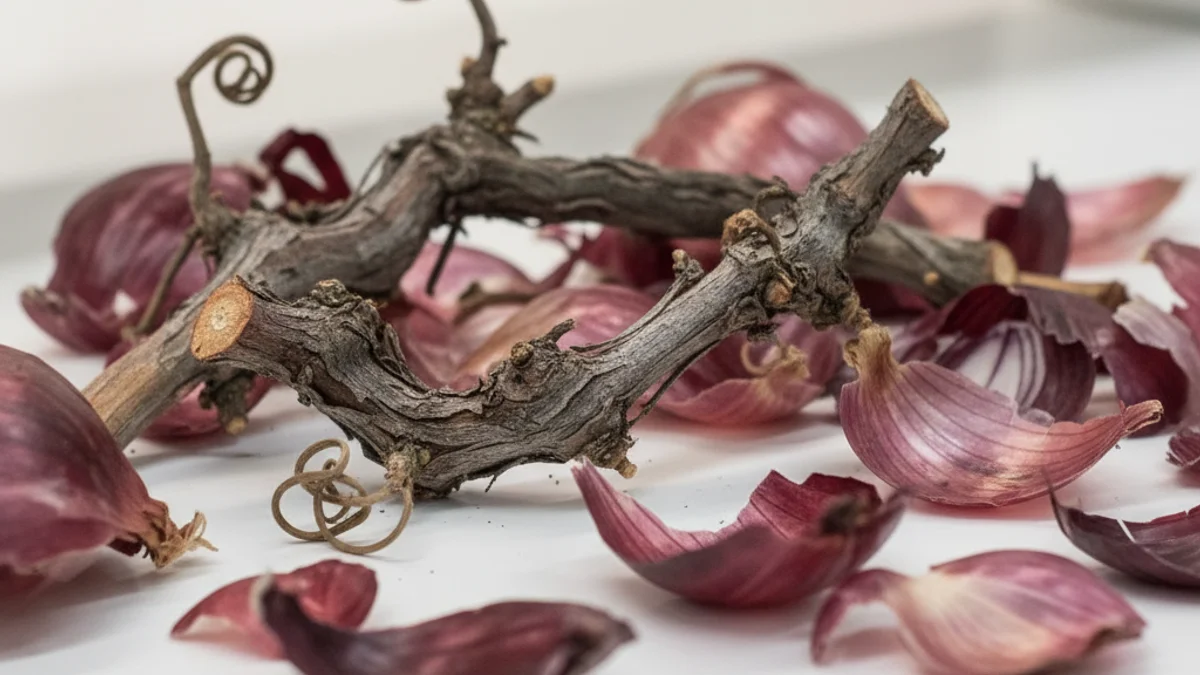
The extracts, rich in polyphenols and obtained from red onion skin, chicory leaves, and olive and vine prunings, have shown significant neuroprotective effects. These results, published in the journal Biomedicine & Pharmacotherapy, underscore the therapeutic potential of these agricultural by-products for treating neurodegenerative diseases, mainly due to their anti-inflammatory properties.
“"The next natural step will be to identify which specific components of the red onion skin and the rest of the extracts are responsible for the observed effects and how they behave in more complex models."
The research conducted by Eurecat Reus used two alternative models of neurodegeneration to test the extracts: an in vitro model based on human neurons and another using zebrafish larvae. The study is part of the Phenolexa project, which aims to revalue agricultural by-products containing high-value bioactive compounds.
According to Antoni Caimari, Director of the Biotechnology Area at Eurecat, this research line “will allow progress towards neuroprotective ingredients truly transferable to nutritional products with potential beneficial effects on mental and cognitive health.” Interest in recovering these compounds has grown significantly due to the push for the circular economy.