Lascorz, 33, has spent the last few days with the satisfaction of a job well done. While global attention focuses on the launch, he prepares to be another spectator from the Kennedy Space Center in Florida, where he has traveled from Houston, his usual workplace.
“"The work is done, and it's a good feeling because we've done it well. I'll be available if anyone needs me, but in reality, I'll be just another spectator, happy and very excited."
The Artemis II mission, which will not land on the lunar surface, aims primarily to verify the functioning of systems with a crew on board, a crucial step before future missions that will once again set foot on the satellite. Lascorz has been key in developing the imaging and voice systems, as well as the ground communication infrastructure that makes the launch possible.
His involvement in the project began years ago with the Exploration Ground Systems program. Since January 2025, at NASA's Johnson Space Center in Houston, he has served as manager of the EHP imaging systems, responsible for images on the lunar surface. Thus, he has played a dual role: enabling the mission from Earth and facilitating crew documentation once in space.
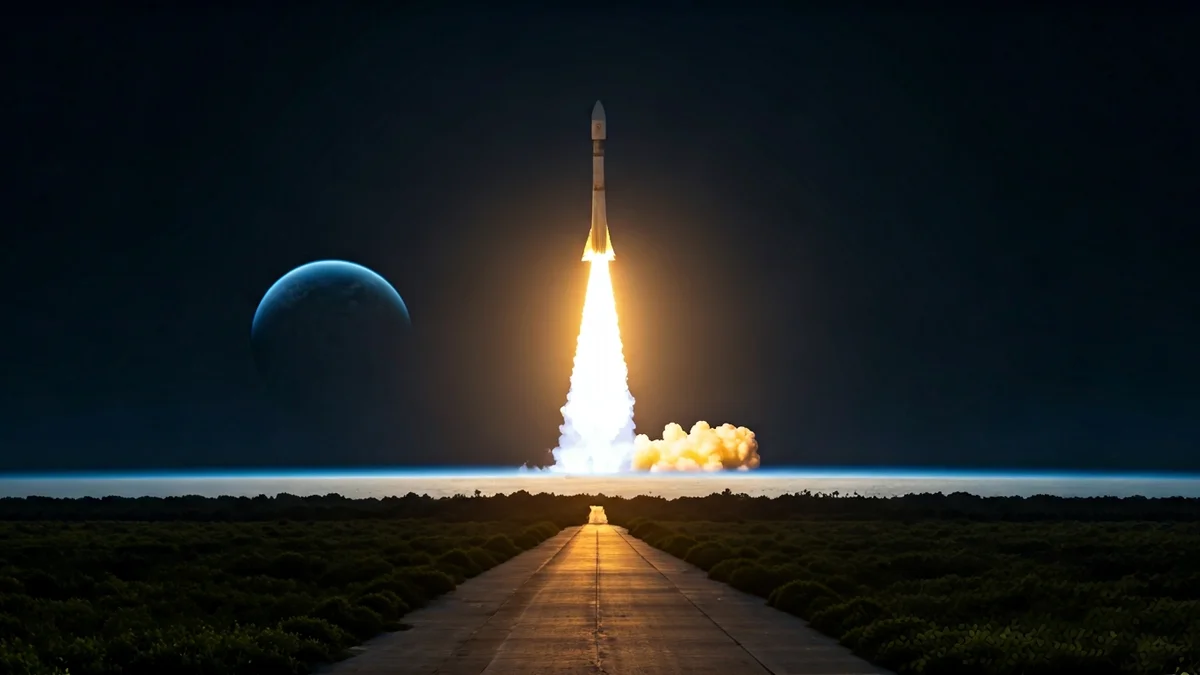
The launch of Artemis II is scheduled for this Wednesday afternoon from the coast of Florida, coinciding with early morning in Spain. The launch window is two hours, subject to favorable weather conditions. This mission is another step in the space race, with the goal of returning astronauts to the lunar surface, presumably in 2027, closing a cycle that began in 1972.