This initiative, promoted by the Government of Salvador Illa, is seen as a turning point for the region, which for years has suffered from healthcare coverage inferior to what is necessary due to its geographical characteristics, with an extensive territory, dispersed population centers, and considerable distances.
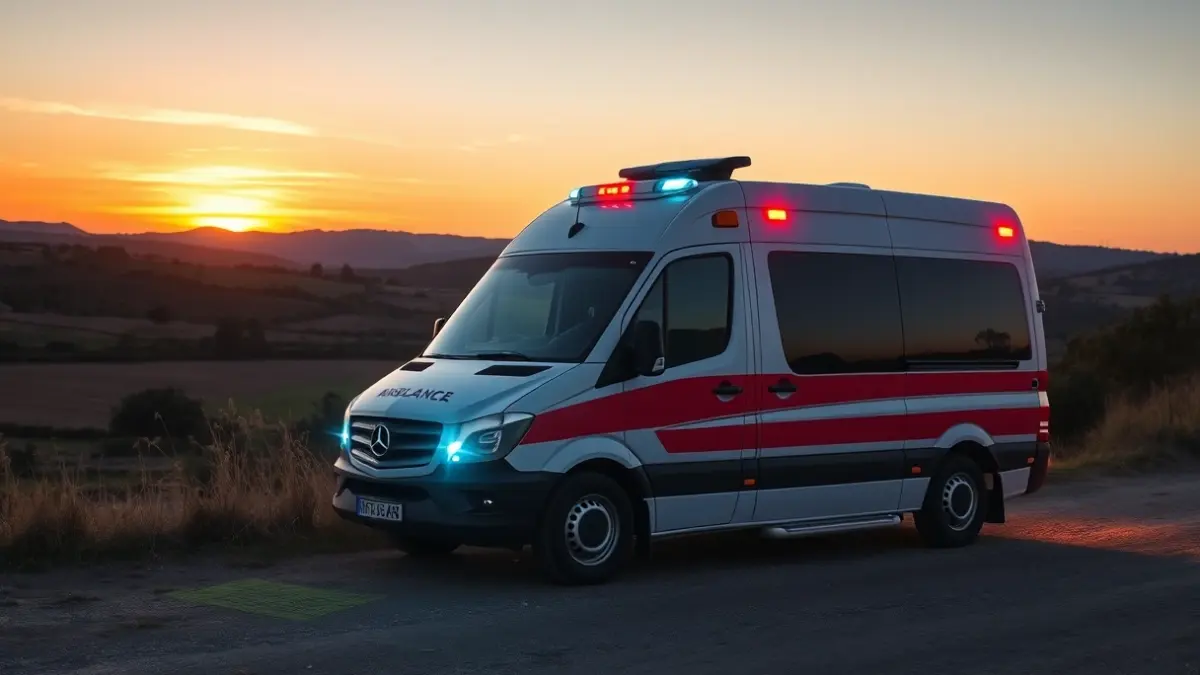
The figures from the new contract are compelling: the number of urgent ambulances increases from 21 to 25, non-urgent vehicles rise from 50 to 86, and the professional staff grows from 313 to 346. This improvement is accompanied by an investment of 129 million euros over the next five years.
Bases and teams are being reorganized to guarantee more equitable and efficient coverage, with 24-hour basic life support presence in key municipalities such as Tortosa, Amposta, Deltebre, Móra d’Ebre, Roquetes or La Ràpita, among others.
Beyond the quantitative increase, the contract foresees a reorganization of bases and teams to ensure more efficient coverage. 24-hour basic life support presence will be guaranteed in locations such as Tortosa, Amposta, Deltebre, Móra d'Ebre, Roquetes, and La Ràpita. Additionally, advanced life support resources will be expanded, and modern technology, such as ultrasounds and rapid analytical systems, will be incorporated to improve diagnosis during transfers.
This commitment to SEM in Terres de l'Ebre is part of a broader reform of healthcare transport in Catalonia, with a global investment of 2,000 million euros. The objective is to adapt resources to the needs of each territory, ensuring quality emergency healthcare that is faster and has greater assistance capacity for all citizens.