The specimens, which arrived from France and underwent an adaptation period at the IRTA de la Ràpita aquaculture center, have joined previous releases. Project coordinator Marc Ordeix highlighted the “correct” behavior of the released fish, which have adapted well to the deltaic marine environment of the Ebro.
“"When we released them, we saw that they were heading towards the final stretch of the river; some have gone to the sea, around the Delta, others have stayed in the estuary (at the confluence). It is normal for them to move between the estuary and the sea when they are this age, between one and a half and three years old."
The reintroduction of the sturgeon, which disappeared from the Ebro in the 1970s, is a very slow process. Ordeix noted that it will take nearly two decades (between 15 and 20 years) for these fish to swim upstream to reproduce. Due to breeding difficulties in captivity in France, the fourth release is postponed until 2027.
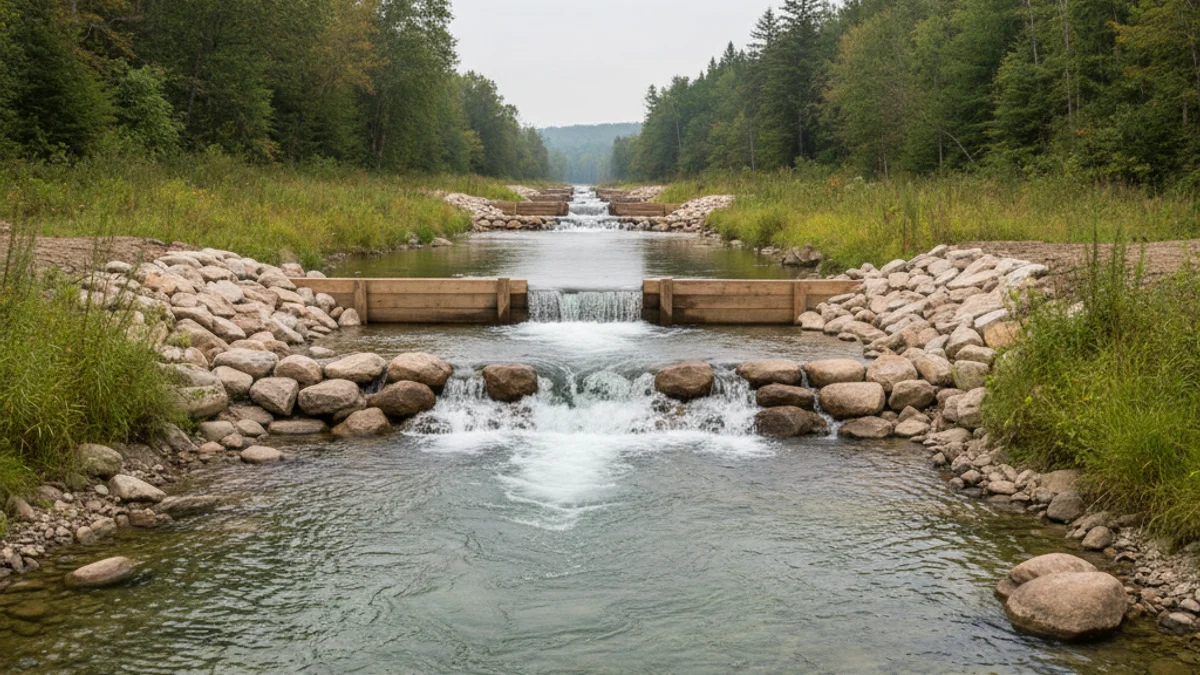
The Life MigratoEbre project, which constructed fish ramps at the weirs of Xerta and Ascó to eliminate physical barriers, has had an additional success. The recovery of the allis shad (saboga), another migratory species once abundant in the lower Ebro, has been detected reproducing upstream.
“"This is excellent news. It is a species that will recover over the years and will have an importance, we don't know if economic, but at least social and environmental, which is fundamental."
Despite the positive results, the CERM coordinator expressed concern about the potential impact of predators such as the catfish (silur), an invasive species. A lack of funding has prevented the installation of detectors on the released sturgeon that would indicate if they have been eaten, a key technology for assessing survival rates.