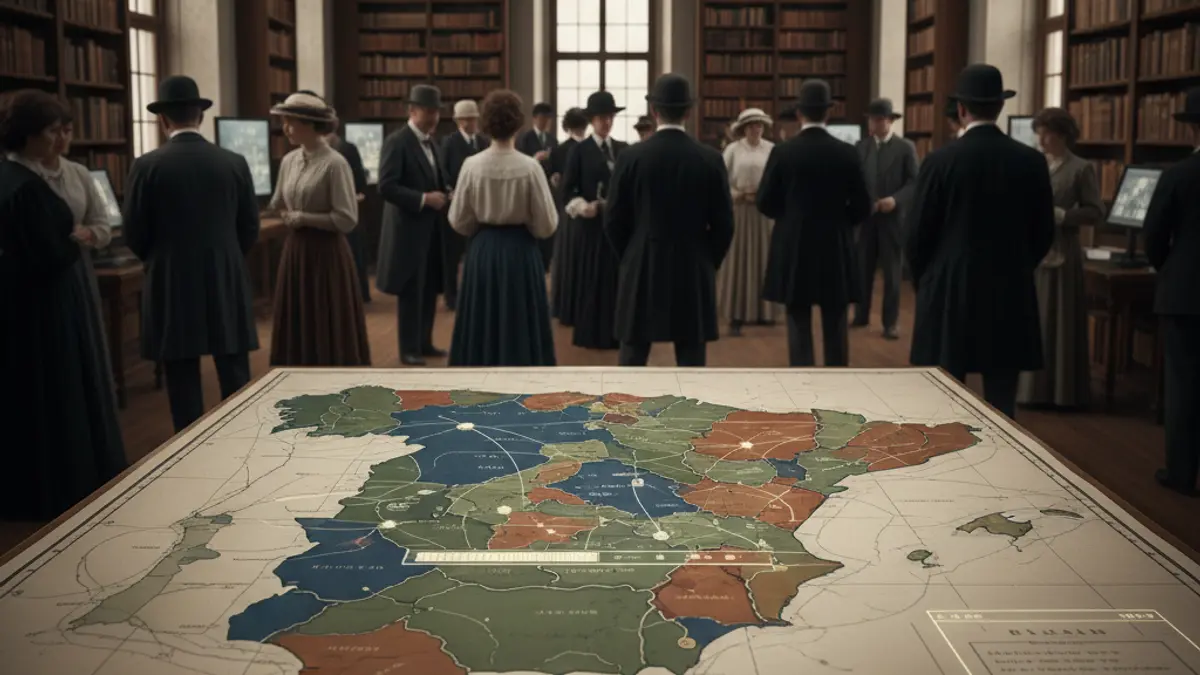
This project, the result of six years of research, aims to digitize and make accessible the data from the three legislative elections held during the Second Spanish Republic: those of April 1931, November 1933, and February 1936. The atlas, which already includes data from 1936, plans to incorporate 1933 data in June and 1931 data after the summer.
The platform offers an interactive map that allows users to consult electoral results municipality by municipality, facilitating the comparison of political changes between regions, coalitions, and different periods. Furthermore, the tool is open access and allows file downloads, with the research team intending to publish complementary materials in the future.
A notable example of the data already available is the electoral behavior in Baix Empordà during the 1936 elections. In this region, the Left Coalition secured the majority of votes in 27 out of the 43 municipalities that comprised it at the time. This coalition included formations such as Acción Nacionalista Vasca, Frente Popular de Izquierdas, Esquerra Valenciana, Front d'Esquerres de Catalunya, Izquierda Republicana, and the Partido Socialista Obrero Español, among others.
Conversely, the Right Coalition won in 16 municipalities in the region, with parties like Bloque Nacional, Confederación Española de Derechas Autónomas, Comunión Tradicionalista, and Front Català d'Ordre. The Left Coalition exceeded 70% support in towns such as Sant Joan de Palamós (85.6%), Calonge (80%), and Palamós (75%), while the Right Coalition achieved similar results in Rupià (76.9%), Parlavà (72.5%), and Ultramort (70.8%).