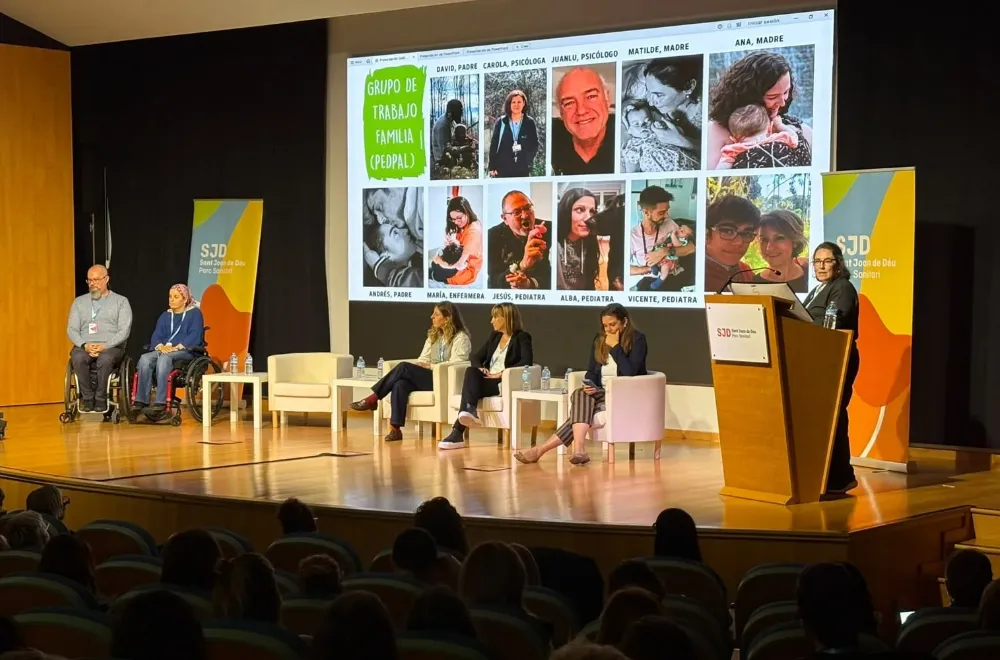
The idea for RCParvulari® emerged over a decade ago when a family doctor, David Pedrazas, was asked by his child about discussing health at school. Pedrazas, now working at CAP Gòtic in Barcelona and a researcher at IDIAPJGol, developed this theoretical-practical methodology to teach young children how to react to loss of consciousness.
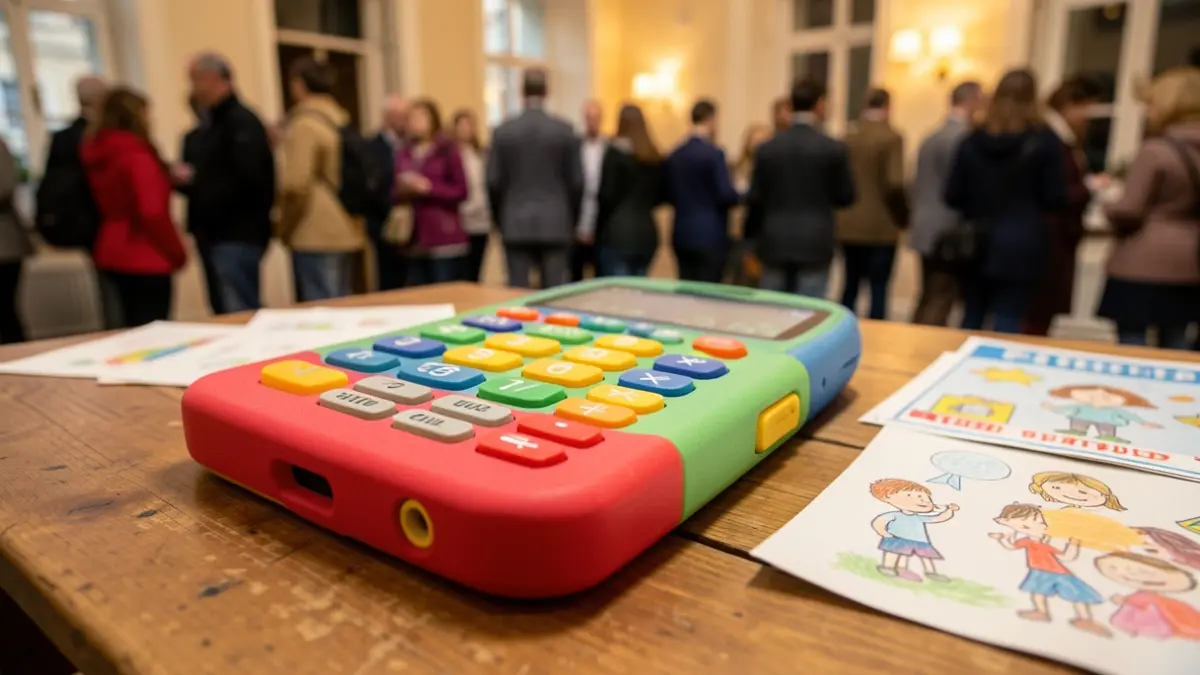
The training, lasting about 45 minutes, uses teaching materials such as giant EVA foam toy mobile phones, an educational game (auca), posters, and a song to convey the main message: stay calm, alert an adult, and call 112. The goal is not to teach resuscitation techniques, but to activate professional help.
The project involved collaboration from healthcare professionals, teachers, parents, and students, including the doctor's daughter, Maria, who drew the first sketch of the giant mobile phone. The project's song, adapted from "Había una vez un barquito chiquitito," was created by the family band Mimaluda.
A randomized clinical trial conducted between 2018 and 2019 with 1,327 P5 children from 41 centers in Baix Llobregat evaluated the methodology's effectiveness. The results, published in Anales de Pediatría, show that children who received the theoretical-practical training significantly improved in recognizing emergencies and remembering 112 and the mnemonic, both immediately and long-term.
Initially, some school administrations and families were hesitant, fearing that discussing basic life support with very young children might cause harm or trauma. However, upon explaining it was a scientific project approved by an ethics committee, trust increased, and the trial was well-received with no reported negative effects.
Designing an inclusive and visual questionnaire was another challenge, adapted for children who cannot yet read. The RCParvulari® methodology is available to everyone, aiming for its regular application in schools, demonstrating how a clinical idea can become a useful and low-cost intervention.
Pedrazas emphasizes that the training brings primary care research closer to the public and that, despite the low incidence of out-of-hospital cardiac arrests, the impact of saving a life is enormous. A documented case shows how a trained child remembered to call 112 when someone fainted during a school party.