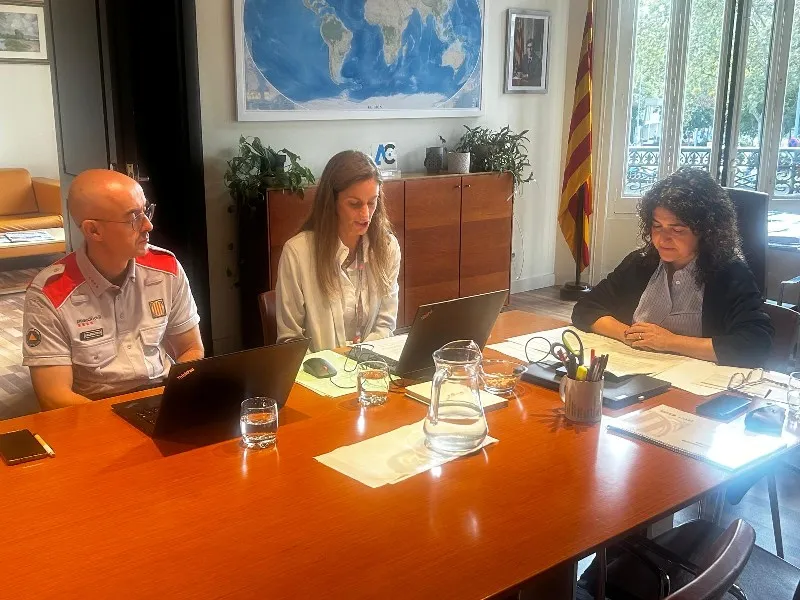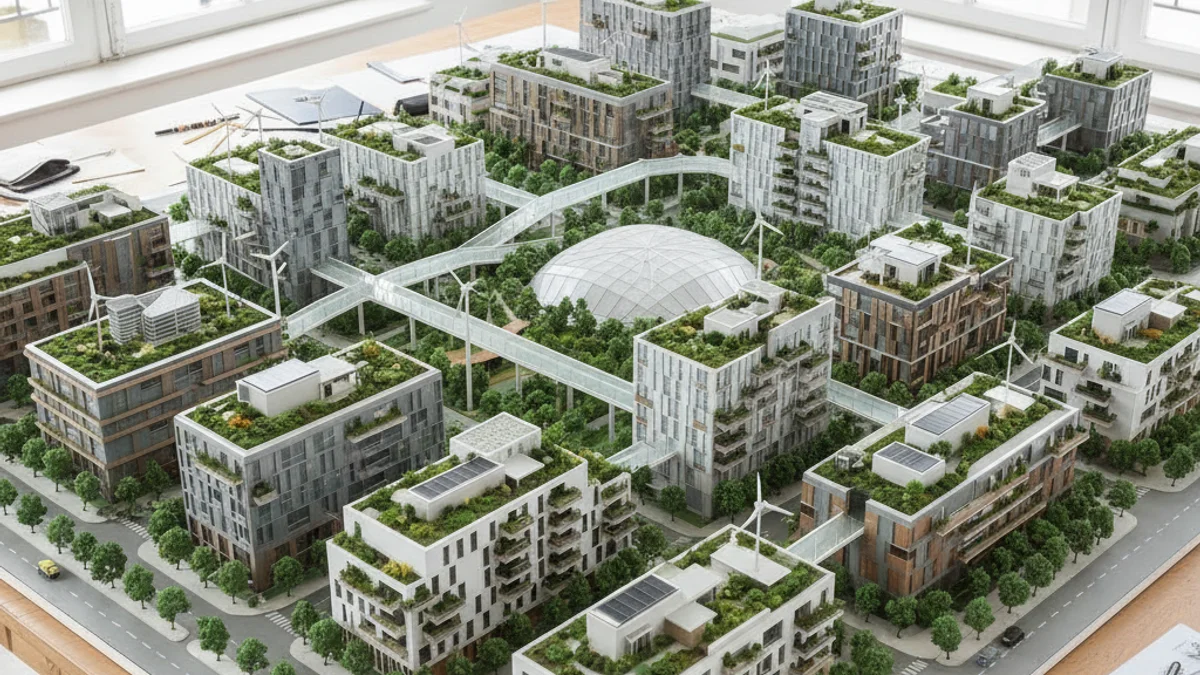
The Metropolitan Council of the Barcelona Metropolitan Area (AMB) reached a milestone this February 10, 2026, with the second initial approval of the Metropolitan Urban Master Plan (PDUM). This framework will guide urban development for the next 30 years, replacing the outdated 1976 General Metropolitan Plan.
“"Social cohesion is only achieved through territorial cohesion, and that is precisely the function of the PDUM."
The plan projects the construction of approximately 220,000 new homes to accommodate an expected population growth of 184,000 residents. The PDUM ensures that over 10% of these primary residences will be affordable, addressing the housing crisis in Barcelona and its surrounding municipalities.
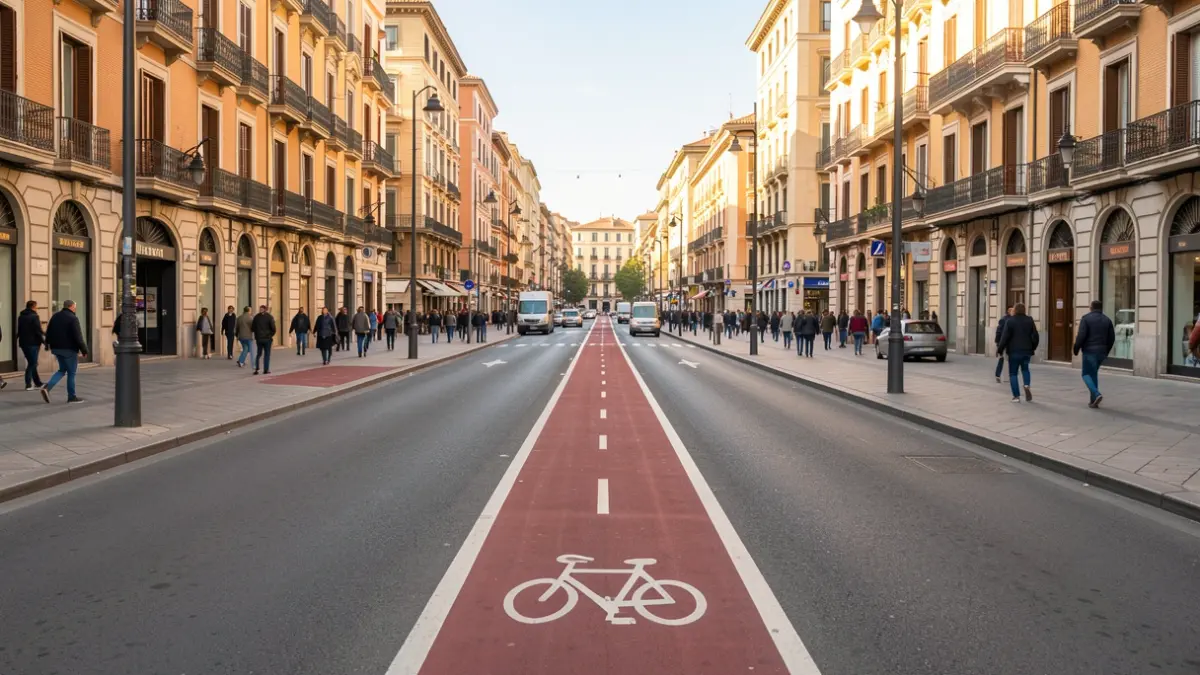
Regarding mobility, the plan includes expanding metropolitan avenues by 240 kilometers and establishing nearly 1,000 kilometers of green axes. These measures aim to reduce greenhouse gas emissions by 24% by prioritizing walking, cycling, and public transport over motorized vehicles.
Following the review of over 5,000 public suggestions since March 2023, the document will now await final ratification by the Government of Catalonia to become legally binding.