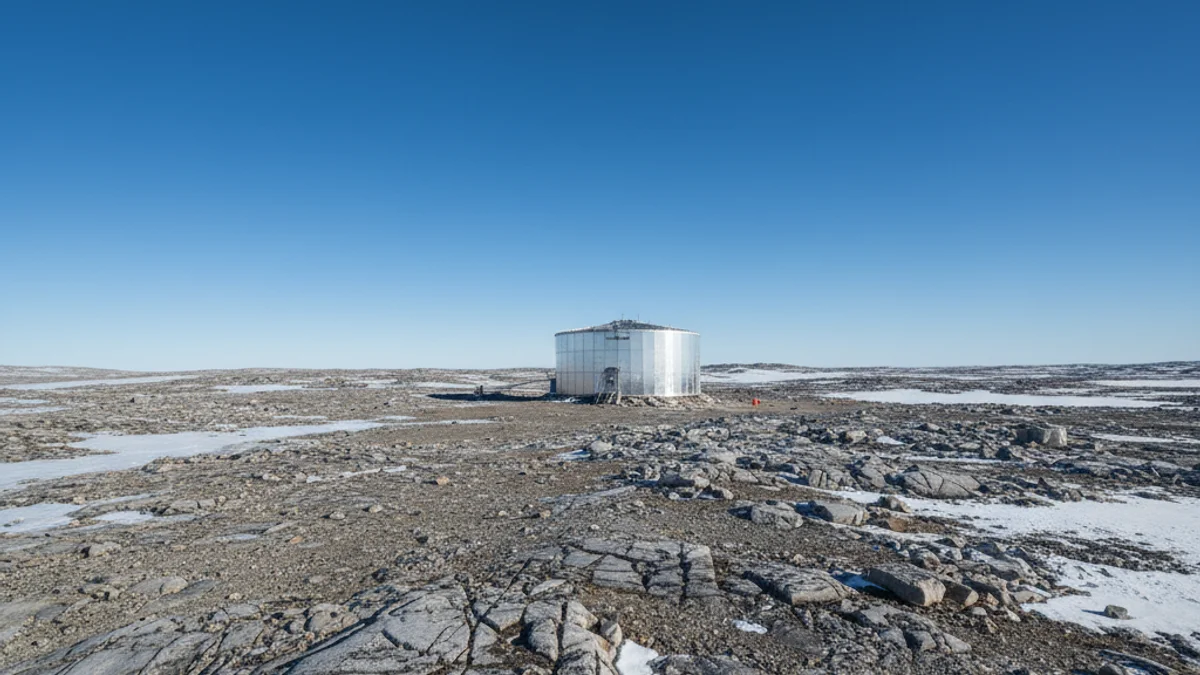
Scientist Anna Sabaté, born in Cunit in 1988, is one of seven researchers chosen to travel to Devon Island in the Arctic. This mission, organized by the Hypatia group, aims to conduct tests in extreme conditions that mimic those found on Mars.
Sabaté, an aerospace engineer and PhD in computational physics, will serve as the expedition's engineer. Her work includes mapping the area with drones and creating a localization system that does not rely on satellites, a key technology for future planetary missions.
“"I want girls and young women to see that if they have a dream, it can come true. Even becoming an astronaut. If you want to do something, do it."
The team will stay at the Flashline Mars Arctic Research Station for two weeks in the summer of 2027. This is the first Arctic mission composed entirely of female scientists, aiming to inspire young women to pursue STEM careers.
Beyond engineering, the mission will study cellular aging and the psychological effects of isolation. Sabaté, currently based in Singapore, emphasizes that space research drives progress on Earth, such as water recycling systems and remote agriculture.