The investigation, which included X-ray tests at the Centre Mèdic Quirúrgic (CMQ) de Reus and two years of documentary research, disproved the initial belief that the figures dated from 1827. Experts estimate that the busts were created between 1650 and 1670.
“"It is a great source of pride and great satisfaction"
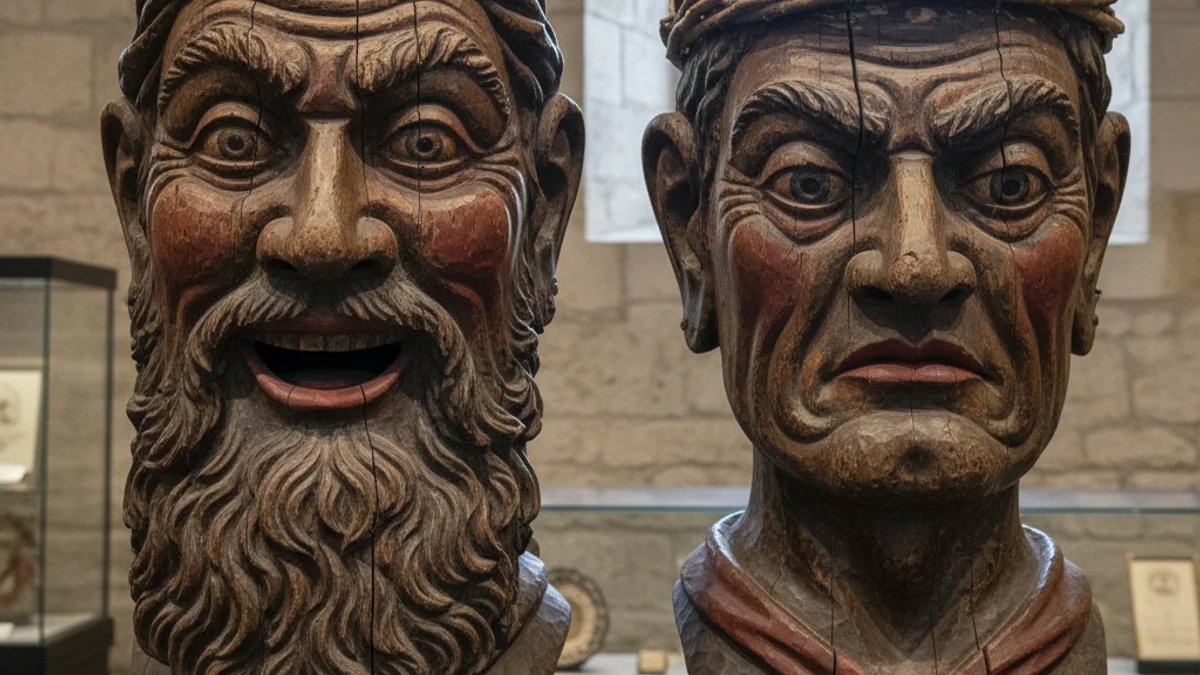
The study, promoted by Taller Avall, concludes that the busts of Chabrán and Llúcia were originally religious figures, specifically two of the four co-patrons that were part of the altarpiece of the church of Sant Julià, a work by Domènec Rovira el Major.
“"We would be looking at religious figures repurposed as giants, the oldest preserved in Europe"
The research findings were presented to the public this Saturday at the municipal church. From now on, the old giants will be permanently displayed in the showcases of the Casa de la Cultura de L'Arboç, where their European-scale heritage value will be explained.